Trump Official Lutnick Stalled Crackdown On Nvidia Chip Diversions To China: Report
Source Entity
NDTV News Search Records Found 1000
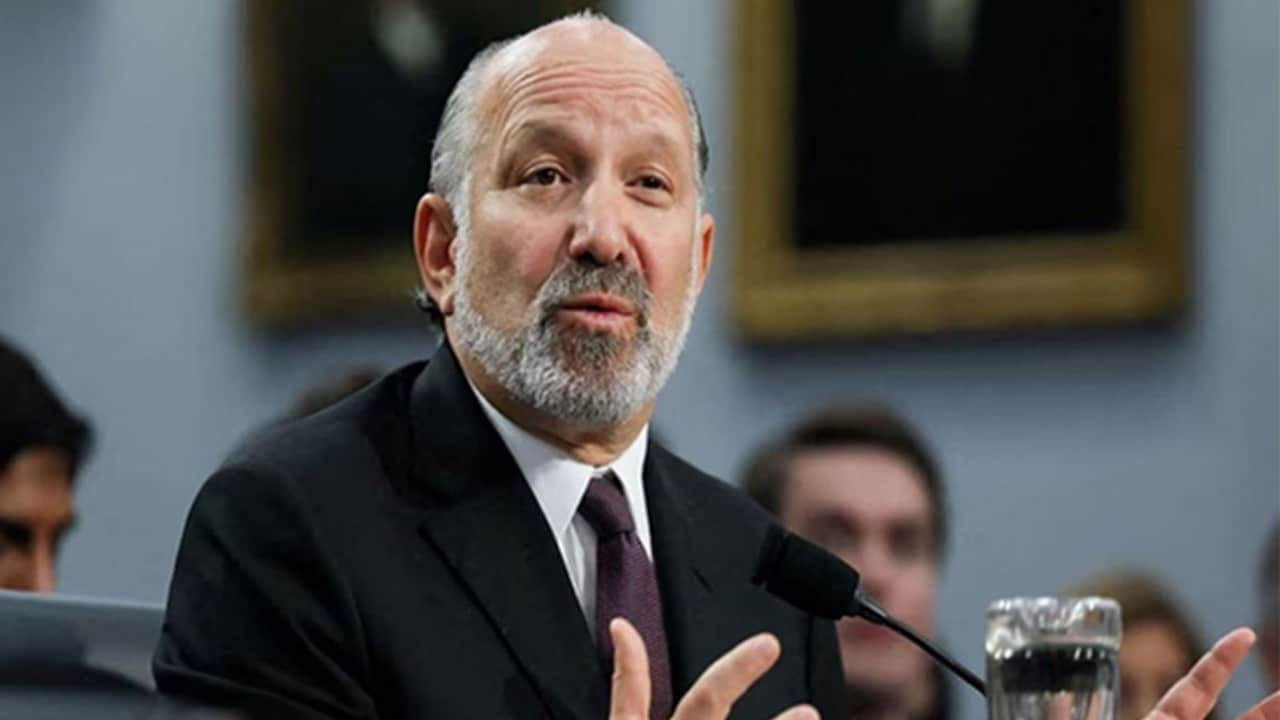
Nvidia CEO Jensen Huang has admitted to an affair with Alice Huang, a former executive at Megaspeed, amid allegations that she is a Chinese intelligence operative. Nvidia’s board has launched an independent investigation as U.S. lawmakers demand a briefing on the security implications for the company.
The Nvidia Security Crisis: A CEO’s Personal Scandal Meets Geopolitical Espionage
The Intersection of Personal Conduct and National Security
In a development that has sent shockwaves through the semiconductor industry, Nvidia CEO Jensen Huang has publicly admitted to an affair with Alice Huang, a former executive at the Singapore-based chip company Megaspeed. This personal disclosure, delivered to Nvidia staff via email, follows explosive reports from the Financial Times and The New York Times suggesting that U.S. intelligence agencies identify Alice Huang as an asset recruited by China’s Ministry of State Security. The convergence of a high-profile executive’s personal life with allegations of foreign espionage represents a critical inflection point for one of the world's most valuable technology firms.
The Espionage Allegations
At the core of the investigation is the claim that Alice Huang served as a conduit for sensitive information to Beijing. U.S. government memos circulating among policymakers suggest that her relationship with the Nvidia CEO was not merely personal but a targeted operation by Chinese intelligence to gain insights into Nvidia’s proprietary technology and anti-espionage safeguards. As the primary provider of the hardware fueling the global AI revolution, Nvidia holds data and intellectual property that are considered vital to U.S. national security interests, making the firm a primary target for foreign intelligence services.
Institutional Response and Accountability
Nvidia’s board of directors has responded by launching an independent investigation into the matter. This move is designed to determine the extent of the security breach and whether any trade secrets or strategic corporate information were compromised during the course of the affair. Jensen Huang’s public apology, in which he acknowledged his infidelity and his failure to meet the responsibilities expected of his position, serves as a formal recognition of the gravity of the situation, yet it leaves open the question of whether his leadership position remains tenable in the eyes of shareholders and federal regulators.
Congressional Scrutiny and Regulatory Pressure
Beyond the internal probe, the situation has attracted immediate attention from Capitol Hill. Three House Republican chairmen have requested a closed-door briefing from Jensen Huang, scheduled for November 18. The focus of this inquiry will likely center on Nvidia’s internal security protocols and the vulnerability of their supply chain—specifically regarding their relationship with Megaspeed. Lawmakers are seeking to understand if the company’s existing safeguards are sufficient to protect American technological dominance from the influence of state-sponsored actors.
Future Implications for Tech Governance
This incident underscores the increasing difficulty for C-suite executives in the technology sector to separate their private lives from the geopolitical stakes of their companies. As Nvidia continues to navigate a complex regulatory environment characterized by strict U.S. export controls on high-end chips to China, any suggestion of compromised internal security could have lasting consequences on their market standing and government relations. The board's findings will likely set a new precedent for how major tech corporations manage executive conduct and security vetting in an era of heightened global competition.
Multiple Citing Sources
Verification Required?