Jensen Huang’s affair with alleged Chinese spy: What it means for Nvidia and global AI race
Source Entity
Karan Mahadik
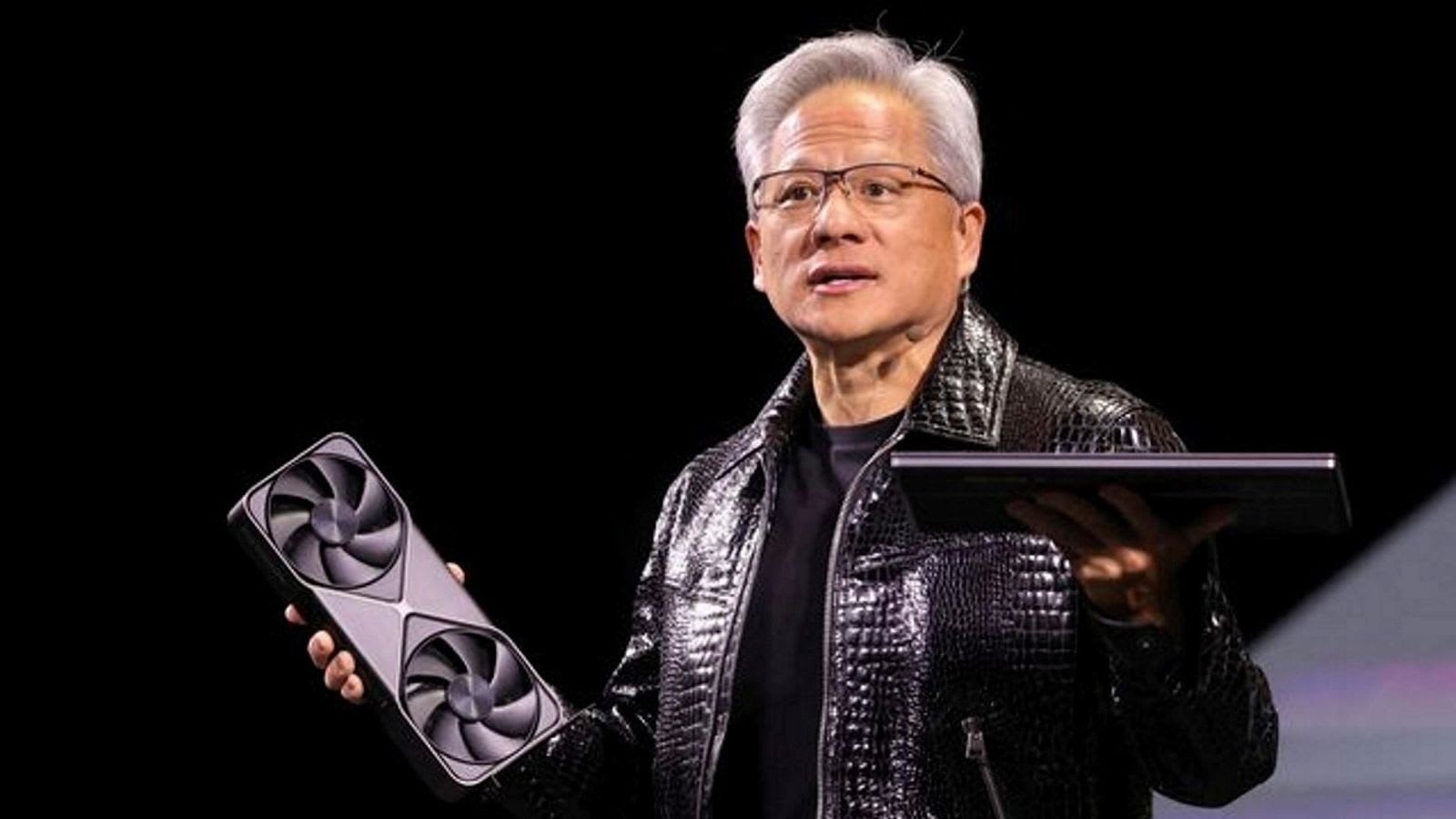
Nvidia CEO Jensen Huang has confirmed an affair with Alice Huang, a former Megaspeed executive suspected of being a Chinese intelligence asset. Nvidia’s board has launched an independent investigation, while U.S. lawmakers are demanding a briefing on potential national security risks.
The Intersection of Personal Conduct and National Security
Nvidia, a cornerstone of the global semiconductor industry and a primary driver of the artificial intelligence revolution, is currently navigating a severe corporate and national security crisis. CEO Jensen Huang has publicly confirmed an extramarital affair with Alice Huang, a former executive at the Singapore-based firm Megaspeed. This personal disclosure has transcended private life, becoming a matter of intense scrutiny by U.S. intelligence agencies and federal lawmakers due to allegations that Alice Huang was recruited by China’s Ministry of State Security to extract sensitive information from the Nvidia leader.
The Intelligence Allegations
According to reports from the Financial Times and The New York Times, a U.S. government memo identified Alice Huang as a potential intelligence asset. The central concern for national security officials is that the relationship served as a vector for espionage, potentially compromising proprietary information regarding Nvidia’s advanced chip architecture and anti-espionage safeguards. Given Nvidia's critical role in the U.S. technology supply chain and its deep involvement in AI development, any breach of its leadership's security clearance or personal data environment is viewed as a high-stakes vulnerability.
Corporate Governance and Board Response
In response to the mounting pressure, Nvidia’s board of directors has initiated an independent investigation into the matter. Jensen Huang has issued a formal apology to his employees and family, acknowledging the affair and admitting that his actions fell short of the responsibilities required of his position. The internal inquiry will likely focus on whether any corporate assets, confidential data, or strategic trade secrets were shared with or exposed to Alice Huang during the duration of the relationship.
Congressional Scrutiny and Legislative Oversight
Beyond the boardroom, the situation has drawn the attention of the U.S. Congress. Three House Republican chairmen have formally requested a closed-door briefing from Jensen Huang, scheduled for November 18. The primary objective of this session is to assess the extent of Nvidia's ties to the Singapore-based Megaspeed and to evaluate the robustness of the company's existing anti-espionage protocols. Lawmakers are tasked with determining if this relationship constitutes a failure in corporate risk management that threatens American technological hegemony.
Broader Geopolitical Implications
This incident arrives at a time of heightened tension between the United States and China regarding semiconductor dominance. As the U.S. government continues to enforce export controls on high-end chips, the industry has become a primary target for foreign intelligence operations. The focus on Nvidia is not merely a corporate scandal; it highlights the strategic necessity for tech giants to maintain rigorous vetting and security standards at the highest levels of executive leadership to prevent the compromise of critical intellectual property.
Future Trends in Executive Security
Looking forward, this event is likely to reshape how tech firms handle executive security and conflict-of-interest disclosures. Boards of directors will face increased pressure to implement more stringent background checks and security briefings for CEOs, particularly those whose companies are essential to national security. The outcome of the Nvidia investigation will likely set a precedent for how corporations manage the intersection of personal misconduct and potential geopolitical espionage in the era of strategic technological competition.
Multiple Citing Sources