Nvidia stock falls 7% as investors await Jensen Huang’s fate
Source Entity
US Top News and Analysis
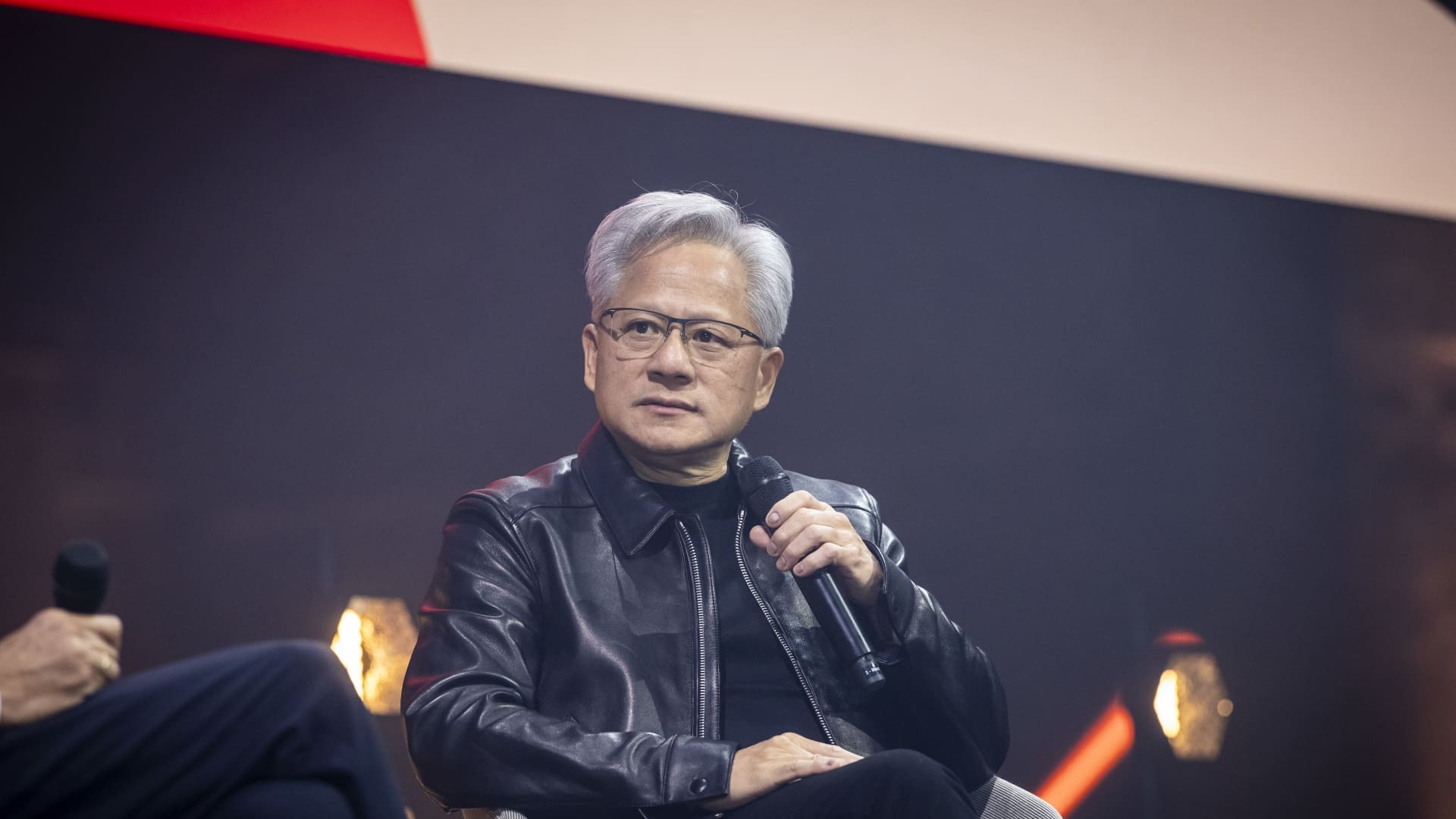
Nvidia CEO Jensen Huang has admitted to an extramarital affair with Alice Huang, a former executive at Megaspeed suspected of being a Chinese intelligence asset. Nvidia's board has launched an independent investigation, while U.S. lawmakers are demanding a briefing regarding potential national security risks.
The Intersection of Personal Conduct and National Security
Nvidia, the titan of the global semiconductor industry, is currently navigating a profound corporate governance crisis. CEO Jensen Huang has confirmed an extramarital affair with Alice Huang, a former executive at the Singapore-based firm Megaspeed. This revelation has transcended the realm of personal scandal, as U.S. intelligence agencies and policymakers have identified Alice Huang as a suspected recruit of China’s Ministry of State Security. The convergence of a high-profile executive's private life with potential foreign espionage creates a complex challenge for one of the world's most vital technology companies.
The Intelligence Allegations
According to reports circulating among U.S. policymakers, the relationship between the Nvidia CEO and Alice Huang was allegedly leveraged as a conduit for industrial espionage. Intelligence assessments suggest that the Ministry of State Security targeted Jensen Huang through this romantic connection to gain insights into Nvidia’s proprietary technology and security protocols. The involvement of Megaspeed, an Nvidia customer, adds a layer of commercial vulnerability, raising concerns about whether sensitive intellectual property or strategic data was compromised during the duration of the affair.
Corporate and Legislative Scrutiny
In response to the mounting pressure, Nvidia’s board of directors has initiated an independent investigation to determine the extent of the security breach and whether the CEO’s conduct violated corporate policies. Concurrently, the legislative branch has taken a proactive stance. Three House Republican chairmen have formally requested a closed-door briefing from Jensen Huang, scheduled for November 18. This session is intended to address the specific nature of the ties to Megaspeed and the efficacy of Nvidia’s current anti-espionage safeguards.
The Admission and Accountability
Jensen Huang addressed the situation directly in an email to Nvidia employees, admitting to the affair and offering an apology for his personal failings. He explicitly stated that he had fallen short of his responsibilities to the company, his family, and his colleagues. By acknowledging the lapse in judgment, Huang has attempted to mitigate the damage to his personal reputation, yet the institutional damage—specifically regarding the security of Nvidia’s supply chain and R&D—remains a subject of intense focus for the board and federal regulators.
Broader Strategic Implications
This incident highlights the heightened vulnerability of C-suite executives in the semiconductor sector to foreign intelligence operations. As Nvidia continues to lead the global AI and chip manufacturing markets, the company remains a primary target for state-sponsored intellectual property theft. The outcome of the independent investigation and the subsequent congressional briefing will likely set a precedent for how high-tech firms manage executive security protocols and the vetting of external partners in an era of heightened geopolitical tensions between the United States and China.
Future Trends and Conclusion
The situation underscores a growing trend where corporate security is no longer confined to digital firewalls but must extend to the personal conduct of those with access to critical national infrastructure. Moving forward, Nvidia will need to demonstrate, both to its shareholders and the U.S. government, that it has successfully purged any potential vulnerabilities introduced by this relationship. The coming weeks will be critical in determining whether the company can maintain its market position while navigating this significant internal and external scrutiny.
Multiple Citing Sources