Nvidia hires law firm Wachtell Lipton to lead Jensen Huang affair probe
Source Entity
US Top News and Analysis
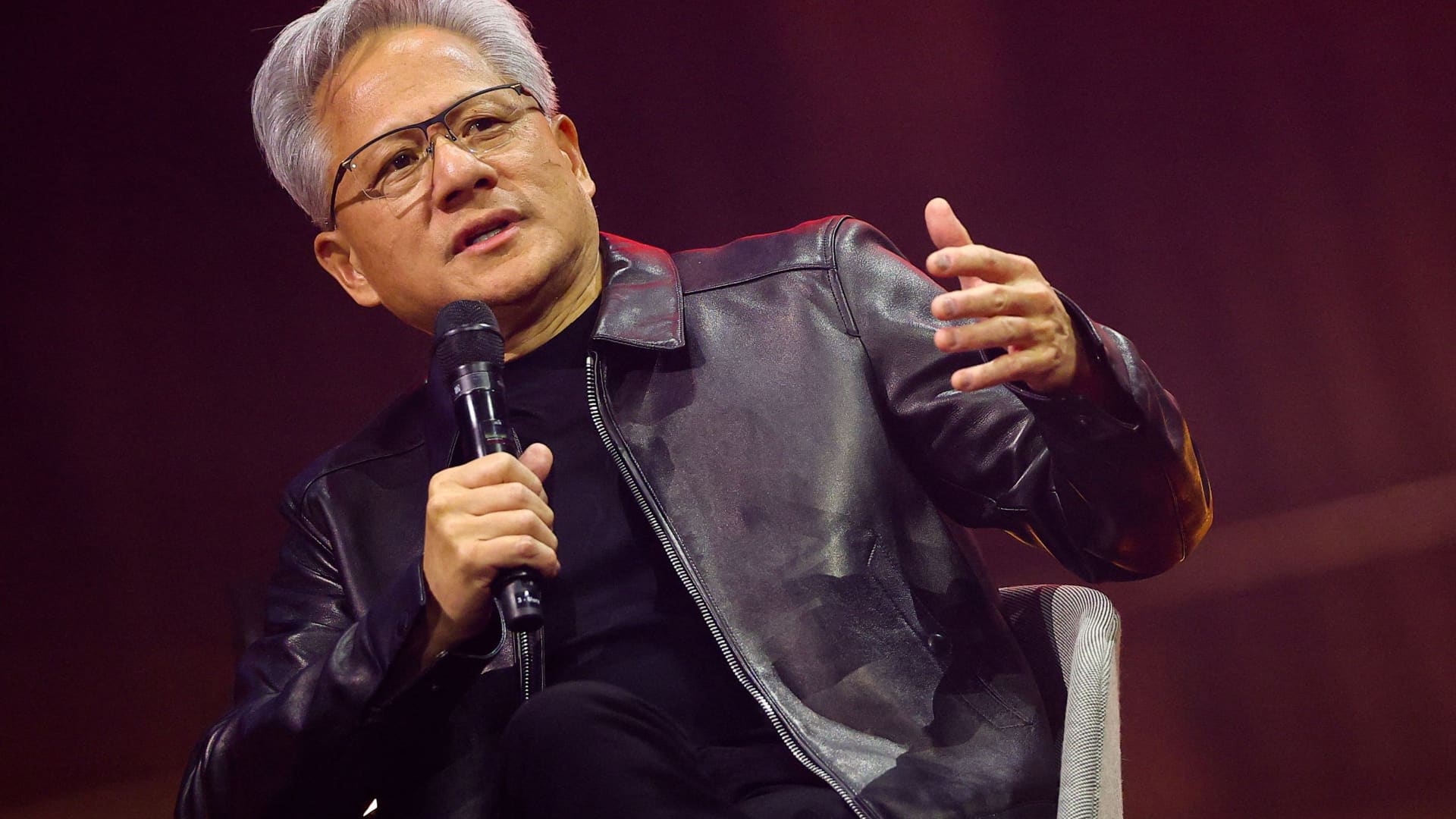
Nvidia CEO Jensen Huang has confirmed an affair with Alice Huang, a former executive at Megaspeed suspected of espionage for China. Nvidia's board has launched an independent investigation as U.S. lawmakers demand a briefing on potential security risks.
The Intersection of Personal Conduct and National Security
The revelation that Nvidia CEO Jensen Huang engaged in a romantic relationship with Alice Huang—a former executive at the Singapore-based firm Megaspeed—has triggered a significant corporate and national security crisis. Reports confirmed by a memo circulating among U.S. policymakers suggest that Alice Huang was allegedly recruited by China’s Ministry of State Security to target the CEO of one of the world's most critical technology companies. This intersection of personal infidelity and geopolitical espionage places Nvidia at the center of a high-stakes intelligence investigation.
The Corporate Investigation
Following the surfacing of these allegations, Nvidia’s board of directors has officially launched an independent investigation. Jensen Huang, in a candid email sent to company staff, admitted to the affair and expressed deep remorse, stating, "I was unfaithful to my wife... I am deeply sorry." By acknowledging his failure to uphold his responsibilities to the company, Huang has effectively shifted the focus from a personal matter to a formal corporate governance issue, necessitating an internal audit of how this relationship may have impacted the integrity of Nvidia’s operations.
Geopolitical Implications and Espionage Concerns
At the heart of the government's concern is the potential for unauthorized intelligence gathering. Alice Huang’s connection to Megaspeed, an Nvidia customer, provides a plausible vector for the extraction of sensitive technological data. Given the ongoing trade tensions between the United States and China, specifically regarding the export of advanced semiconductors and AI hardware, any potential breach involving a key industry leader is viewed as a significant threat to U.S. national security interests.
Congressional Scrutiny
Beyond internal investigations, the situation has drawn the attention of the U.S. government. Three House Republican chairmen have requested a closed-door briefing with Jensen Huang, scheduled for November 18. The primary objective of this meeting is to scrutinize Nvidia’s current anti-espionage safeguards and determine if the relationship resulted in any compromise of proprietary technology or intellectual property that could benefit Beijing’s strategic objectives.
Broader Industry Trends
This incident highlights a growing trend of foreign intelligence services targeting executives within critical technology sectors. As semiconductor leadership becomes synonymous with global economic and military power, the personal lives of CEOs are increasingly being treated as potential vulnerabilities. This case serves as a stark reminder of the rigorous security protocols required at the executive level to prevent industrial espionage and protect the supply chain of essential technologies.
Conclusion
As the independent investigation proceeds and the scheduled congressional briefing approaches, Nvidia faces a period of intense instability. The company must now balance the need for transparency with its duty to protect trade secrets. While the personal fallout for Jensen Huang is significant, the long-term impact on Nvidia’s standing in Washington and its ability to navigate the complex geopolitical landscape of the global chip industry remains to be seen.
Multiple Citing Sources