China reportedly recruited AI exec to spy on Jensen Huang
Source Entity
Jay Peters
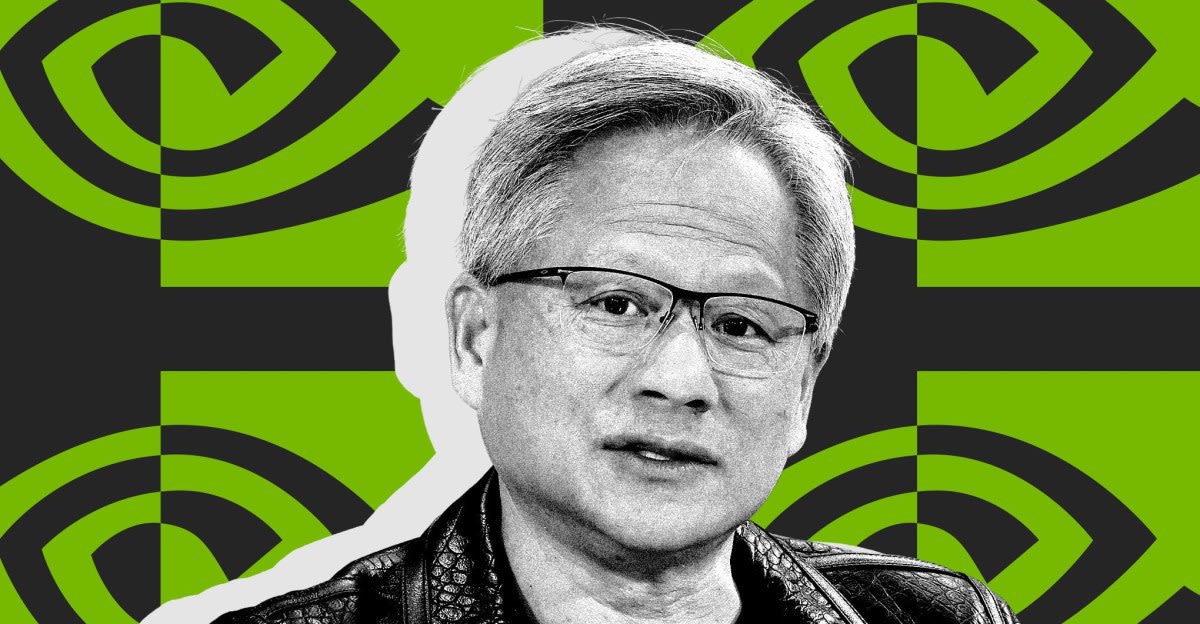
Nvidia CEO Jensen Huang has been summoned by US Congressional committees following reports of a potential espionage attempt by Chinese intelligence. Intelligence officials allege that an executive named Alice Huang was recruited by the Ministry of State Security to gain access to sensitive AI chip technology and influence Nvidia's business practices.
Congressional Scrutiny Over Nvidia Espionage Allegations
In a significant escalation of tensions between the United States technology sector and the People’s Republic of China, top Republican lawmakers have officially summoned Nvidia CEO Jensen Huang to testify before Congress. This move follows disturbing reports suggesting that Huang may have been the target of a sophisticated espionage operation orchestrated by Chinese intelligence agencies. The inquiry, led by the chairs of the House committees on China, foreign affairs, and intelligence, underscores the growing bipartisan concern regarding the security of critical American artificial intelligence infrastructure.
The Mechanics of the Alleged Espionage
Central to these allegations is the role of Alice Huang, an executive at Megaspeed—a company that maintains a business relationship with Nvidia. According to reports from The New York Times, the Chinese Ministry of State Security (MSS) allegedly recruited Alice Huang to act as a conduit for information. The primary objective of this operation was reportedly twofold: to extract proprietary data regarding American AI chip development and to exert influence over Jensen Huang to lobby for the export of high-end, advanced chips to the Chinese market, despite existing US trade restrictions.
Intelligence Assessments and Personal Ties
Adding a layer of complexity to these security concerns are reports from the Financial Times, which indicate that US intelligence officials believe the relationship between Jensen Huang and Alice Huang extended into a romantic involvement. This personal dimension is of particular interest to investigators, as such connections are frequently leveraged by state actors to compromise high-value targets. By exploiting personal relationships, intelligence agencies aim to bypass traditional corporate cybersecurity defenses that would otherwise protect sensitive technological trade secrets.
Broader National Security Implications
For the US government, the protection of AI hardware is a matter of national security. Nvidia currently stands as the global leader in the production of graphics processing units (GPUs) essential for training large-scale artificial intelligence models. Any unauthorized transfer of this technology to Chinese entities could significantly accelerate China's military and economic capabilities. Consequently, the joint committee briefing, scheduled for November 18, is intended to determine the extent of potential infiltration and assess whether Nvidia’s internal protocols were sufficient to withstand state-sponsored intelligence efforts.
Legislative Oversight and Future Trends
Representatives John Moolenaar, Brian Mast, and Rick Crawford have framed this investigation as a core component of their legislative mandate. As the geopolitical rivalry between the US and China intensifies, we can expect a broader trend of increased regulatory and congressional oversight concerning Silicon Valley executives who maintain deep ties to international markets. This case serves as a litmus test for how the US government will handle the intersection of corporate leadership and foreign influence operations moving forward.
Conclusion
The summons of Jensen Huang represents a critical juncture in the ongoing effort to secure the American technology supply chain. While the investigation remains in its early stages, the allegations highlight the extreme measures foreign intelligence services are willing to take to acquire a competitive advantage in the AI arms race. The upcoming closed-door briefing will likely determine the future regulatory landscape for how semiconductor giants manage their international partnerships and executive communications in an era of heightened geopolitical surveillance.