Op-ed: In Nvidia CEO Jensen Huang's alleged China spy scandal, there's plenty of blame to go around
Source Entity
US Top News and Analysis
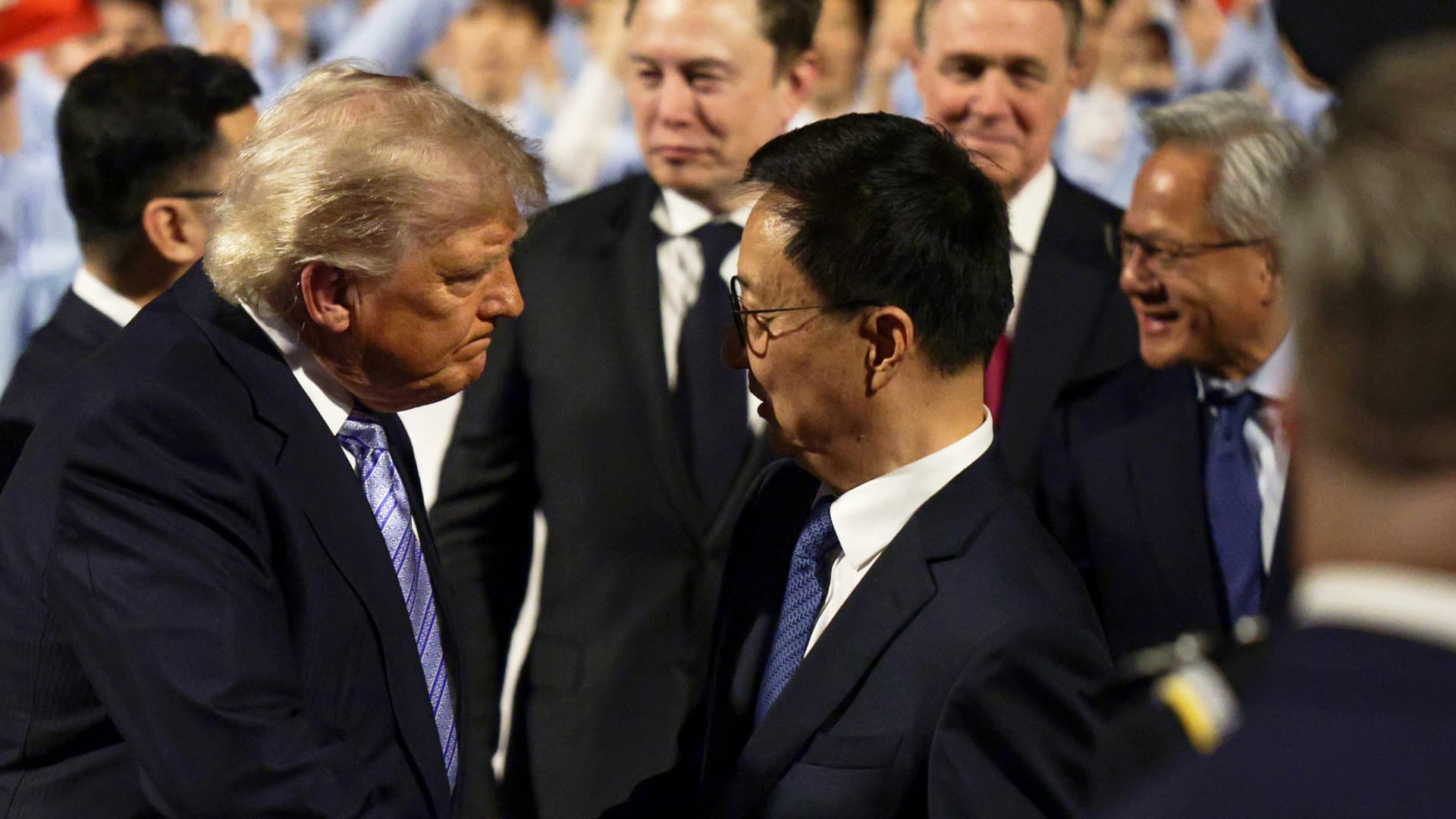
Nvidia CEO Jensen Huang has admitted to an affair with Alice Huang, a former executive at Megaspeed who is suspected by U.S. intelligence of being a Chinese spy. Nvidia’s board has launched an independent investigation as lawmakers demand a briefing on potential national security risks.
The Intersection of Personal Conduct and National Security
Nvidia, a titan in the global semiconductor industry, is currently grappling with a significant corporate crisis following reports that CEO Jensen Huang engaged in an affair with Alice Huang, a former executive at the Singapore-based firm Megaspeed. This personal matter has rapidly escalated into a national security concern, as U.S. intelligence agencies have identified Alice Huang as a potential operative recruited by China’s Ministry of State Security. The revelation has forced a public reckoning for one of the world's most influential technology leaders.
The Intelligence Allegations
According to reports circulating among U.S. policymakers and major media outlets like the Financial Times and The New York Times, the concerns center on the potential for industrial espionage. Alice Huang’s connection to Megaspeed, an Nvidia customer, provided a potential conduit for sensitive information regarding Nvidia’s technological advancements to reach Beijing. The U.S. government has expressed alarm that this romantic relationship may have compromised the company’s anti-espionage safeguards, prompting intense scrutiny from federal officials.
Corporate Governance and Accountability
In response to the mounting pressure, Nvidia’s board of directors has initiated an independent investigation into the situation. Jensen Huang has addressed the matter directly, confirming the affair in an email to Nvidia staff. In his message, he expressed profound regret, stating, “I was unfaithful to my wife. My actions hurt her and our children. There is no excuse for what I did.” He acknowledged that his conduct fell short of his responsibilities to the company, setting the stage for a difficult period of internal review.
Congressional Scrutiny
The implications of this relationship extend far beyond the boardroom. Three House Republican chairmen have formally requested a closed-door briefing with Jensen Huang, scheduled for November 18. The legislative interest is primarily focused on understanding the depth of Nvidia’s ties to Megaspeed and assessing whether the company’s security protocols were sufficiently robust to withstand potential infiltration attempts. This hearing signals that the U.S. government intends to treat this not merely as a personal scandal, but as a critical infrastructure protection issue.
Broader Implications for Global Tech
This event highlights the precarious position of technology CEOs in an era of heightened geopolitical tension. As Nvidia remains at the epicenter of the global AI and chip manufacturing sector, any perceived vulnerability in its leadership can trigger market instability and regulatory crackdowns. The investigation will likely force other major tech firms to re-evaluate their own internal security measures regarding executive relationships and external partnerships with foreign entities.
Future Trends in Executive Oversight
Looking ahead, this scandal may establish a new precedent for how corporations manage the intersection of private behavior and national security. We can expect to see more stringent disclosure requirements for executives regarding foreign contacts and a greater emphasis on vetting the associates of high-level personnel. As the investigation progresses, Nvidia’s ability to maintain its technological edge while navigating these geopolitical waters will be a primary focus for investors and government regulators alike.
Multiple Citing Sources