TechCrunch Mobility: The Nvidia backup plan for China’s self-driving industry
Source Entity
Kirsten Korosec
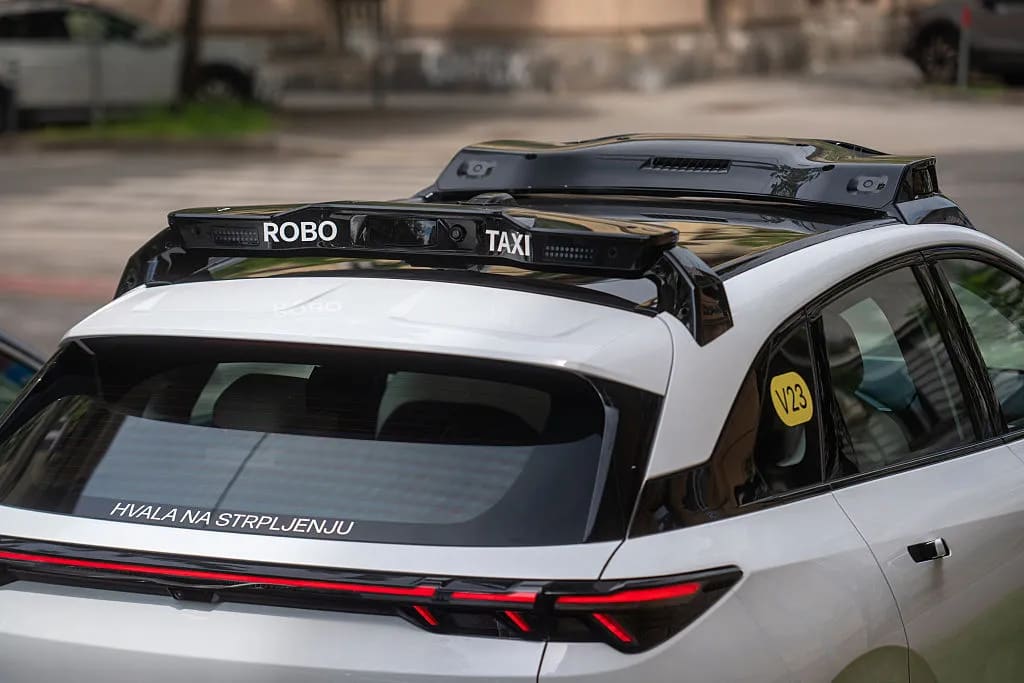
Web Summit highlighted the growing influence of Chinese tech companies in the global transportation and AI sectors. The event emphasized a shift in innovation leadership from California to China, raising questions about future industry standards.
The Shifting Landscape of Global Tech Innovation
Recent developments at the Web Summit in Portugal have brought the evolving influence of Chinese technology companies to the forefront of international discourse. As the global transportation sector becomes increasingly intertwined with artificial intelligence, the contributions of Chinese founders are being positioned as central to the future of mobility. This sentiment was underscored by Web Summit co-founder Paddy Cosgrave, who explicitly suggested that the next generation of industry 'superstars' is emerging from China rather than the traditional innovation hubs of California.
The Rise of Chinese Tech Leadership
The declaration made during the opening remarks at Web Summit serves as a milestone in the ongoing debate regarding global technological hegemony. By stating that Chinese companies are actively constructing more of our shared future than any other nation, the leadership at Web Summit has signaled a pivot in how the industry perceives the geopolitical distribution of R&D. This perspective is particularly relevant in the context of the self-driving industry, where AI integration is the primary driver of progress and regulatory competition.
Open Source and Global Collaboration
A critical component of this narrative is the strong endorsement of open source technology as a foundation for future advancements. According to the insights shared at the conference, the collaborative nature of open source platforms is being leveraged heavily by Chinese firms to accelerate their development cycles. This approach not only challenges proprietary models often associated with Silicon Valley but also suggests a broader trend where open architecture may dictate the future of autonomous vehicle standards.
Implications for the Self-Driving Industry
As the industry navigates the complexities of AI-driven mobility, the 'Nvidia backup plan' mentioned in the context hints at the strategic necessity for Chinese firms to innovate around potential supply chain constraints. The reliance on AI hardware remains a critical bottleneck for self-driving technology. Consequently, the push by Chinese companies to develop localized solutions or alternative frameworks reflects a broader necessity for autonomy in an era of tightening trade and technology export restrictions.
Looking Toward the Future
The trajectory discussed at Web Summit suggests that the future of transportation will be defined by a multi-polar innovation landscape. While traditional players continue to invest heavily in autonomous systems, the rapid scaling of Chinese enterprises—fueled by both internal support and a commitment to open source methodologies—indicates that the competitive landscape is becoming increasingly complex. Stakeholders in the mobility sector must now account for this shift as they plan their long-term R&D and supply chain strategies.
Conclusion
In summary, the observations from Web Summit highlight a transformative period for the tech industry. With China emerging as a dominant force in AI and mobility, the global community is witnessing a reconfiguration of power dynamics. As these Chinese companies continue to lean into open source and advanced AI development, their influence on the shared future of transportation will undoubtedly grow, necessitating a reevaluation of how global markets interact with and regulate these emerging technologies.