Introducing Cosmos 3 Edge
Source Entity
Hugging Face - Blog
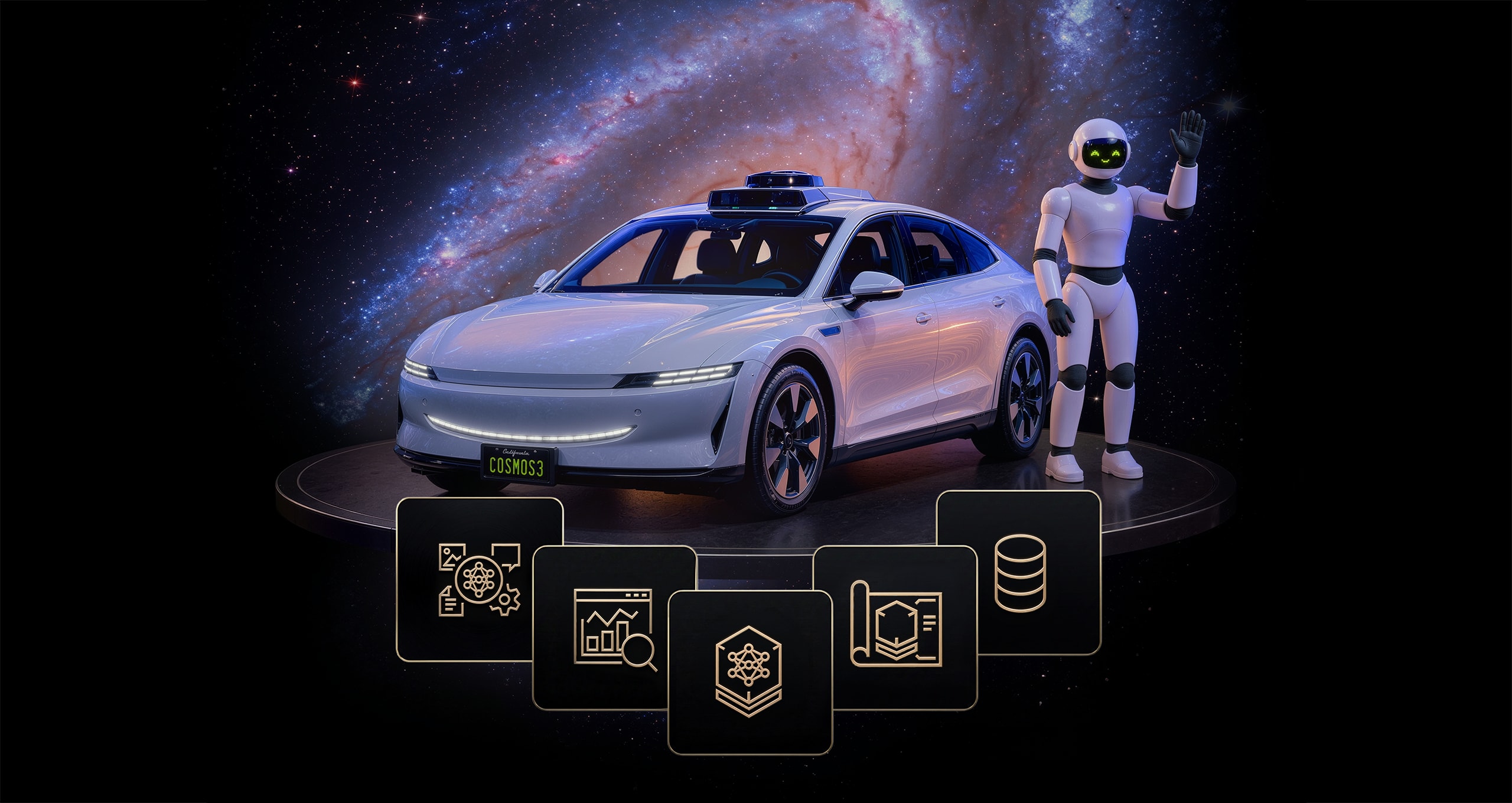
NVIDIA has released Cosmos 3 Edge, a 4-billion-parameter open world model designed for real-time robotic reasoning on edge devices. This innovation enables machines in factories and hospitals to process complex environmental data locally without needing data center connectivity.
The Evolution of Embodied AI: NVIDIA's Cosmos 3 Edge
On July 20, 2026, NVIDIA announced the release of Cosmos 3 Edge, a significant milestone in the field of physical AI. As machines increasingly integrate into complex environments like factories, warehouses, and hospitals, the requirement for localized, high-performance intelligence has become paramount. Unlike traditional AI models that rely on massive cloud infrastructure, Cosmos 3 Edge is specifically engineered to bring data center–level performance to memory-constrained systems operating at the edge.
Bridging the Gap Between Perception and Action
The fundamental challenge for physical AI systems is the "vastness" of the real world. To function effectively, robots and vision agents must go beyond simple object recognition; they must comprehend how a dynamic scene is changing, anticipate future states, and calculate the precise impact of their physical movements. Cosmos 3 Edge addresses this by providing a 4-billion-parameter open world model that enables robots to reason in real time, effectively closing the gap between sensory input and physical execution.
The Necessity of Edge Computing
In industrial and clinical settings, latency is the enemy of safety and efficiency. Relying on remote data centers for decision-making can introduce delays that are unacceptable in fast-paced environments. By deploying a model of this scale directly onto edge devices, NVIDIA allows machines to process environmental data locally. This architecture ensures that robots can maintain performance even in environments where network connectivity is intermittent or limited, ensuring consistent operation in critical infrastructure.
Impact on Robotics and Autonomous Systems
The 4-billion-parameter scale represents a strategic balance between computational efficiency and cognitive capability. For developers, this provides a powerful tool to enhance the autonomy of robotic systems. By open-sourcing the model via the Hugging Face repository, NVIDIA is fostering a collaborative ecosystem where researchers and engineers can accelerate the development of agents capable of understanding their surroundings and generating actionable robot commands without the overhead of massive hardware requirements.
Future Trends in Physical Intelligence
Looking ahead, the release of Cosmos 3 Edge signals a broader industry shift toward "embodied intelligence." As these models become more capable of reasoning at the edge, we can expect to see a surge in the deployment of smarter, more responsive autonomous agents. This trend will likely redefine operational standards in manufacturing and logistics, where the ability to interpret and manipulate the physical world in real time is the next frontier of productivity. The accessibility of this technology through open repositories will undoubtedly lower the barrier to entry for innovators in the field of robotics.