Nvidia will officially bring DLSS 5 to older GPUs — but won’t give gamers full control
Source Entity
Sean Hollister
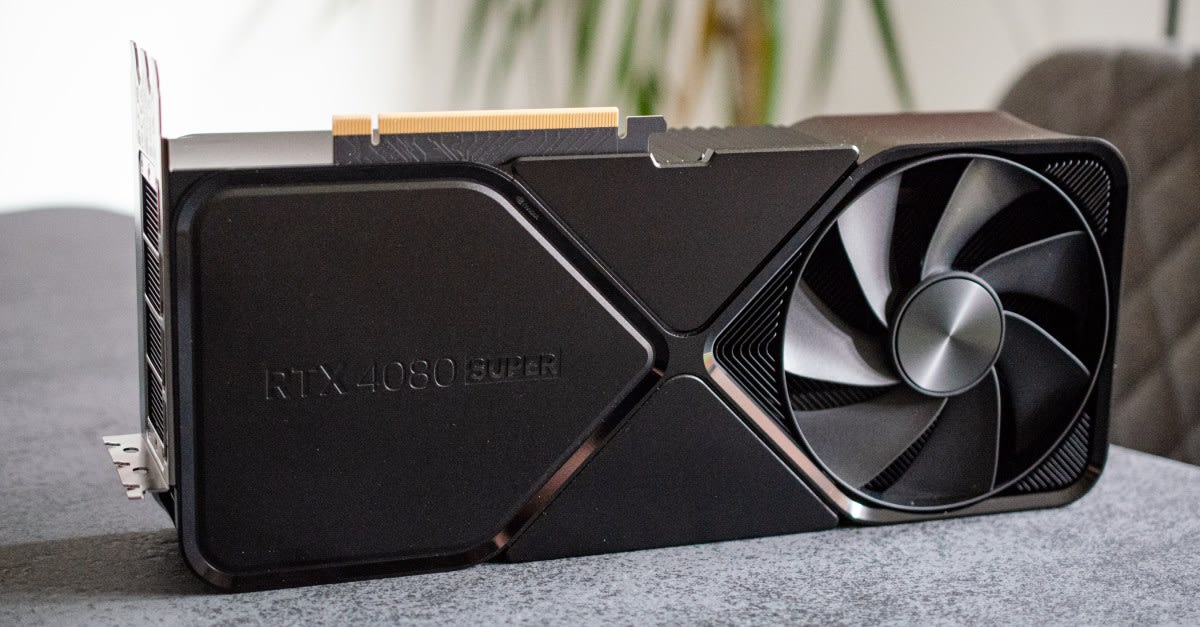
Nvidia is expanding the availability of its DLSS 5 AI rendering technology to include older RTX 40-series GPUs following successful efforts by modders to bypass original hardware restrictions. While the feature remains exclusive to Nvidia hardware, this shift marks a significant policy change regarding developer-controlled artistic vision versus user customization.
The Evolution of Nvidia's DLSS Strategy
Nvidia has officially announced a pivot in its rollout strategy for DLSS 5, a highly anticipated AI rendering technology that initially promised exclusive support for the new RTX 50-series GPUs. The original roadmap, which sought to maintain strict control over the user experience by limiting the feature to the latest architecture, has been disrupted by the rapid ingenuity of the modding community. By successfully porting a leaked version of the software to run on unsupported hardware, these developers have forced Nvidia to reconsider the necessity of such aggressive hardware gating.
The Impact of Community Intervention
The decision to bring DLSS 5 to the RTX 40-series is a direct response to the unofficial work of modders who proved that the technology could function beyond the latest silicon. While Nvidia initially framed the exclusivity as a requirement to preserve the artistic vision of game developers, the reality of PC gaming often involves a community that demands greater control over graphical settings. This incident underscores a recurring tension in the industry: the desire of hardware manufacturers to segment products versus the consumer's desire for software longevity.
Balancing Artistic Vision and User Control
At the heart of this controversy is the balance between developer intent and user autonomy. Nvidia’s initial stance was that DLSS 5 needed to be carefully curated to ensure that AI-driven rendering maintained the fidelity intended by creators. However, the modding community’s ability to 'crank sliders to the max' suggests that users are often more interested in performance optimization and visual customization than the specific performance profiles dictated by software manufacturers.
Hardware Longevity and Consumer Expectations
By expanding support to the RTX 40-series, Nvidia is acknowledging the reality of a market where consumers expect significant software support for premium hardware. The RTX 40-series remains a powerful platform for many users, and restricting major software advancements to the 50-series could have alienated a significant portion of the company’s current user base. This move helps maintain brand loyalty and ensures that the latest AI advancements remain relevant to a broader range of gaming systems.
Future Implications for AI Rendering
Looking ahead, this development sets a precedent for how Nvidia might handle future DLSS iterations. If the company continues to utilize AI-heavy rendering techniques, the pressure to maintain compatibility with older, capable hardware will only increase. Moving forward, we can expect Nvidia to adopt a more proactive approach to software rollouts, potentially integrating user-requested features earlier in the product lifecycle to avoid the need for unofficial, community-led workarounds.
Conclusion
The expansion of DLSS 5 support to the RTX 40-series is a victory for consumer choice and a pragmatic shift for Nvidia. By reconciling its ambitious AI roadmap with the realities of the PC gaming ecosystem, the company is better positioned to maintain its dominance in the GPU market. While the feature remains exclusive to Nvidia’s ecosystem, the inclusion of last-generation hardware demonstrates a commitment to platform value that will likely define the company's competitive strategy for years to come.