What to watch for after Jensen Huang’s Japan visit
Source Entity
Kate Park
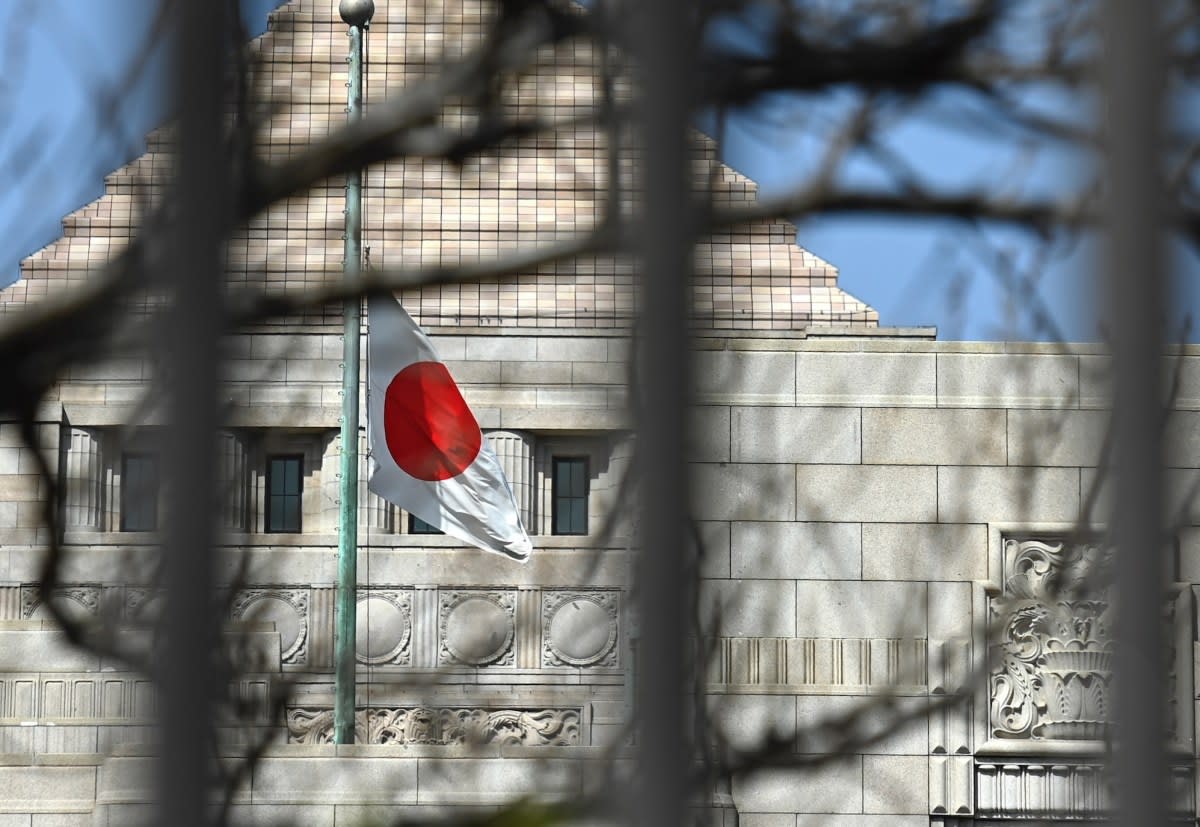
Nvidia CEO Jensen Huang's visit to Tokyo resulted in strategic deals for a national AI factory and robotics partnerships. The move signals Nvidia's pivot toward integrating AI into Japan's industrial manufacturing and robotics sectors.
Nvidia's Strategic Pivot: Transforming Japan's Industrial Core with AI
Jensen Huang's recent two-day visit to Tokyo on July 15 and 16 marks a pivotal moment in Nvidia's global expansion strategy. By courting Japan's industrial and chip-supply elite, Huang is not merely selling hardware but is architecting a deep integration into the Japanese economy. This visit follows a broader regional tour including stops in Taiwan and South Korea, suggesting a concerted effort by Nvidia to solidify its grip on the East Asian semiconductor and manufacturing corridor. The resulting deals—ranging from a national AI factory to partnerships with robotics leaders—indicate that Nvidia is moving beyond the data center to capture the 'physical' layer of artificial intelligence.
The Shift Toward Industrial and Physical AI
For the past few years, the AI boom has been dominated by Large Language Models (LLMs) and generative AI residing in the cloud. However, Huang's explicit message in Tokyo is that the next chapter of AI belongs to the factory floor, robots, and machines. By targeting Japan’s manufacturing sector, Nvidia is positioning its technology to drive the next wave of automation. The establishment of a national AI factory is a cornerstone of this strategy, providing the computational infrastructure necessary for Japan to develop sovereign AI capabilities tailored to its unique industrial needs, rather than relying solely on generic global models.
Strengthening the Supply Chain and Robotics Ecosystem
Beyond the high-level infrastructure, Nvidia is securing the foundational elements of its future hardware. The agreements made with chip-material suppliers are critical, as these specialized materials are the lifeblood of the next generation of AI chips. By locking in these partnerships, Nvidia ensures a resilient supply chain in a volatile geopolitical climate. Simultaneously, the focus on robotics leverages Japan's historical dominance in precision engineering and industrial automation. Integrating Nvidia's AI brains into Japanese robotic bodies creates a powerful synergy that could redefine global manufacturing efficiency and autonomy.
Historical Symmetry and Strategic Evolution
There is a poetic symmetry to this expansion when considering Nvidia's origins. Thirty years ago, a $5 million investment from Sega provided a vital lifeline to a near-bankrupt Nvidia, allowing the company to survive its infancy. Today, the roles have shifted; Nvidia is no longer the struggling startup but the primary engine of the AI revolution, returning to Japan to lead its industrial transformation. This historical connection underscores the long-standing, albeit evolving, relationship between Silicon Valley innovation and Japanese capital and engineering.
Broader Implications and Future Trends
Looking forward, the integration of Nvidia's AI into Japan's factory floors is likely to serve as a blueprint for other industrial powerhouses. We can expect a trend where 'Physical AI'—the intersection of AI, sensors, and actuators—becomes the primary driver of GDP growth in manufacturing-heavy economies. As Japan builds out this infrastructure, it will likely accelerate the deployment of autonomous factories that can self-optimize in real-time, reducing waste and increasing precision. This shift will likely force competitors to accelerate their own industrial AI strategies to avoid falling behind in the race for automated efficiency.
Conclusion
Jensen Huang's visit to Tokyo was far more than a diplomatic gesture; it was a calculated move to secure the materials, partners, and industrial applications necessary for Nvidia's next era of growth. By anchoring its technology in Japan's robotics and manufacturing prowess, Nvidia is ensuring that its influence extends from the digital cloud to the physical factory floor, cementing its role as the indispensable architect of the AI-driven industrial revolution.