'Always an option’: Trump floats pardon for Jensen Huang ahead of congress testimony
Source Entity
AYUSH PANDEY
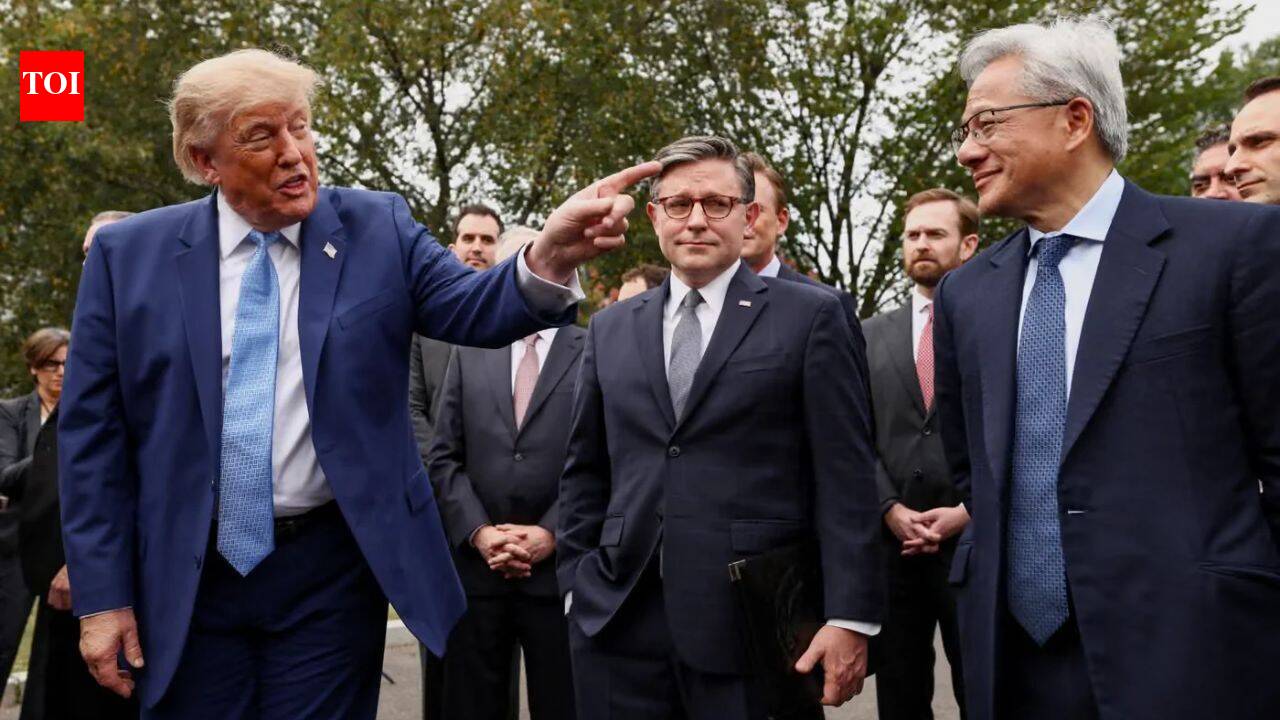
Jensen Huang has returned as Nvidia's CEO following a period of turmoil, sparking both market volatility and geopolitical scrutiny. President Trump's intervention in the leadership shuffle has raised concerns regarding the intersection of corporate governance and national security.
The Nvidia Leadership Crisis: A Convergence of Geopolitics and Corporate Governance
Recent developments at Nvidia have transcended typical corporate drama, evolving into a significant intersection of national security policy, market stability, and leadership accountability. The sudden resignation and subsequent reinstatement of Jensen Huang as CEO have triggered a massive ripple effect, characterized by extreme stock market volatility and intense scrutiny from the White House regarding the strategic importance of the company’s semiconductor leadership.
Market Volatility and the AI Sector
Following Huang’s extraordinary return, Nvidia’s stock experienced a dramatic 30% surge, adding over $900 billion in market value. However, this euphoria was short-lived, with shares retreating nearly 9% as investors braced for ongoing instability. This fluctuation underscores the heavy reliance of global economic growth on the AI sector, where Nvidia remains a linchpin. The market's reaction reflects a broader anxiety: the realization that the stability of a single company can dictate the health of the global tech economy.
Presidential Intervention and National Security
President Trump’s involvement in the leadership transition has ignited a fierce debate over the limits of executive power. By forcing the board to reinstate Huang, the administration has signaled that it views Nvidia’s internal governance as a matter of national security. Critics argue that this sets a dangerous precedent, potentially signaling to adversaries like Beijing, Tehran, and Moscow that the U.S. government is willing to intervene directly in corporate management, which could be interpreted as a vulnerability or a shift in policy toward state-directed economic control.
Internal Accountability and Cultural Reform
Parallel to the geopolitical narrative, Jensen Huang has faced the internal fallout of his actions. In a candid all-hands meeting, Huang apologized for "very serious personal mistakes" that affected his family and his professional standing. By acknowledging his participation in daily therapy and committing to regular performance reviews, Huang is attempting to restore credibility. His emphasis on the company’s code of conduct aims to address concerns regarding leadership accountability and the treatment of employees.
The Future of Corporate Governance
As Nvidia moves forward, the company faces a dual challenge. Externally, it must navigate a delicate path between its global commercial interests and the increasingly interventionist requirements of the U.S. government. Internally, the company is under pressure to institutionalize the reforms Huang has promised, moving away from a culture that allowed for "preferential treatment" or personal conduct issues. The long-term impact on Nvidia’s market position will depend on whether leadership can balance these external geopolitical pressures with a newfound commitment to internal transparency and ethical standards.
Multiple Citing Sources