Nvidia’s stock extends declines following harsh words from the U.S. government
Source Entity
Britney Nguyen
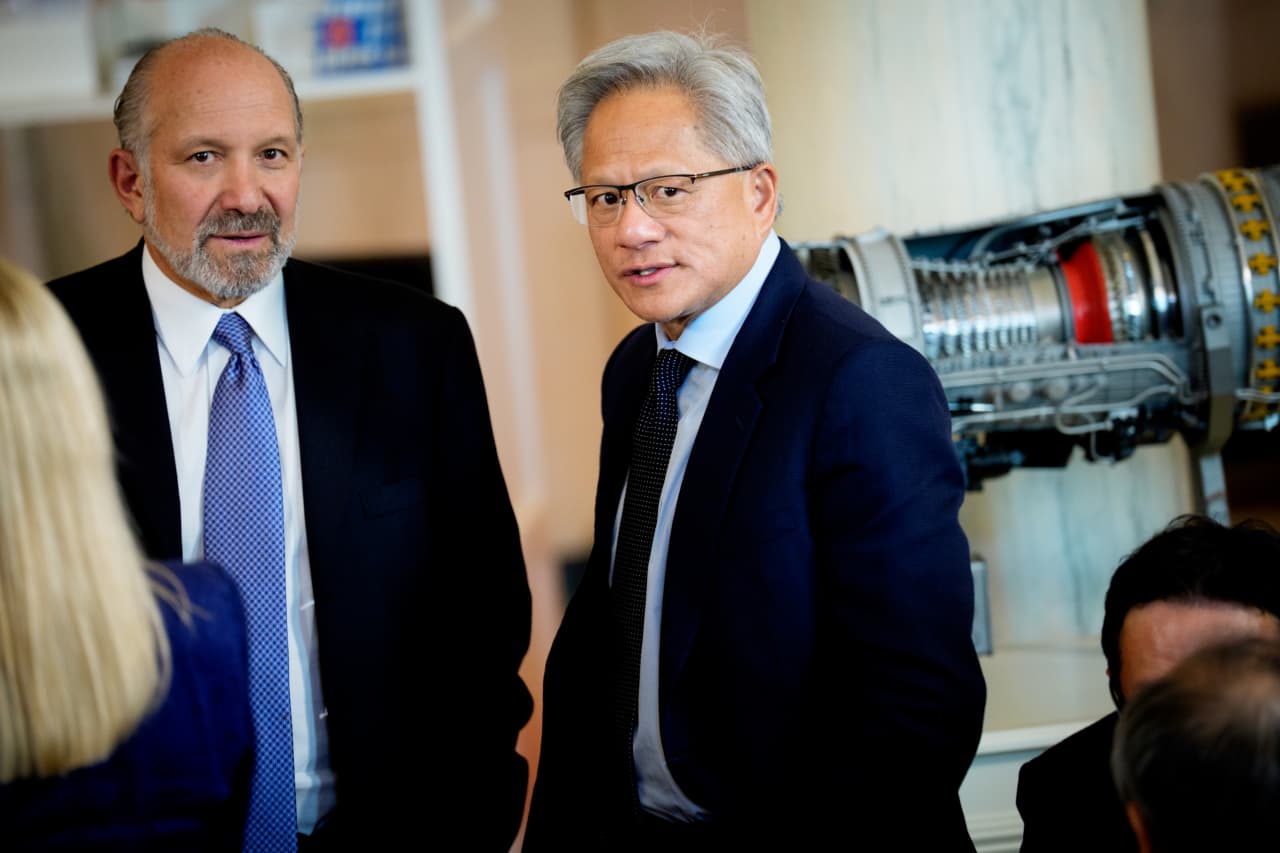
Treasury Secretary Scott Bessent has called for a leadership overhaul at Nvidia following the resignation of CEO Jensen Huang. The resignation followed allegations of personal misconduct and potential security breaches involving illicit chip sales to China.
The Crisis at Nvidia: A Leadership and Security Reckoning
The Resignation and Its Fallout
Nvidia, a titan in the global semiconductor industry, is currently navigating a period of unprecedented institutional instability. Following the abrupt resignation of long-time CEO Jensen Huang, the company faces intense scrutiny from the highest levels of the U.S. government. The departure of Huang was precipitated by revelations of personal misconduct, specifically allegations of an affair with Alice Huang—a businesswoman linked to concerns regarding Chinese espionage—and a separate inappropriate relationship with a subordinate. This scandal has shifted from a matter of corporate HR to a major national security concern.
Government Intervention and Export Compliance
U.S. Treasury Secretary Scott Bessent has taken a firm stance, publicly demanding a "dramatic shakeup" within the organization. The Treasury Department is currently investigating whether Nvidia’s internal culture prioritized short-term financial gains over strict adherence to U.S. export controls. Specifically, officials are examining whether the company engaged in illicit sales of advanced AI chips to Chinese entities, potentially bypassing federal restrictions designed to safeguard American technological superiority.
The Call for External Leadership
Secretary Bessent has explicitly urged Nvidia’s board of directors to look outside the company for their next Chief Executive Officer. This recommendation reflects a deep-seated concern that the existing internal culture is compromised. By suggesting an external hire, the Treasury Department is signaling that a clean break from the past is necessary to restore investor confidence and, more importantly, to ensure that the company’s internal governance aligns with federal law.
The Battle for Control
Despite the controversy, reports indicate that Jensen Huang is not conceding his influence easily. Allies of the former CEO are allegedly forming a task force to lobby for his reinstatement, planning to leverage political connections to facilitate a comeback. This internal power struggle places the Nvidia board in a precarious position, as they must balance the demands of the federal government against the influence of a founder who still retains significant support within the industry.
Broader Implications for the Semiconductor Industry
This event highlights the growing intersection between private corporate governance and national security. As AI chips become the "new oil" of the digital age, companies like Nvidia are under a microscope. The outcome of this leadership transition will serve as a bellwether for how the U.S. government intends to handle corporate compliance in the tech sector, specifically regarding the flow of sensitive technology to geopolitical rivals like China.
Future Outlook
The path forward for Nvidia remains uncertain. The board’s decision on whether to follow Secretary Bessent’s advice to hire externally or succumb to pressure from Huang’s loyalists will determine the company’s future trajectory. A failure to perform a comprehensive housecleaning may lead to more aggressive regulatory actions, potentially impacting Nvidia’s operational freedom and its status as a cornerstone of the global AI infrastructure.
Multiple Citing Sources
Verification Required?