Nvidia’s valuation tumbles to a 15-year low. A bargain or a falling knife?
Source Entity
Mark DeCambre
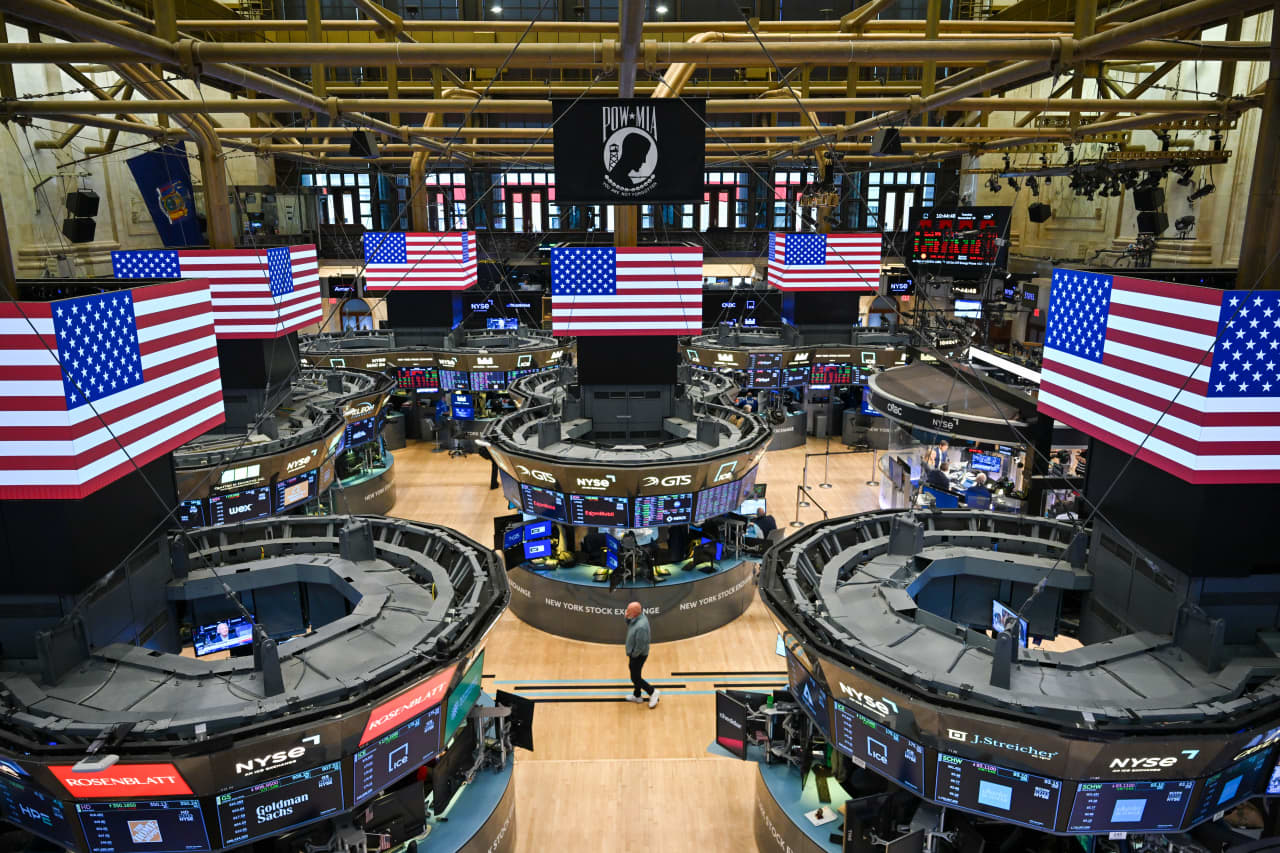
Nvidia faces significant market volatility and scrutiny as its valuation drops and concerns grow over its complex web of AI financing. Analysts and regulators are now questioning the systemic risk posed by the company's deep ties to the broader financial ecosystem.
The Unraveling of the AI Titan: Nvidia’s Financial Crossroads
Nvidia, once the undisputed darling of the artificial intelligence boom, is currently navigating a period of unprecedented turbulence. Recent market data indicates that the company’s valuation has tumbled to a 15-year low, a stark reversal for a firm that previously served as the primary engine of S&P 500 growth. The tech giant now trades at a discount compared to the broader index by certain metrics, leaving investors to debate whether this represents a rare buying opportunity or a dangerous 'falling knife' scenario.
The 'Central Bank of AI' Under Scrutiny
Beyond mere market fluctuations, the core of the concern lies in Nvidia’s expansive financial architecture. Often referred to as the 'central bank of AI,' the company has funneled hundreds of billions of dollars into a complex web of ties with other firms to fuel industry growth. This strategy, while successful during the initial AI gold rush, has created a precarious dependency. Analysts are now warning that if Nvidia encounters systemic failures, the resulting economic ripple effects could be far-reaching, potentially threatening the stability of the entire AI-driven financial sector.
Mounting Headwinds and Analyst Skepticism
Sentiment on Wall Street has shifted dramatically as the company’s problems mount. A prominent Baird analyst has officially downgraded the stock, signaling a departure from previous 'buy' recommendations. This pivot reflects growing anxiety regarding the sustainability of Nvidia’s business model in an environment of increased regulatory and internal pressure. The combination of declining stock performance and heightened scrutiny suggests that the market is beginning to price in the risks of the company’s aggressive financing strategies.
Operational Risks and Corporate Governance
Compounding these financial concerns are reports of sex-and-spying allegations surrounding CEO Jensen Huang. While the financial markets are primarily focused on the company’s balance sheet and its massive commitments to partners like CoreWeave, these reputational challenges add a layer of volatility that is difficult to quantify. As CoreWeave attempts to navigate its own debt-related hurdles, the interconnected nature of these companies means that issues within one firm are increasingly likely to infect the others.
Regulatory Oversight and Future Implications
Regulators, including the Federal Reserve, are now closely monitoring the AI buildout. The fear is that the 'web of ties' Nvidia has woven creates a systemic fragility. If the AI bubble were to contract, the financial damage would not be contained within the tech sector but could permeate broader financial institutions. As we look toward the future, the primary question remains: is Nvidia truly 'too big to fail,' or is it merely the first domino in a larger, more volatile financial chain reaction?
Conclusion: A Precarious Future
In summary, Nvidia stands at a critical juncture where market valuation, corporate governance, and systemic financial risk collide. Whether the company can stabilize its position remains to be seen, but the current climate of skepticism suggests that the era of unfettered optimism surrounding the chipmaker has come to a definitive close. Investors and regulators alike must now prepare for a period of adjustment as the true cost of the AI boom is tallied.
Verification Required?