How I kept cool with NYC's free battery program for window AC units
Source Entity
Jeremy Hsu
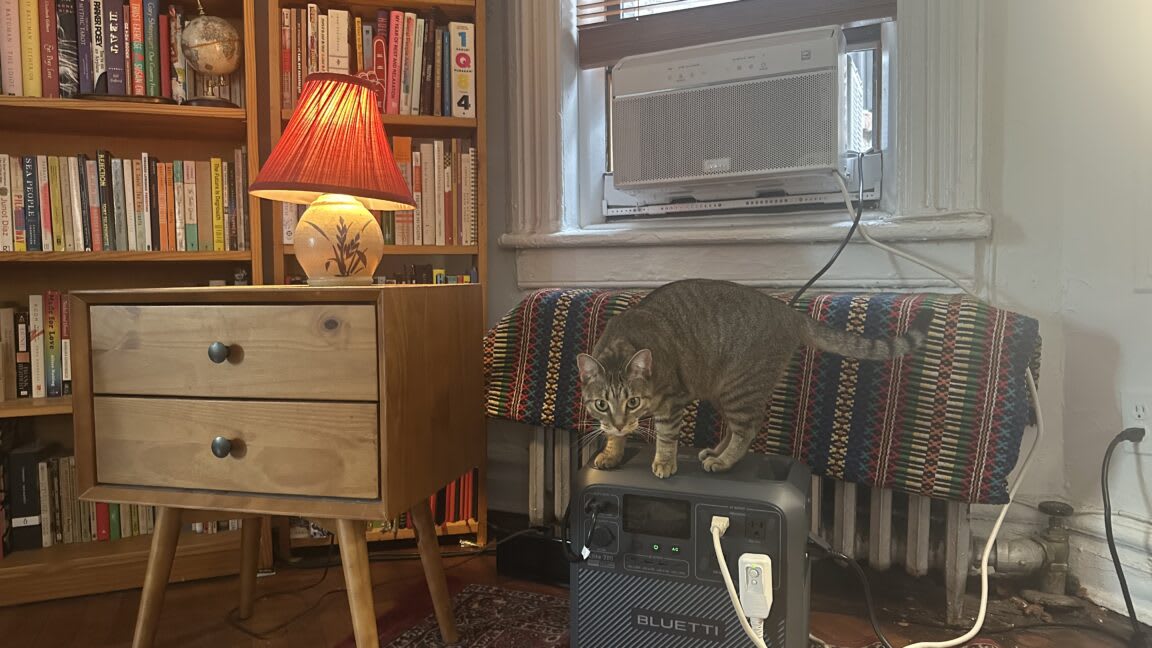
A pilot program in New York City is testing the use of household batteries to power window air conditioners during peak heat demand. This initiative allows residents to maintain cooling during extreme weather while participating in utility-led energy conservation programs.
The Shift in Urban Energy Management
New York City is currently serving as a live laboratory for a transformative approach to urban energy resilience. For years, residents have participated in demand response programs, which incentivize households to reduce power consumption during peak usage periods to prevent grid strain. Historically, this meant families would precool their homes and endure stifling heat when utility companies triggered these events. The introduction of home battery systems, however, marks a significant departure from this model of sacrifice, enabling a more comfortable and sustainable way to handle extreme summer temperatures.
The Role of Battery Technology in Demand Response
The core of this initiative involves the integration of household batteries, such as those provided by the company Every Electric, which allow air conditioners to operate independently of the primary grid during critical stress events. By storing energy and deploying it when the grid is most taxed, these 1,000 participating households are effectively bypassing the traditional "sweat it out" requirement of demand response. This technology bridges the gap between individual comfort and collective grid stability, proving that modern infrastructure can support high-demand appliances even during intense heat domes.
Mitigating the Heat Dome Effect
As climate patterns shift and heat domes—prolonged periods of extreme, stagnant high pressure—become more frequent, the necessity for reliable cooling solutions has never been higher. The ability to keep window AC units running during triple-digit heat is not merely a convenience; it is a public health imperative. By utilizing distributed energy resources, this program mitigates the risk of heat-related illnesses among vulnerable populations while reducing the likelihood of brownouts that often occur when residential demand surges simultaneously across the city.
Navigating the Future of Utility Programs
This pilot program highlights a growing trend where utility companies shift from simply asking for load reduction to actively equipping customers with the tools to manage their own energy consumption. For the average New Yorker, these batteries provide a sense of autonomy over their living environment. Furthermore, the unobtrusive design of these units, which have reportedly been well-received by household pets, suggests that the integration of green energy hardware into residential spaces is becoming more seamless and socially acceptable.
Looking Ahead: Sustainability and Scalability
While the program currently encompasses 1,000 households, its success suggests a scalable model for other dense urban environments facing similar power grid constraints. As battery costs continue to decline and the efficiency of energy storage improves, we can expect to see more programs that incentivize the installation of residential storage systems. This shift could fundamentally alter how cities manage peak demand, moving away from reactive conservation measures toward a proactive, decentralized grid architecture that prioritizes both sustainability and occupant well-being.