It’s not AI anymore, it’s ‘super intelligence’ (according to the White House)
Source Entity
Theresa Loconsolo
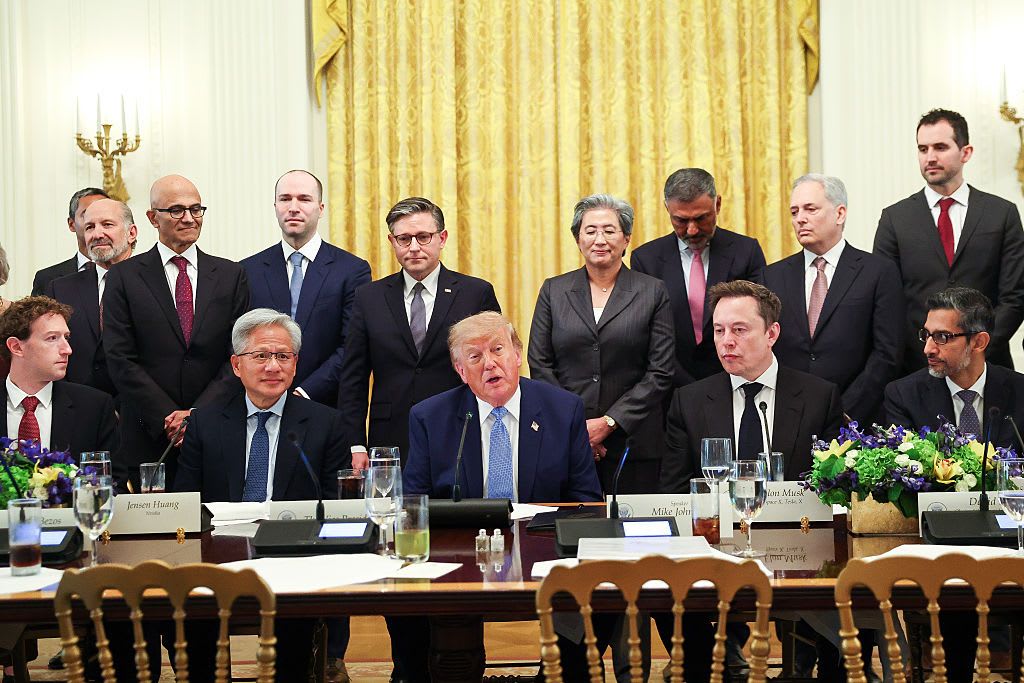
The White House has convened top tech CEOs to sign a 'morally binding' AI safety pledge. President Trump has officially rebranded AI as 'super intelligence' via executive order, while companies shift toward more consumer-friendly branding.
The White House Pivot: From Artificial Intelligence to Super Intelligence
In a landmark meeting that underscores the growing intersection of governance and advanced technology, the White House recently convened the titans of the tech industry. Leaders including Meta’s Mark Zuckerberg, Amazon’s Jeff Bezos, Tesla’s Elon Musk, and Anthropic’s Dario Amodei gathered to commit to an AI safety pledge. President Donald Trump, framing the agreement as “morally binding,” has set a new tone for federal oversight, signaling that the era of self-regulation is rapidly evolving into a more structured, high-stakes political environment.
The Executive Rebranding Initiative
Beyond the safety pledge, the administration has taken the unprecedented step of issuing an executive order to officially rebrand artificial intelligence as “super intelligence.” This linguistic shift is more than mere semantics; it suggests a fundamental change in how the federal government perceives the capabilities and inherent risks of these systems. By elevating the nomenclature, the White House is positioning the nation to treat these advancements not as standard software tools, but as a distinct class of powerful, autonomous systems that require a unique regulatory framework.
Corporate Strategy and the Human Element
As the regulatory landscape tightens, industry giants like Meta and OpenAI are simultaneously pivoting their public relations strategies. There is a concerted effort to humanize AI products, introducing friendlier interfaces and more relatable personas to mitigate public anxiety surrounding the rapid development of these technologies. This shift in branding is a defensive maneuver designed to foster user trust while these companies continue to navigate the complexities of massive internal investments.
The Economics of Enterprise vs. Consumer AI
While the focus of this week’s discussions often centers on consumer-facing products, the underlying financial reality remains tethered to the enterprise sector. The most significant capital flows in the AI space are currently driven by business-to-business applications, where the promise of efficiency and automation outweighs the experimental nature of consumer chatbots. The disparity between consumer-friendly branding and the cold, hard economics of the enterprise market remains one of the defining tensions in the industry today.
Future Implications and Market Outlook
As the industry looks toward future events like TechCrunch Disrupt 2026, the ripple effects of this White House intervention will likely be felt throughout the startup ecosystem. The shifting IPO market, coupled with the pressure of new safety mandates, suggests that startups will face higher barriers to entry. Investors will be closely watching how these “morally binding” commitments impact the bottom line, as the transition from experimental AI to regulated “super intelligence” forces a reevaluation of traditional growth models in the tech sector.