Court agrees with EFF: Utah's VPN law demands a technical impossibility
Source Entity
Hacker News
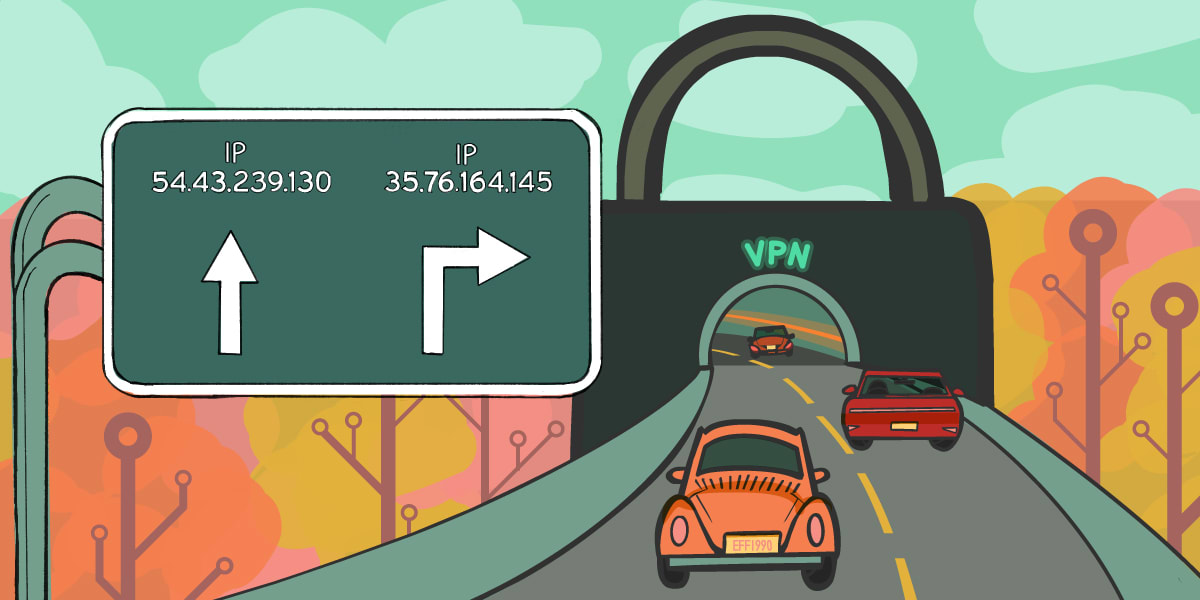
A federal judge has issued a preliminary injunction against Utah's SB 73, which sought to restrict VPN usage for age verification. The court recognized that the law mandates a technical impossibility, protecting user privacy and digital rights.
A Landmark Ruling for Digital Privacy
In a significant legal victory for digital rights advocates, a federal judge has issued a preliminary injunction blocking Utah’s Senate Bill 73 (SB 73). This legislation, which sought to regulate access to adult websites by effectively outlawing the use of Virtual Private Networks (VPNs) for age verification, has been halted on the grounds that it demands a technical impossibility. The court’s decision underscores the growing tension between state-level legislative attempts to control internet access and the fundamental architectural realities of global network privacy.
The Technical Fallacy of SB 73
The core issue addressed by the court is the impracticality of the mandates set forth in SB 73. VPNs are designed to mask IP addresses and encrypt traffic, providing a layer of anonymity that is essential for cybersecurity and personal privacy. By demanding that platforms detect and block these tools, Utah lawmakers were essentially legislating against the very protocols that keep the internet secure. The Electronic Frontier Foundation (EFF) played a crucial role in this process, submitting detailed comments to the Utah Department of Commerce to explain why such mandates are not only invasive but technically unfeasible to implement consistently.
Implications for Online Anonymity
If allowed to stand, SB 73 would have forced platforms to compromise the security of their users to satisfy state-mandated age verification requirements. The ruling acknowledges that forcing platforms to peer through encrypted tunnels undermines the privacy protections that users rely on worldwide. This decision serves as a powerful precedent, suggesting that courts are increasingly skeptical of laws that impose heavy burdens on technology companies while failing to account for the actual mechanics of internet infrastructure.
The Broader Legislative Landscape
This case highlights a recurring pattern where state legislatures attempt to regulate complex digital ecosystems with broad, often draconian measures. SB 73 represents a trend of states attempting to bypass federal oversight to implement strict internet controls. By blocking this law, the federal judiciary is signaling that state laws cannot override the fundamental technical standards that facilitate the modern web. This is not merely a local issue; it is a battle over the future of the internet as an open and private space.
Moving Toward Rational Regulation
Moving forward, this injunction suggests that future attempts to regulate online behavior will face rigorous scrutiny regarding their technical implementation. Lawmakers must now contend with the reality that digital rights groups and the judiciary will prioritize the integrity of encryption and privacy tools over flawed regulatory frameworks. The failure of SB 73 serves as a cautionary tale for other states considering similar legislation, emphasizing the need for technical consultation before codifying complex internet mandates.
Conclusion
The injunction against Utah's SB 73 is a vital step in preserving the utility of privacy-enhancing technologies. By recognizing that the state cannot mandate a technical impossibility, the court has safeguarded the ability of users to utilize VPNs for legitimate security purposes. This ruling stands as a testament to the importance of judicial oversight in protecting the digital architecture of the modern era.