The Ocarina of Time remake feels remarkably modern — and surprisingly terrifying
Source Entity
Cameron Faulkner
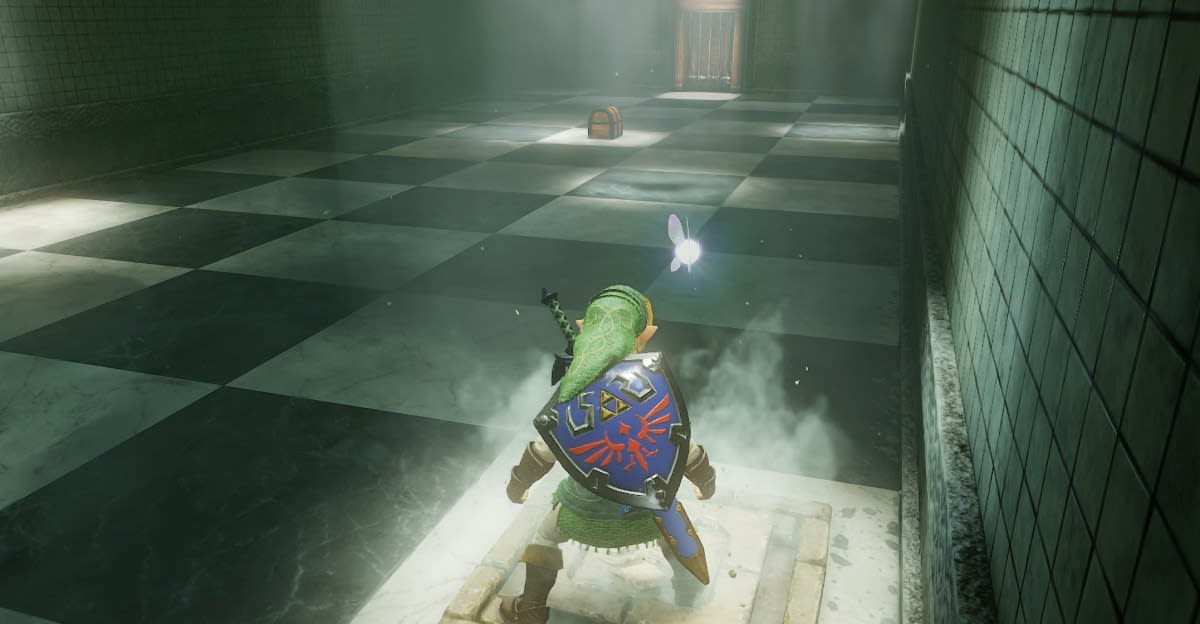
Nintendo is reportedly developing a modernized remake of The Legend of Zelda: Ocarina of Time for the upcoming Switch 2. The project aims to blend the game's classic 1998 mechanics with contemporary design updates to appeal to modern audiences.
A New Legacy: Reimagining a Gaming Icon
The announcement of a remake for The Legend of Zelda: Ocarina of Time on the upcoming Switch 2 represents a significant milestone in gaming history. Originally released in 1998 for the Nintendo 64, the title is widely considered a foundational pillar of 3D action-adventure games. By pioneering mechanics such as 3D movement, expansive world exploration, and early Z-targeting, the original game defined the blueprint for the genre. This upcoming iteration seeks to preserve that foundational legacy while reengineering the experience for a new generation of hardware.
Balancing Modernization and Nostalgia
One of the primary challenges in remaking a title as influential as Ocarina of Time is maintaining its core identity while addressing the limitations of 20th-century technology. Early reports suggest that Nintendo is not merely providing a graphical coat of paint; rather, they are performing a comprehensive reengineering of the game. By smoothing out the 'roughest edges' of the 1998 original, the developers are tackling the frustrations inherent in early 3D camera controls and movement systems, ensuring that the gameplay feels intuitive by modern standards.
Bridging the Gap to Modern Zelda
Nintendo is intentionally positioning this remake to bridge the gap between classic titles and the paradigm shift brought about by Breath of the Wild. Many modern fans were introduced to the franchise through the open-air, non-linear design of recent hits. By incorporating modern trappings and quality-of-life improvements, the remake acts as an entry point that welcomes these newer players into the franchise's history. This strategy suggests that Nintendo views its back catalog not just as a source of nostalgia, but as a living product line that can evolve alongside player expectations.
Unexpected Atmospheric Shifts
The report of the game feeling 'surprisingly terrifying' is a fascinating insight into the potential of updated visual fidelity. In the original 1998 release, the limitations of the N64 hardware often left much to the player's imagination. With high-definition assets and modern lighting engines, the more unsettling moments—such as the Bottom of the Well or the Shadow Temple—are likely to carry a significantly heavier emotional and atmospheric weight. This evolution proves that a remake can change the tone of a game simply by allowing the original vision to be fully realized through modern graphical capabilities.
Future Implications for Nintendo
This project signals a broader trend in Nintendo’s hardware strategy for the Switch 2. By leveraging their most iconic intellectual property to showcase the capabilities of new hardware, Nintendo is ensuring that the console launch is anchored by a title with immense cultural resonance. If successful, this approach could set a new standard for how classic games are preserved and updated, moving away from simple ports toward full-scale, ground-up recreations that respect the past while embracing the technical possibilities of the future.