Over 17,000 students dropped out of higher education in Odisha in three years
Source Entity
The Indian Express
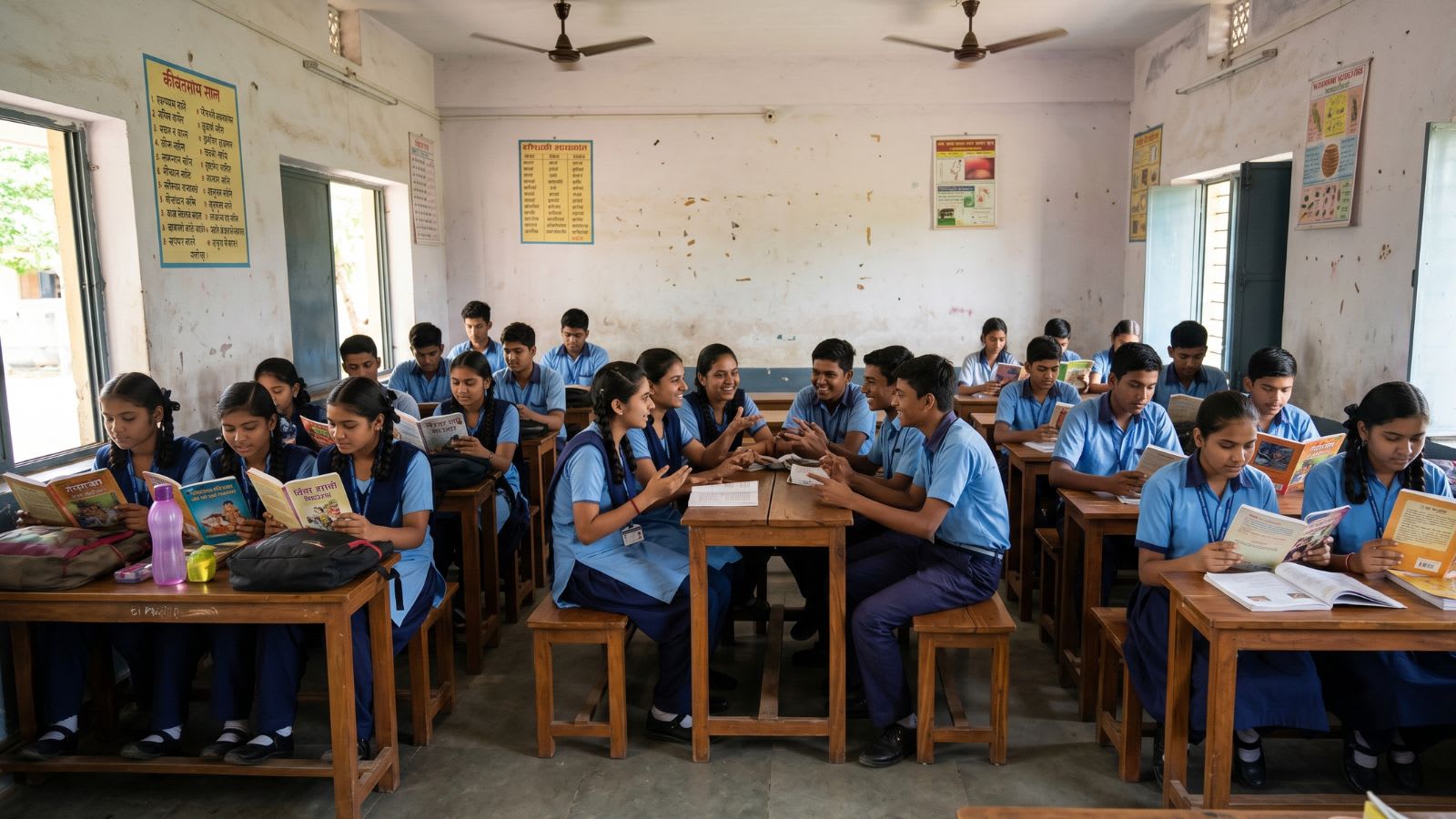
Odisha's Higher Education Minister revealed that over 17,250 students dropped out of higher education institutions across the state over the last three academic years. Data highlights a consistent trend of attrition, with Ganjam district recording the highest number of discontinuations.
Alarming Dropout Rates in Odisha's Higher Education Sector
Recent data presented to the Odisha Legislative Assembly by Higher Education Minister Suryabanshi Suraj has unveiled a concerning trend: 17,250 students have discontinued their higher education pursuits over the past three academic years. This disclosure, made in response to an inquiry by Congress MLA Kadraka Appala Swamy, highlights a significant systemic challenge within the state's academic framework that threatens the long-term human capital development of the region.
Analyzing the Temporal Data
The breakdown of the figures provides a sobering look at the persistence of this issue. During the 2023-24 academic year, 5,389 students left their studies, a figure that surged to 6,402 in the 2024-25 cycle. While there was a slight stabilization in the 2025-26 academic year with 5,459 dropouts, the cumulative total of 17,250 remains a substantial figure that demands immediate policy attention. The fluctuation suggests that while the immediate pressures may vary year-to-year, the underlying causes for attrition remain deeply embedded.
Geographic Disparities and Resource Allocation
The data specifically points to Ganjam district as having the highest concentration of student dropouts. This geographic concentration suggests that regional socio-economic factors may be playing a disproportionate role in student retention. When specific districts emerge as hotspots for academic attrition, it indicates that centralized state policies may not be effectively addressing the localized barriers to education, such as regional economic hardship, lack of infrastructure, or limited local employment prospects for graduates.
Socio-Economic Implications
Higher education is often viewed as the primary engine for social mobility. When thousands of students exit the system prematurely, the state faces the risk of creating a 'lost generation' of youth who lack the credentials necessary to participate in a modern, skill-based economy. These dropouts represent not only a loss of potential individual income but also a broader economic inefficiency, as investments in state-funded educational infrastructure fail to yield the expected outcomes in workforce readiness.
Future Outlook and Policy Directions
Moving forward, the government must shift from merely tracking these statistics to implementing proactive intervention strategies. This includes conducting a granular analysis of why students in high-dropout areas like Ganjam are choosing to leave. Potential solutions could involve targeted financial aid, improved counseling services, or closer alignment between vocational training and local industry needs. Without a strategic pivot, the state risks continued erosion of its educational standards and economic potential, making this a critical issue for the current administration to resolve.