₹30,000 crore rural infrastructure boost: Odisha to build 50,000 km roads ahead of polls
Source Entity
India Latest News: Top National Headlines Today & Breaking News | The Hindu
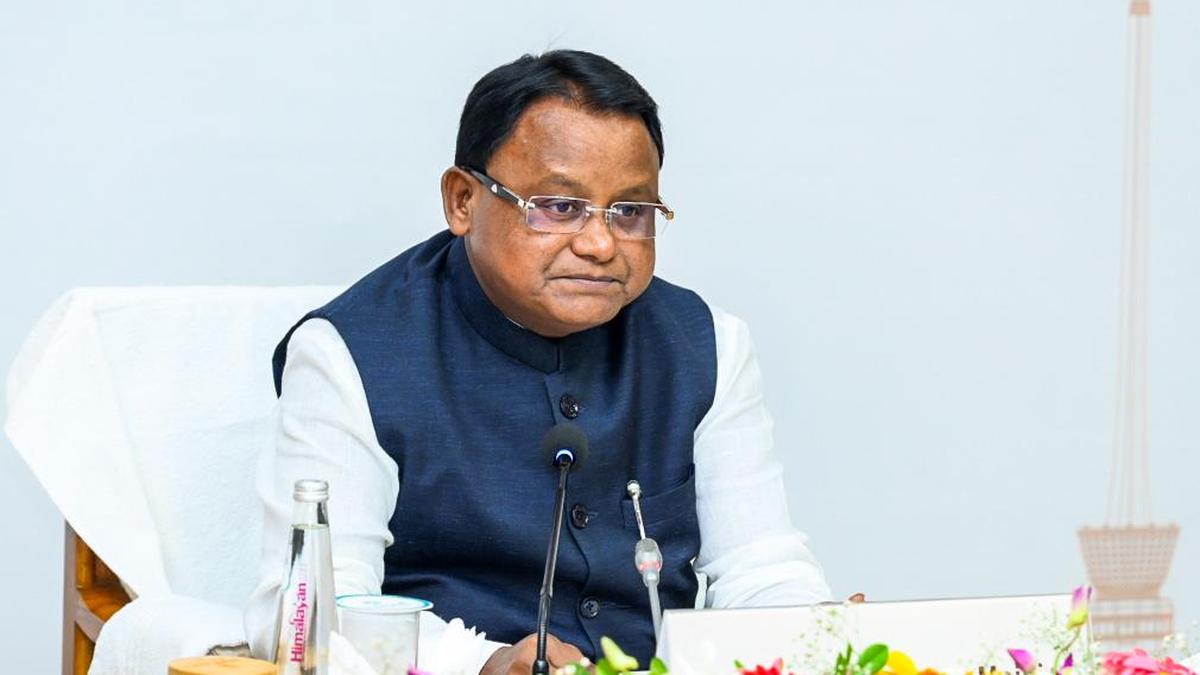
The Odisha government has announced a massive ₹30,000 crore investment over the next five years to bolster rural infrastructure, featuring the construction of 50,000 km of roads and 3,837 bridges, strategically timed ahead of upcoming elections.
Strategic Infrastructure Overhaul: Odisha's ₹30,000 Crore Rural Push
Odisha has unveiled an ambitious rural infrastructure development plan, committing ₹30,000 crore over the next five years to transform the state's connectivity landscape. The centerpiece of this initiative is the construction of 50,000 kilometers of rural roads and 3,837 bridges, with ₹11,000 crore specifically earmarked for the bridge projects. This massive capital injection is designed to bridge the gap between remote rural hinterlands and urban economic hubs, ensuring that the benefits of state growth permeate the deepest corners of the region.
Enhancing Last-Mile Connectivity and Economic Integration
The scale of building 50,000 km of roads suggests a strategic focus on "last-mile connectivity." In a state like Odisha, which possesses a diverse geography ranging from coastal plains to hilly terrains, rural isolation often hinders economic progress. By expanding the road network, the government is effectively lowering the cost of logistics for farmers and small-scale artisans. This infrastructure will allow agricultural produce to reach markets faster, reducing spoilage and increasing the bargaining power of rural producers. The integration of these remote areas into the broader state economy is expected to stimulate local entrepreneurship and diversify rural income streams beyond subsistence farming.
The Critical Role of Bridge Infrastructure
With ₹11,000 crore dedicated to the construction of 3,837 bridges, the government is addressing a critical bottleneck in Odisha's geography. Odisha is crisscrossed by numerous rivers and seasonal streams that often render rural roads impassable during the monsoon season. The construction of these bridges is not merely an engineering feat but a social necessity. These structures will ensure all-weather accessibility, meaning that rural populations will no longer be cut off from essential services during floods or heavy rains. This stability in connectivity is fundamental for the consistent delivery of government schemes and the movement of goods throughout the year.
Social Implications: Health, Education, and Safety
Beyond the economic metrics, the socio-economic implications of this project are profound. Improved road and bridge networks directly correlate with better access to healthcare and education. For many rural residents, the distance to the nearest Primary Health Centre (PHC) or secondary school is often the primary barrier to access. By reducing travel time and increasing reliability, the state is likely to see an improvement in maternal health outcomes and school enrollment rates. Furthermore, these roads facilitate faster response times for emergency services and disaster management teams, which is particularly vital for a state frequently impacted by cyclones and natural calamities.
Political Timing and Electoral Strategy
It is impossible to ignore the timing of this announcement, which comes "ahead of polls." In the Indian political landscape, infrastructure development is one of the most visible and tangible markers of governance. By announcing a project of this magnitude, the ruling administration is signaling its commitment to rural development, which is a critical voting bloc. Large-scale public works projects often serve a dual purpose: they provide immediate employment opportunities for local laborers and create a lasting physical legacy that voters can see and use. This strategic move is likely intended to solidify support in rural constituencies by demonstrating a direct investment in their quality of life.
Future Outlook and Sustainability Challenges
Looking forward, the success of this initiative will depend heavily on the quality of construction and the robustness of maintenance frameworks. The challenge for Odisha will be to ensure that these 50,000 km of roads do not deteriorate rapidly under heavy monsoon stress. There is an opportunity here for the state to implement "green infrastructure" practices, using sustainable materials and climate-resilient engineering to ensure longevity. If executed efficiently, this investment could serve as a blueprint for other states in India, proving that aggressive rural infrastructure spending can lead to a sustainable increase in the state's overall GDP and a significant reduction in rural-urban inequality.
Summary
Odisha's ₹30,000 crore investment is a high-stakes gamble on rural connectivity that promises to revolutionize the state's interior. By focusing on both expansive road networks and critical bridge infrastructure, the government is addressing long-standing systemic barriers to rural growth. While the political timing is evident, the long-term structural benefits—ranging from economic empowerment to improved social services—could fundamentally reshape the socio-economic trajectory of rural Odisha for decades to come.
Verification Required?