Why Oil Majors Don’t Want to Build New U.S. Refineries
Source Entity
Yahoo Finance
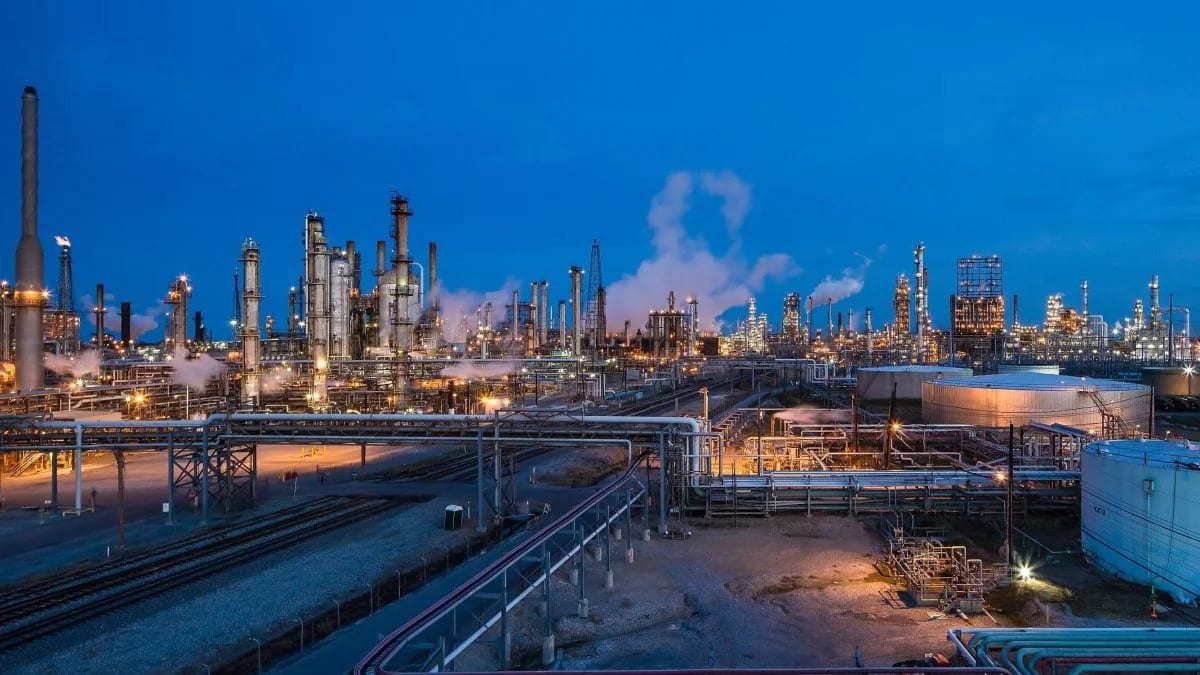
President Trump has urged U.S. oil executives to increase refinery capacity to lower record-high gasoline prices ahead of Labor Day. However, industry leaders face significant structural constraints as refineries are already operating at maximum capacity.
The Impasse: White House Pressure Meets Refining Reality
In a recent high-stakes meeting at the White House, President Donald Trump formally urged executives from major oil companies—including Chevron, Marathon Petroleum, Valero Energy, and PBF Energy—to immediately increase refining capacity. With national gasoline prices hovering above $4 per gallon and the U.S. approaching what is expected to be the most expensive Labor Day weekend on record, the administration is seeking rapid solutions to mitigate the inflationary pressure on American consumers.
The Structural Constraints of U.S. Refining
The fundamental disconnect between the administration's demands and the industry's capabilities lies in the current utilization rates of American infrastructure. Refiners have been operating at full capacity throughout the summer months to keep pace with demand. Because oil refineries are complex, capital-intensive industrial facilities, they cannot simply "switch on" additional capacity in the short term. The physical limitations of existing plants mean that even with political pressure, the immediate supply of fuel remains tethered to current operational thresholds.
Global Supply Shocks and Middle Eastern Instability
The urgency of this situation is exacerbated by external geopolitical factors, most notably the impact of the U.S.-Iran conflict. This ongoing tension has effectively crippled crude and fuel supply chains originating from the Middle East, leading to a significant depletion of global reserves. As international supply lines tighten, the reliance on domestic refining capacity becomes absolute, yet the infrastructure is already stretched thin, leaving little room to absorb external shocks or sudden demand spikes.
The Mid-Term Election Calculus
Timing plays a critical role in this administration's strategy, as the White House faces mounting political pressure just two months ahead of the mid-term elections. Gasoline prices serve as a primary indicator of economic health for the average voter, and record-high costs at the pump pose a significant risk to the administration's political standing. The demand for lower prices is a direct attempt to provide immediate relief to the electorate, though the economic reality suggests such interventions face steep hurdles.
Long-Term Implications for Energy Policy
Looking forward, this standoff highlights the vulnerability of the U.S. energy market to global instability. The reluctance of oil majors to build new refineries is rooted in long-term capital expenditure risks, environmental regulations, and the transition toward alternative energy sources. Unless there is a fundamental shift in how the U.S. incentivizes infrastructure investment or stabilizes global crude supply chains, the economy will likely remain susceptible to the current cycle of price volatility and supply constraints.