Oil price decline lifts mood, but volatility remains high
Source Entity
TNN
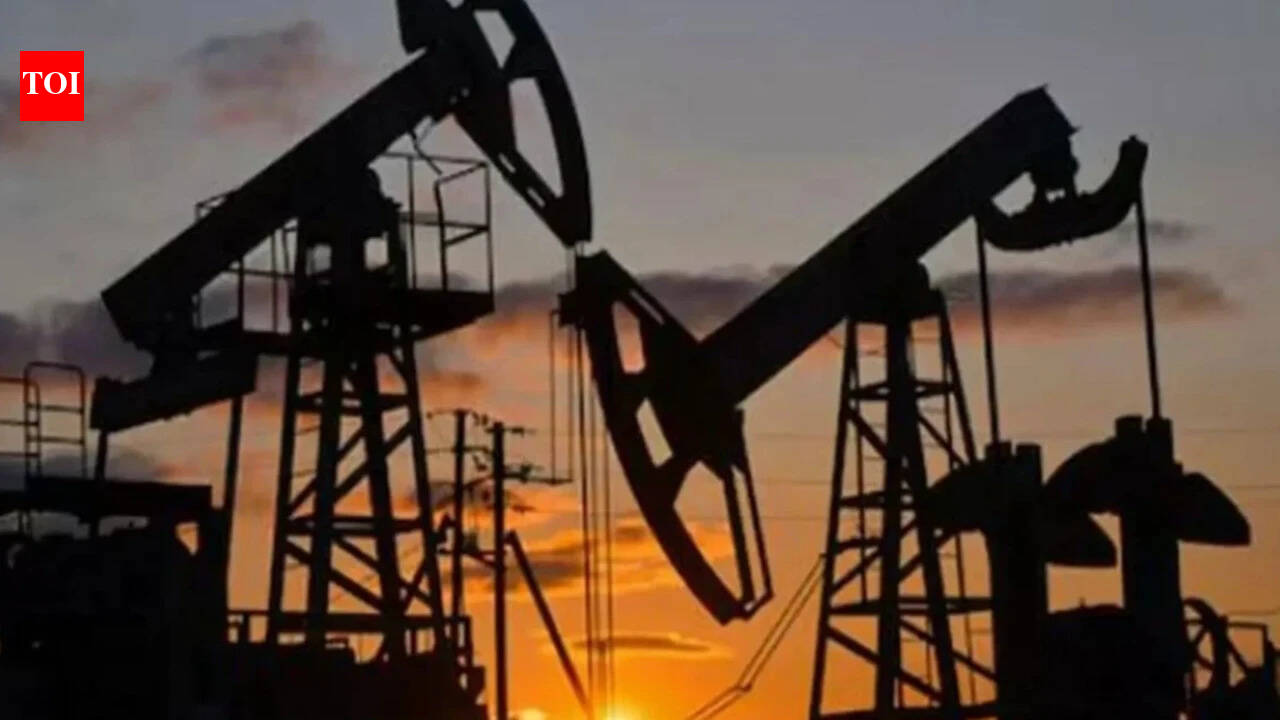
Brent crude prices saw a temporary dip below $94 per barrel following political shifts in the U.S. and easing tensions in the Strait of Hormuz. While this provides short-term relief for Indian refiners, market volatility remains a persistent concern.
Market Relief Amidst Geopolitical Shifts
Recent fluctuations in global energy markets have seen Brent crude prices slip below the $94 per barrel threshold for the first time in two months. This downward movement, which saw prices briefly recover to $97.7, reflects a nervous market sentiment attempting to price in the shifting geopolitical landscape. The primary catalyst for this cooling effect appears to be the aftermath of U.S. midterm elections, where the Republican party faced significant setbacks, prompting a shift in the administration's stance on the ongoing Iran conflict.
The Impact of U.S. Political Developments
President Donald Trump's acknowledgement that the conflict in Iran served as a pivotal factor in his party's electoral losses marks a significant turning point. Markets have interpreted this admission as a potential precursor to a de-escalation strategy. Historically, energy markets have been highly sensitive to U.S.-Iran relations, given the critical nature of the Strait of Hormuz as a global oil transit artery. As the prospect of a diplomatic resolution gains traction, speculative pressure on oil prices has begun to ease, offering a brief respite for import-dependent economies.
Implications for the Indian Economy
For India, the world's third-largest oil consumer, these price movements are of critical importance. The Indian crude basket, which had surged to an average of $119.9 per barrel in October—a level not seen since March 2012—has finally retreated to $103.8. This reduction is a welcome development for the nation's trade deficit and inflationary pressures. The high costs observed in October had strained the country's fiscal health, making the recent decline a necessary, albeit precarious, relief for domestic refiners.
Easing Supply Constraints in the Strait of Hormuz
Beyond the political rhetoric, tangible operational changes have bolstered market confidence. Iran's decision to grant exemptions to commercial vessels from four key nations, including India and China, regarding transit restrictions in the Strait of Hormuz, has provided a much-needed boost to supply chain security. By ensuring that oil tankers can move with less obstruction, the risk premium previously baked into the price of crude has begun to dissipate, allowing for more predictable supply flows to Indian refineries.
Sustained Volatility and Future Outlook
Despite the recent dip, it is imperative to note that the market remains trapped in a state of high volatility. While the immediate threat of supply disruption in the Strait of Hormuz has lessened, the structural issues that contributed to the price surge in October remain largely unresolved. Future market trends will likely depend on whether the U.S. administration can successfully navigate a path toward a sustainable resolution with Iran. Until a long-term diplomatic framework is established, investors and energy consumers should expect continued price swings, as any sudden reversal in geopolitical posturing could quickly push prices back toward the record levels seen in previous months.