Oil falls on easing concerns of renewed tensions as the U.S. pivots to economic pressure on Iran
Source Entity
US Top News and Analysis
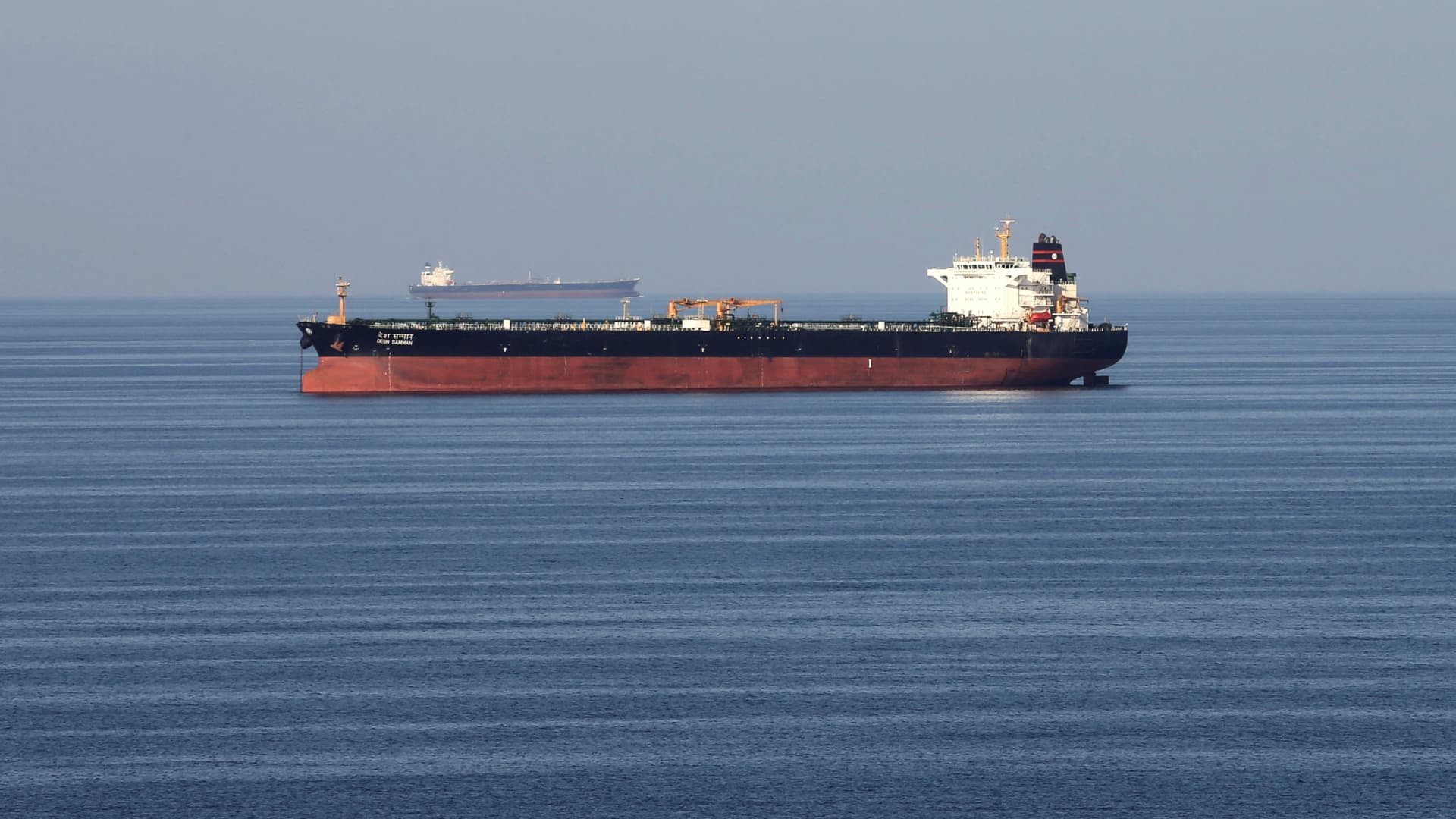
Oil prices have dropped by approximately 3% as markets react to the U.S. shifting from military threats to an 'economic D-Day' strategy against Iran. Investors are currently prioritizing these economic sanctions over potential supply disruptions in the Strait of Hormuz.
Market Reaction to Geopolitical Shifts
Global energy markets experienced a significant downturn this week, with both West Texas Intermediate (WTI) and Brent crude oil futures recording a decline of approximately 3%. This downward trend, which pushed prices to their lowest levels in over a week, reflects a cooling of immediate supply concerns that had previously kept prices elevated. The market’s shift in sentiment appears to be a direct response to the United States recalibrating its approach to Iran, moving away from the rhetoric of direct military conflict toward a comprehensive campaign of economic pressure.
The 'Economic D-Day' Strategy
The White House has characterized its latest policy efforts against Tehran as an "economic D-Day," a term underscored by Treasury Secretary Scott Bessent, who described the current campaign as the "single greatest financial offensive ever." By focusing on a new round of sanctions targeting the Iranian regime alongside international entities and individuals engaged in trade with the country, the U.S. is signaling a preference for long-term economic containment. This strategic pivot has provided a degree of reassurance to investors who previously feared an immediate, large-scale kinetic conflict in the Middle East.
Impact on Regional Risks
Despite the ongoing tensions surrounding the Strait of Hormuz—a critical maritime chokepoint for global oil transit—the market has largely shrugged off supply-side fears. Historically, risks in this region have triggered immediate price spikes, but the current market behavior suggests that traders are placing greater weight on the effectiveness of U.S. sanctions. Secretary Bessent’s assertion that intensified economic pressure actually reduces the likelihood of a major war has seemingly permeated investor sentiment, allowing for a recalibration of risk premiums.
Evolving Diplomatic Signals
Adding to the complexity of the situation are reports from the U.S. State Department indicating plans to return evacuated American diplomats to the Middle East. Such a move is widely interpreted as a de-escalation signal, suggesting that the administration does not anticipate an imminent military crisis. When viewed alongside the decline in oil prices, these diplomatic signals suggest that the market is beginning to price in a period of sustained economic friction rather than an abrupt disruption of global crude supplies.
Future Trends and Market Outlook
The current 5% decline in oil prices over the week underscores the volatility inherent in energy markets during periods of geopolitical transition. While the "economic D-Day" approach may stabilize immediate military fears, the long-term impact on global oil supply chains remains uncertain. If sanctions successfully curtail Iranian exports as intended, future market supply could tighten. However, for the present, investors are prioritizing the avoidance of a hot war, favoring a bearish outlook as the U.S. continues to leverage its financial dominance to influence Tehran’s policy trajectory.