'Manmohan govt engaged with Anna Hazare ... ': Omar says Centre unmoved by Wangchuk
Source Entity
TOI NEWS DESK
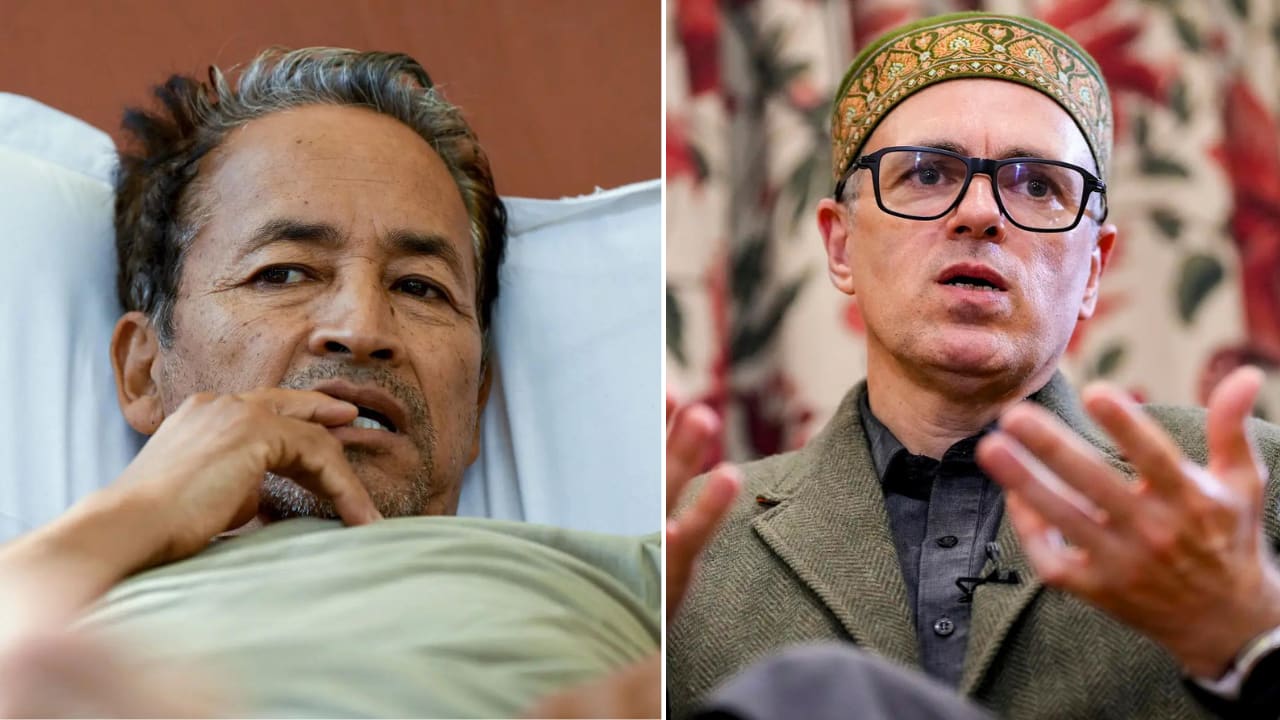
Jammu and Kashmir Chief Minister Omar Abdullah has voiced strong support for climate activist and educator Sonam Wangchuk, who is on a hunger strike to protest irregularities in the NEET examinations. Abdullah criticized the Central Government's perceived indifference, comparing the current administration's stance to the more engaged approach the Manmohan Singh government took during Anna Hazare's protests.
Political Standoff Over Educational Integrity: The Wangchuk Hunger Strike
The current political climate in India has been further strained by the escalating hunger strike of Sonam Wangchuk, a prominent educator and activist. Wangchuk's protest is centered on the alleged irregularities surrounding the National Eligibility cum Entrance Test (NEET), where he is demanding systemic accountability and transparency. The situation has gained significant political traction following the public endorsement of Jammu and Kashmir Chief Minister Omar Abdullah, who has accused the Central Government of remaining unmoved by the activist's plight. This intersection of educational reform and political friction highlights a growing divide between regional leadership and the central administration regarding the handling of civil dissent.
The Core Grievance: NEET Irregularities
At the heart of Wangchuk's protest is the demand for a thorough investigation into the NEET examinations. The examination, which serves as the gateway to medical education in India, has been plagued by allegations of paper leaks and systemic glitches. For an activist like Wangchuk, who has long championed equitable education and sustainable development, these irregularities represent a failure of the state to ensure meritocracy. The demand for accountability is not merely about a single exam cycle but about the structural integrity of one of the world's most competitive testing environments. The deterioration of Wangchuk's health after nineteen days of fasting underscores the desperation felt by those seeking reform in the national education system.
Political Comparisons and Historical Context
Chief Minister Omar Abdullah's critique of the current administration is particularly poignant as he invokes the historical precedent of the Manmohan Singh government's engagement with Anna Hazare. By drawing this parallel, Abdullah is suggesting a shift in the governing philosophy of the Centre—from one of dialogue and engagement with grassroots movements to one of perceived indifference or rigidity. The Anna Hazare movement of 2011 was a watershed moment in Indian politics that forced the central government to negotiate on the Jan Lokpal Bill. By contrasting that era with the current silence regarding Wangchuk, Abdullah is framing the Centre's inaction as a departure from the democratic tradition of listening to civil society leaders.
Legal Intervention and Humanitarian Concerns
As the hunger strike entered its third week, the focus shifted from the political to the humanitarian. The significant deterioration of Sonam Wangchuk's health has prompted medical warnings and judicial intervention. The Delhi High Court's order for daily medical examinations serves as a critical safety valve, ensuring that the state's duty to preserve life is balanced against the individual's right to protest. This legal oversight suggests that the judiciary recognizes the volatility of the situation and the potential for a medical crisis that could further inflame public sentiment and political tensions.
Regional Implications for Jammu and Kashmir
Omar Abdullah's support for Wangchuk is not without regional significance. As the Chief Minister of Jammu and Kashmir, Abdullah's alignment with a figure like Wangchuk—who is deeply respected in the Ladakh and Himalayan regions—signals a unified front among regional leaders against perceived central apathy. This alliance underscores the shared concerns of the northern territories regarding governance, transparency, and the protection of student rights. It transforms a specific protest about exam irregularities into a broader conversation about the relationship between the Union Territories and the Central Government.
Future Trends and Predictions
Looking forward, the resolution of this standoff will likely depend on whether the Central Government chooses to initiate a formal dialogue or continues its current trajectory of silence. If the government remains unmoved, there is a high probability of the protest expanding, potentially drawing in student unions and other civil society organizations across the country. Furthermore, the Delhi High Court may be forced to take a more active role in mediating the dispute if Wangchuk's health continues to decline. The outcome of this event will likely set a precedent for how the current administration handles high-profile hunger strikes and demands for institutional accountability in the education sector.
Summary
The convergence of Sonam Wangchuk's health crisis, Omar Abdullah's political critique, and the legal mandates of the Delhi High Court creates a complex narrative of dissent. The situation transcends the specific grievances of the NEET exam, evolving into a test of the Central Government's willingness to engage with critics and ensure transparency in national institutions.