ChatGPT Sketch turns your bad drawings into detailed AI images
Source Entity
Jay Peters
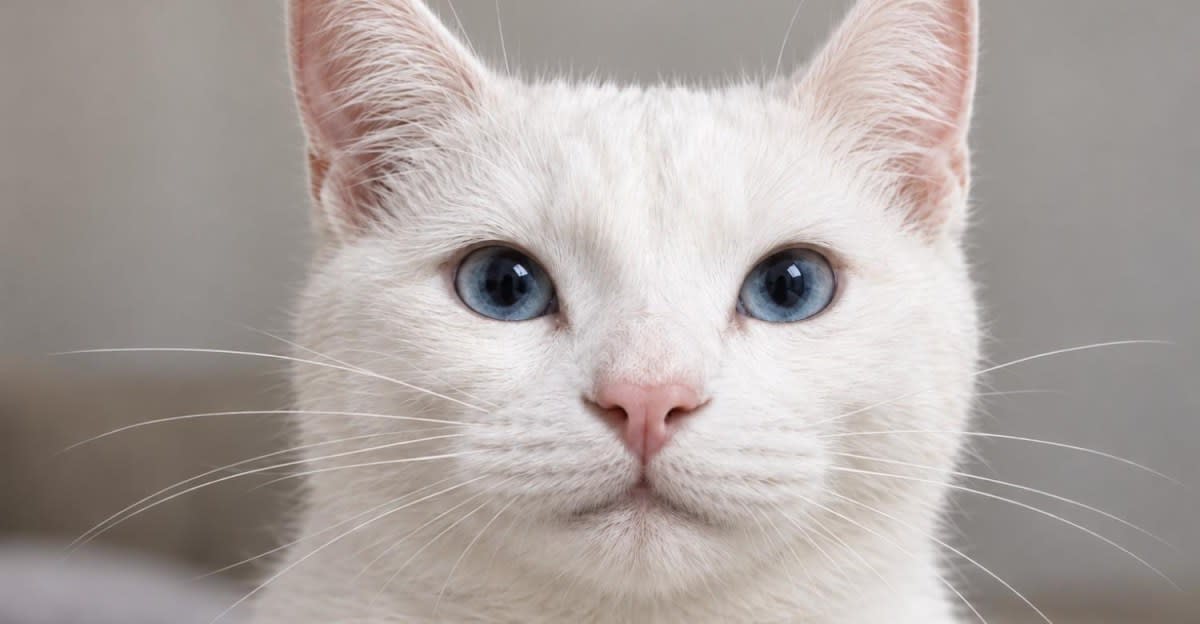
OpenAI has introduced the 'Sketch' feature within ChatGPT Images 2.5, allowing users to convert simple doodles into detailed AI-generated images. This tool simplifies visual creation by letting users draw directly in the chat interface using the @Sketch command.
Evolution of Generative AI: The Introduction of ChatGPT Sketch
OpenAI has officially expanded the creative capabilities of its platform with the release of ChatGPT Images 2.5, headlined by a new feature aptly named 'Sketch.' This update marks a significant shift in how users interact with generative AI models, moving beyond text-based prompts to a hybrid interface that incorporates human-drawn input. By allowing users to create doodles directly within the chat window, OpenAI is lowering the barrier to entry for high-quality image generation, making the process more intuitive for those who struggle to articulate complex visual concepts through text alone.
How the Sketch Feature Functions
The implementation of the Sketch feature is designed for seamless integration. By typing '@Sketch' into the chat box, users trigger a dedicated interface where they can draw their concepts. This tool acts as a visual guide for the underlying AI model, which then synthesizes the user's rough lines with specific text instructions to produce a polished result. Early testing indicates that the system is highly proficient at interpreting even crude sketches—such as basic mouse-drawn outlines of animals—and translating them into sophisticated, realistic imagery.
Bridging the Gap Between Human Intent and AI Output
One of the most persistent challenges in generative AI has been 'prompt engineering,' where users must learn specific linguistic patterns to achieve desired results. The Sketch feature effectively mitigates this by providing a visual shorthand. Instead of describing the geometry, lighting, and composition of a scene, a user can simply illustrate the basic layout. This hybrid approach represents a broader trend in the tech industry toward multimodal AI, where systems are increasingly capable of processing information across different sensory inputs, such as text, images, and drawings.
Broader Implications for Creative Workflows
This update has substantial implications for professional and casual creative workflows alike. For designers, educators, and hobbyists, the ability to rapidly iterate on a concept using a quick sketch could significantly shorten the prototyping phase. By democratizing the ability to create detailed images from simple doodles, OpenAI is positioning ChatGPT not just as a text processor, but as a comprehensive creative suite that adapts to the user's preferred method of expression.
Future Trends in Generative Media
Looking ahead, the integration of Sketch suggests a future where AI models become increasingly responsive to human nuance. As these tools become more refined, we can expect to see deeper integration between human-led artistry and machine-led enhancement. The success of ChatGPT Images 2.5 indicates that the industry is moving away from static prompt-response systems toward dynamic, collaborative environments where the AI acts as a sophisticated partner that interprets and elevates the user’s foundational creative input.