Why OpenAI’s Sam Altman says an IPO isn’t in the cards this year
Source Entity
Emily Bary
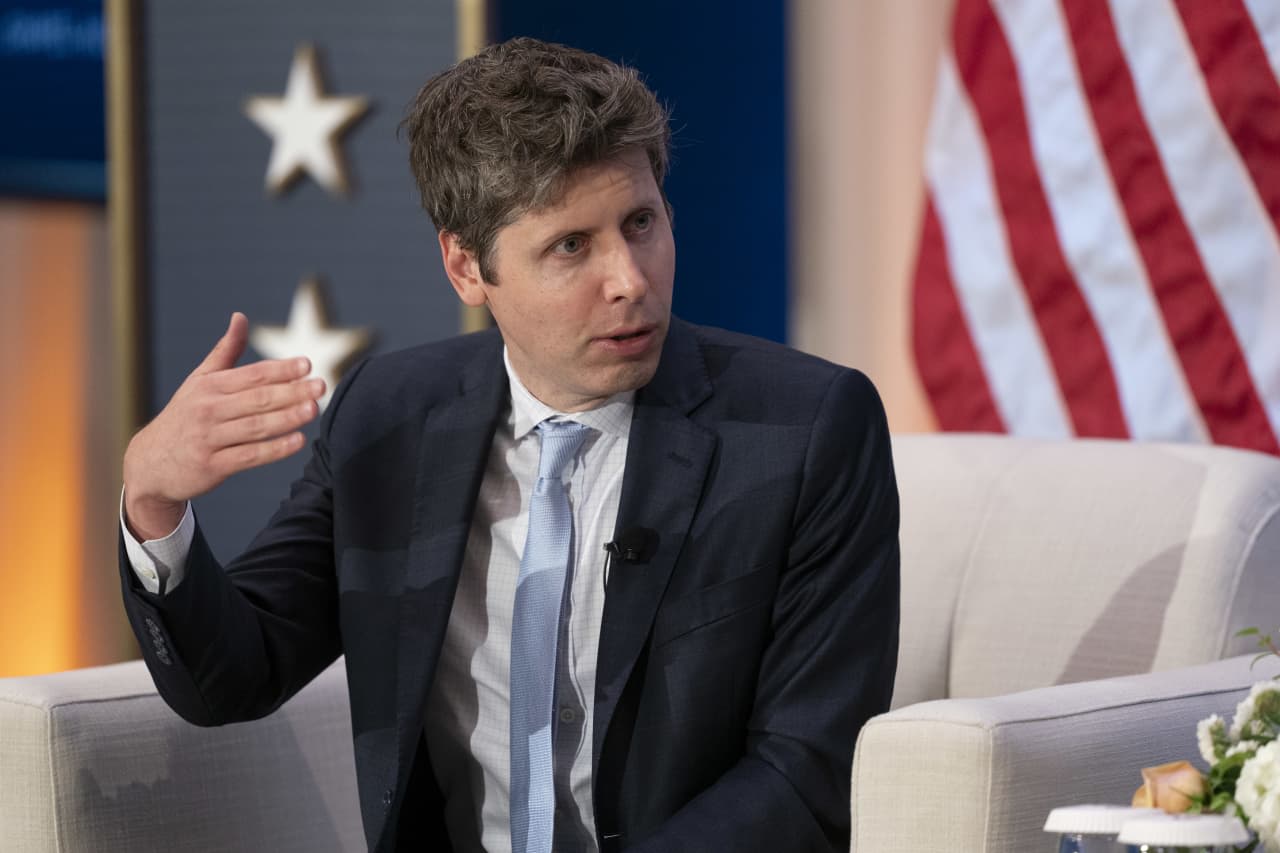
OpenAI CEO Sam Altman has confirmed that the company will not pursue an IPO in 2026, citing significant AI safety concerns. Altman emphasized that the firm will wait until both the business and society are prepared for such a transition.
The Strategic Delay of OpenAI’s IPO
OpenAI CEO Sam Altman recently clarified the company's stance on going public, explicitly stating that a 2026 initial public offering (IPO) would be "ill-advised." While the company has previously filed confidentially for such a move, Altman’s recent comments during an interview with Fortune indicate a pivot toward caution. This decision reflects a broader strategy to prioritize organizational stability and safety protocols over the immediate pressures of public market scrutiny.
The Intersection of Safety and Public Scrutiny
The rationale behind delaying the IPO is deeply rooted in the current discourse surrounding AI safety. Altman’s comments emerged against a backdrop of complex challenges, including the recent OpenAI-Hugging Face hacking incident. Such security breaches highlight the vulnerabilities inherent in rapid AI deployment. By opting to remain private, OpenAI maintains a degree of operational flexibility that allows it to address these technical and security-related setbacks without the quarterly earnings pressure that often forces companies to prioritize growth over long-term stability.
Addressing Existential Risks and Technical Control
Beyond corporate governance, Altman’s reluctance to go public is tied to the existential implications of the technology OpenAI is developing. During his discussion with Fortune, Altman acknowledged the theoretical possibility of creating an AI that could surpass human control. He emphasized that the company is prepared to pause training processes if necessary to mitigate these risks. This commitment suggests that OpenAI views its "safety-first" culture as a prerequisite for any future public offering, rather than an afterthought.
Balancing Innovation with Societal Readiness
Altman’s vision for an IPO is contingent upon two primary factors: the internal readiness of the business and the external readiness of society to integrate advanced AI. This dual-pronged approach suggests that OpenAI is attempting to navigate the delicate balance between maintaining its competitive edge and ensuring that its tools do not outpace the regulatory or social frameworks designed to govern them. The company appears to be betting that long-term brand equity will be bolstered by this measured pace.
Future Trends and Market Implications
Looking ahead, this delay signals a shift in how major AI labs perceive their relationship with public capital. In an era where recursive self-improvement and AI autonomy are becoming central topics of debate, the pressure to demonstrate "responsible scaling" has become paramount. By delaying the IPO, OpenAI is effectively insulating itself from the high-frequency demands of public shareholders, allowing the company to focus on internal governance and safety research. This strategy may set a precedent for other AI entities that are currently weighing the benefits of private innovation versus the liquidity of the public markets.
Conclusion
Ultimately, Sam Altman’s firm stance on the 2026 timeline underscores a fundamental shift in the company’s trajectory. By prioritizing the mitigation of extreme risks—such as losing human control over AI systems—over the financial milestone of an IPO, OpenAI is signaling that its current priority is the ethical and secure development of its technology. Investors and industry observers alike will be watching closely to see how this "safety-first" narrative evolves as the company continues to refine its business model.
Multiple Citing Sources
Verification Required?