Power cuts paralyse Punjab rice mills; Opon. slams AAP over ‘Roshan Punjab’ promise
Source Entity
India Latest News: Top National Headlines Today & Breaking News | The Hindu
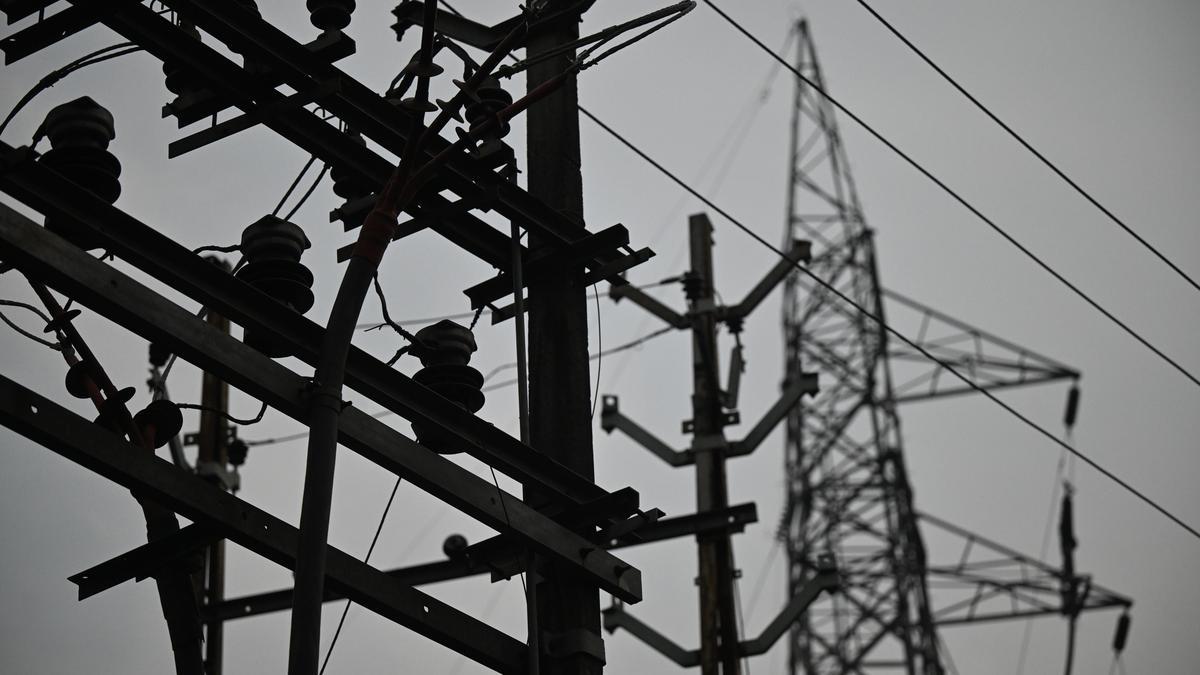
Punjab's rice milling and industrial sectors are facing a severe crisis due to extended, multi-hour power outages. State officials attribute the shortfall to a reduction in Central power pool allocations, sparking political friction.
The Punjab Power Crisis: A Deep Dive into Industrial and Agricultural Disruption
Escalating Energy Shortages in Punjab
The state of Punjab is currently grappling with a severe energy crisis that has reached a critical tipping point as of September 2026. Industrial consumers, specifically those categorized under classes 2 and 3, are facing unprecedented scheduled power cuts extending up to 14 hours daily. This represents a drastic escalation from previous weeks, where industries managed under a four-hour restriction. The situation has severely hampered operational continuity, forcing many manufacturing and processing units to abandon night shifts entirely, thereby crippling production capacities.
Impact on the Basmati Rice Ecosystem
The agricultural sector, the backbone of Punjab’s economy, is suffering collateral damage from this energy shortfall. According to the Punjab Rice Millers and Exporters Association, the lack of consistent electricity has rendered millers unable to lift Basmati rice arriving at market yards. Because paddy requires immediate drying and processing upon arrival, the power disruption has created a logistical bottleneck. This chaos is not limited to the mills; it has created a ripple effect of distress among Basmati-growing farmers who rely on the timely procurement of their harvest.
The Political and Administrative Impasse
The administrative response has been marked by finger-pointing between state and central authorities. Punjab Power Minister Tarunpreet Singh Sond has publicly stated that the state is receiving 1,051 MW less power than its allocated share from the Central Power pool. By demanding that the Centre honor its obligation, the state government is attempting to mitigate the political fallout of the 'Roshan Punjab' promise. The opposition has seized upon these outages to critique the current administration's inability to maintain a reliable grid, turning a technical infrastructure issue into a heated political debate.
Economic Implications and Future Trends
If these power outages persist, the long-term economic consequences for Punjab’s industrial and export sectors could be severe. The rice export industry, a significant contributor to the state's revenue, risks losing market share if it cannot fulfill contracts due to processing delays. Furthermore, the uncertainty surrounding power availability discourages investment and operational expansion. Unless the gap between the state’s energy demand and the supply provided by the Central pool is bridged, the state faces a potential slowdown in industrial output and a volatile agricultural market.
Conclusion: The Path Forward
The current crisis highlights the fragile nature of Punjab's power infrastructure and its heavy reliance on centralized distribution. To stabilize the situation, urgent reconciliation is required between the state government's power department and the central energy authorities. Without a resolution to the 1,051 MW deficit, the state remains vulnerable to further economic instability, leaving both industrial units and the agricultural community in a state of prolonged uncertainty.
Multiple Citing Sources
Verification Required?