OpenAI makes ChatGPT Health available to all U.S. users
Source Entity
Ivan Mehta
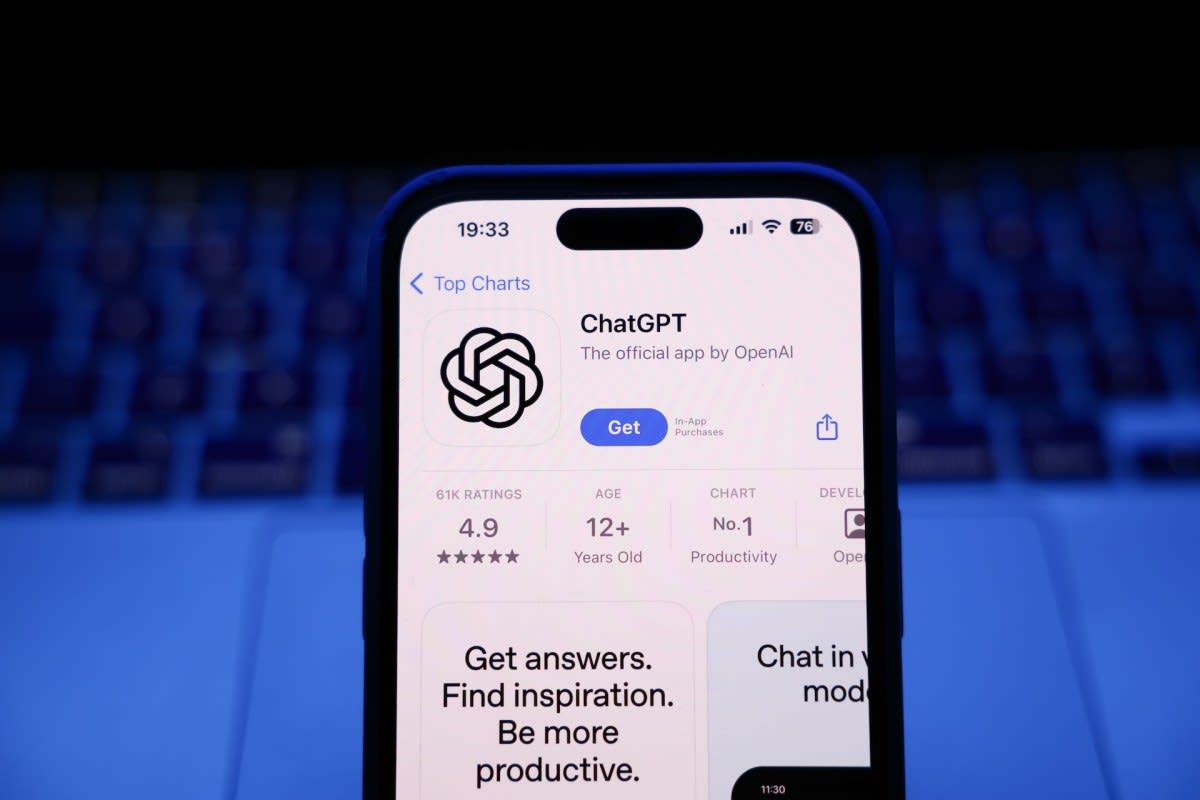
OpenAI has launched ChatGPT Health for U.S. users, enabling the integration of personal medical records and fitness data. Despite claims of clinician-level reasoning, the rollout faces scrutiny following a lawsuit regarding medical advice accuracy.
The Expansion of ChatGPT into Personal Healthcare
OpenAI has officially expanded its ecosystem by launching 'ChatGPT Health' to all U.S.-based users over the age of 18. This service, which was previously in a testing phase since January, represents a significant shift in how artificial intelligence interacts with sensitive personal data. By allowing users to integrate information from platforms like Apple Health, Function, and MyFitnessPal, as well as hospital systems like Epic, the company aims to provide personalized insights into a user’s physiological well-being.
The Data Integration Framework
The core value proposition of ChatGPT Health is the synthesis of disparate data points. Users can now securely connect their medical records and wearable health-tracking information directly to the chatbot. This functionality is intended to help users better understand their health trends by centralizing data that is typically siloed across various hospital portals and consumer fitness applications. The sheer volume of engagement—evidenced by queries rising from 230 million per week during testing to 300 million presently—underscores a massive public appetite for AI-assisted health guidance.
Bold Claims and Clinical Standards
During the product’s briefing, Ashley Alexander, OpenAI’s vice president of health product, stated that the company’s models are now capable of reasoning at levels exceeding those of human clinicians. This bold claim has ignited a necessary debate regarding the reliability of AI in high-stakes medical contexts. While the technology offers unprecedented access to data processing, the assertion of 'clinician-level' reasoning faces pushback, even from within the company; OpenAI health lead Karan Singhal noted a need to 'temper' such expectations, acknowledging the inherent limitations of large language models in diagnostic scenarios.
Legal and Ethical Challenges
The rollout of ChatGPT Health is occurring under a cloud of legal controversy. A Florida-based pastor has recently filed a lawsuit against OpenAI, alleging that the chatbot provided a near-fatal suggestion by advising against professional medical consultation. This incident highlights the critical safety risks inherent in deploying generative AI for health-related advice. It serves as a stark reminder that while technology can aggregate data, it lacks the accountability and nuanced judgment of a licensed medical practitioner.
Future Trends and Implications
Moving forward, the integration of AI into personal health management will likely trigger stricter regulatory oversight. As users increasingly rely on ChatGPT for health-related queries, the distinction between a 'wellness tool' and a 'medical diagnostic device' will become a central focus for policymakers. The future of this technology will depend on whether OpenAI can balance its rapid innovation with the stringent safety requirements necessary to prevent harmful medical misinformation, ultimately determining if AI can augment or replace traditional healthcare touchpoints.
Multiple Citing Sources