I tried out OpenAI’s new AI keypad — which will be fun for some coders and slightly mystifying to everyone else
Source Entity
Lucas Ropek
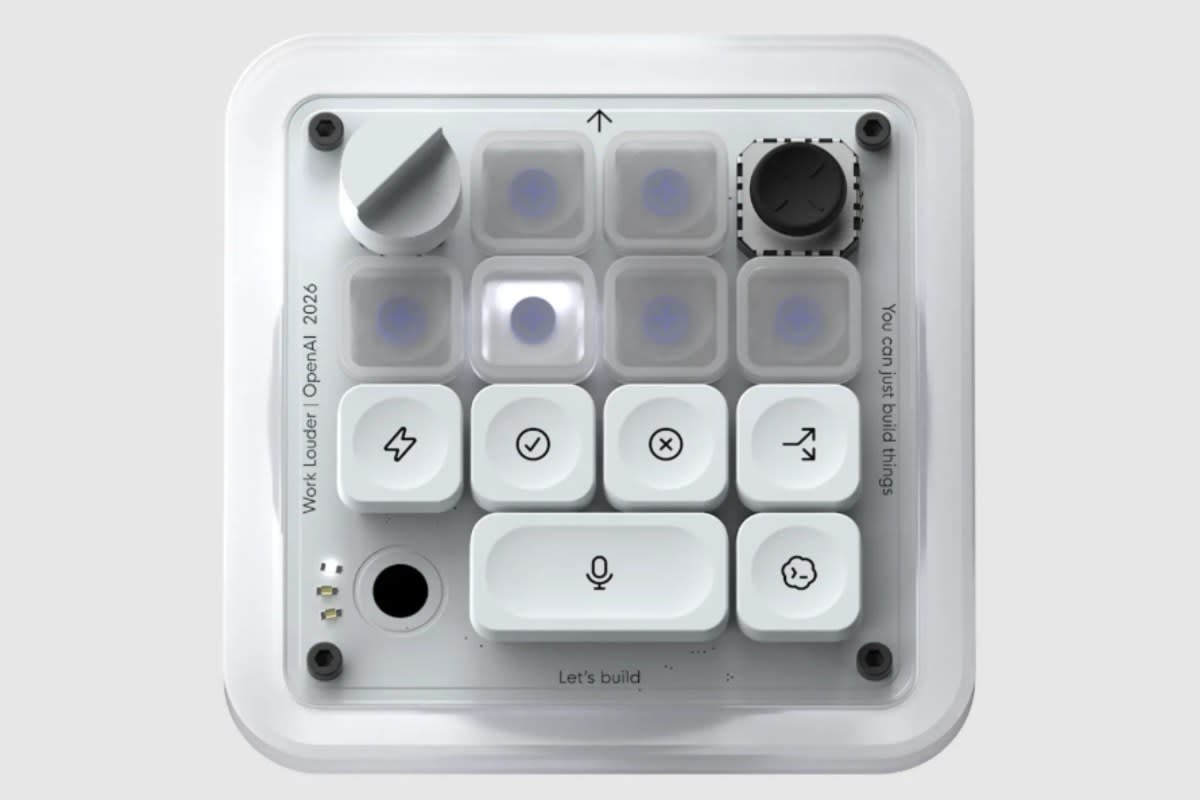
OpenAI has entered the hardware market with the launch of Micro, a specialized keypad designed for ChatGPT users. This niche product release occurs amidst ongoing legal tensions with Apple regarding trade theft allegations.
OpenAI's Foray into Hardware: The Micro Keypad
OpenAI has officially transitioned from a software-centric organization into the hardware sector with the launch of 'Micro,' a specialized keypad developed in partnership with Work Louder. This device is designed specifically to interface with ChatGPT, catering primarily to power users and coders who seek tactile hardware shortcuts for their AI workflows. While the device is marketed as an artisanal tool for productivity, its niche nature suggests it may struggle to find mass-market appeal beyond the dedicated tech enthusiast community.
The Intersection of Design and Utility
By collaborating with Work Louder, a brand known for its bespoke input devices, OpenAI is positioning this keypad as a high-end, aesthetic accessory. The device represents a tangible extension of the ChatGPT ecosystem, moving the AI interface from a purely digital screen-based experience to a physical one. However, for the average consumer, the utility of a dedicated hardware keypad for a chat-based LLM remains a point of confusion, highlighting the gap between developer-focused tools and general productivity software.
Legal Tensions and Corporate Rivalry
This hardware debut arrives at a precarious time for OpenAI, which is currently embroiled in a significant legal conflict with Apple. The iPhone maker has accused the AI lab of trade theft, a development that complicates OpenAI's expansion into physical product design. This legal friction is particularly notable given that OpenAI's other in-development smart home projects are reportedly being led by former Apple engineers, intensifying the perception of a direct corporate rivalry between the two tech giants.
Strategic Implications of Hardware Expansion
OpenAI's strategy to diversify into hardware suggests a long-term goal of embedding its artificial intelligence into the physical environment of the user. By controlling the interface devices that access their models, the company could theoretically create a more seamless 'AI-first' ecosystem. However, this shift invites increased scrutiny, especially as the company navigates accusations of intellectual property infringement and talent poaching.
Looking Ahead: The Future of AI Hardware
As the legal battle between OpenAI and Apple continues to simmer, the success of the Micro keypad will likely serve as a litmus test for OpenAI's ability to command brand loyalty in physical markets. Whether this device becomes a collector's item or a sign of an overreaching product strategy remains to be seen. Industry observers will be watching closely to see if OpenAI can reconcile its rapid software innovation with the stringent requirements and legal realities of the hardware industry.