'This was a warning from students & oppn': Rahul attacks Centre, PM Modi after CJP ends stir
Source Entity
TOI NEWS DESK
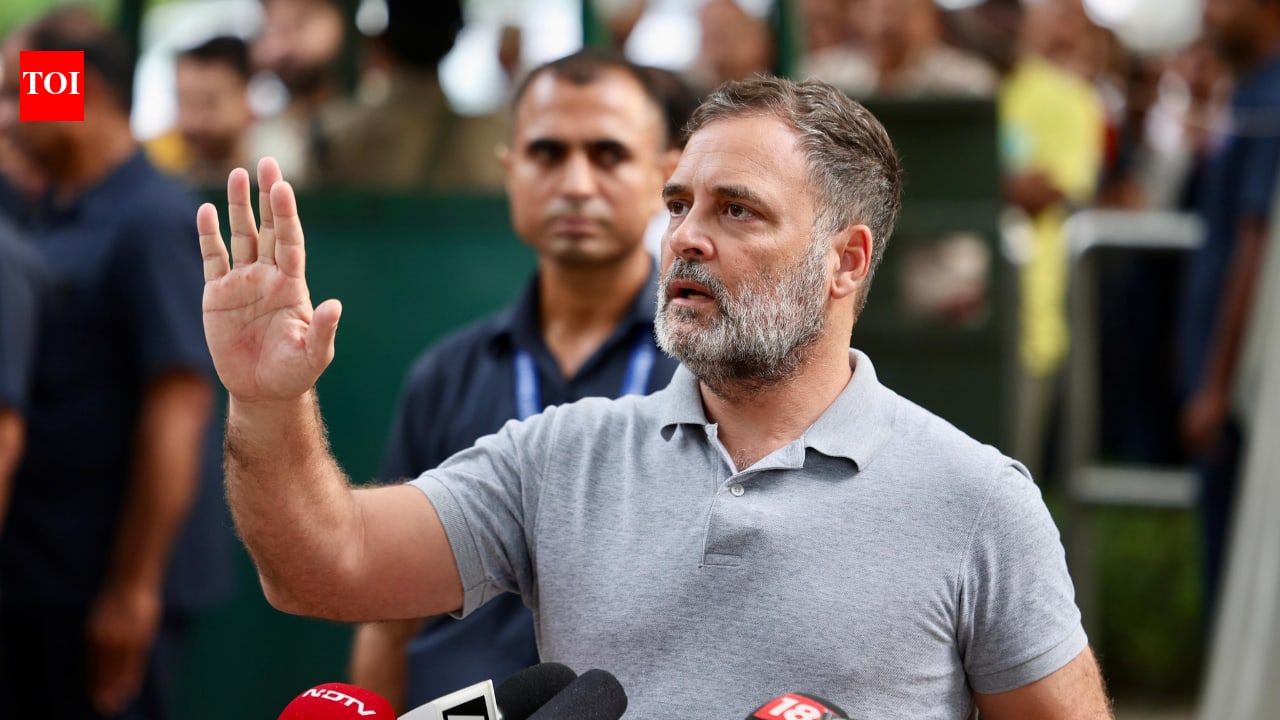
Opposition leaders are framing the resignation of Union Minister Dharmendra Pradhan and the conclusion of student protests as a significant political victory. Rahul Gandhi and other critics are leveraging these events to challenge the stability of the Modi-Shah administration.
The Political Fallout of Recent Protests and Resignations
A Shift in the Political Narrative
The recent resignation of Union Minister Dharmendra Pradhan, coupled with the conclusion of the student-led stir, has ignited a fierce rhetorical battle within the Indian political landscape. Opposition figures have seized upon these developments, interpreting them not as isolated administrative shifts, but as evidence of a burgeoning vulnerability within the ruling dispensation. By framing the events as a direct consequence of public and student pressure, opposition leaders are attempting to shift the narrative toward a perceived decline in the government’s mandate.
The Opposition’s 'Warning' Framework
Rahul Gandhi, a prominent voice in the opposition, has explicitly characterized the conclusion of the student protests as a "warning" directed at the Centre and Prime Minister Narendra Modi. This framing is a strategic attempt to validate the efficacy of street-level agitation. By positioning the student movement as a precursor to broader political change, the opposition is aiming to energize its base and signal to the electorate that the current administration is susceptible to organized dissent.
Rhetoric and the 'Modi-Shah' Target
The escalation in language, exemplified by calls suggesting that "Modi-Shah too will go," underscores a marked hardening of the opposition's stance. By targeting the top leadership directly, political rivals are seeking to personalize the critique, transforming policy-based grievances into a referendum on the leadership style of the Prime Minister and the Home Minister. This rhetoric serves to rally support by projecting a vision of future political instability for the current government.
Analyzing the Impact of Student Mobilization
The role of students in these developments highlights the enduring power of youth-led movements in Indian democracy. Historically, student uprisings have served as significant catalysts for political shifts. The fact that the opposition is now aligning itself closely with these student sentiments suggests a tactical effort to leverage youth discontent to challenge the government’s policy decisions and administrative appointments.
Broader Implications for Governance
Beyond the immediate political theater, these events signal a period of increased pressure on the Union government. The departure of a senior minister like Pradhan, occurring simultaneously with the resolution of high-profile protests, creates a perception of crisis management. Whether these events lead to long-term structural changes or merely temporary political friction remains to be seen, but the opposition’s emboldened stance suggests they will continue to utilize such milestones to keep the pressure on the ruling party.
Conclusion: A New Phase of Confrontation
In summary, the interplay between the resignation of Dharmendra Pradhan and the cessation of student protests has provided the opposition with a new platform for critique. By linking these events to the potential downfall of the current administration, they are setting the stage for a more confrontational political climate. The success of this strategy will likely depend on the government’s ability to regain control of the narrative and address the underlying causes of the recent unrest.