"Do I Still Need To Prove Sincerity?" Sonam Wangchuk On 'Deal' Allegations
Source Entity
NDTV News Search Records Found 1000
Student organizations are staging widespread protests against alleged examination irregularities and the NTA's performance. The agitation includes calls for the resignation of Education Minister Dharmendra Pradhan and solidarity with activists like Sonam Wangchuk.
The Growing Crisis of Examination Integrity and Student Unrest
Recent developments across India have highlighted a deepening crisis regarding the credibility of national examination processes. Student organizations, specifically the Naujawan Bharat Sabha (NBS) and the Disha Students’ Organisation, have mobilized in various locations, including near the GVMC office, to express their profound dissatisfaction with systemic failures. These protests are primarily driven by allegations of widespread paper leaks and examination scams, which have significantly undermined the confidence of millions of students in the National Testing Agency (NTA).
Accountability and the Call for Ministerial Resignation
The protests have transcended local grievances, evolving into a direct demand for political accountability. Activists, such as Disha Students’ Organisation member Avinash, have explicitly called for the resignation of Union Education Minister Dharmendra Pradhan. This demand reflects a growing sentiment among the youth that the current administrative oversight is insufficient to handle the complexities of national-level testing. The protesters argue that mere institutional tweaks are inadequate, and that leadership changes are required to address the perceived negligence within the education ministry.
The Demand for Structural Reform
Beyond calls for resignation, there is a tangible push for the total abolition of the National Testing Agency. Members of the Naujawan Bharat Sabha, such as Sujan, have championed this stance, suggesting that the current framework of the NTA is fundamentally flawed and incapable of ensuring fair and transparent examinations. This movement is not just a reaction to a single incident but a broader critique of how high-stakes testing is managed in India, with students demanding a complete overhaul of the existing mechanism to prevent future malpractices.
Solidarity and the National Movement
The agitation in various cities is intrinsically linked to the ongoing protests at Jantar Mantar in New Delhi. By staging demonstrations in solidarity with those in the national capital, these groups are attempting to create a unified national front against what they term as 'police assault' on peaceful protesters. The coordination between these regional groups and the central protest indicates a growing organizational capacity among student bodies, which is likely to sustain the momentum of the movement until their demands are met.
Broader Implications and Future Trends
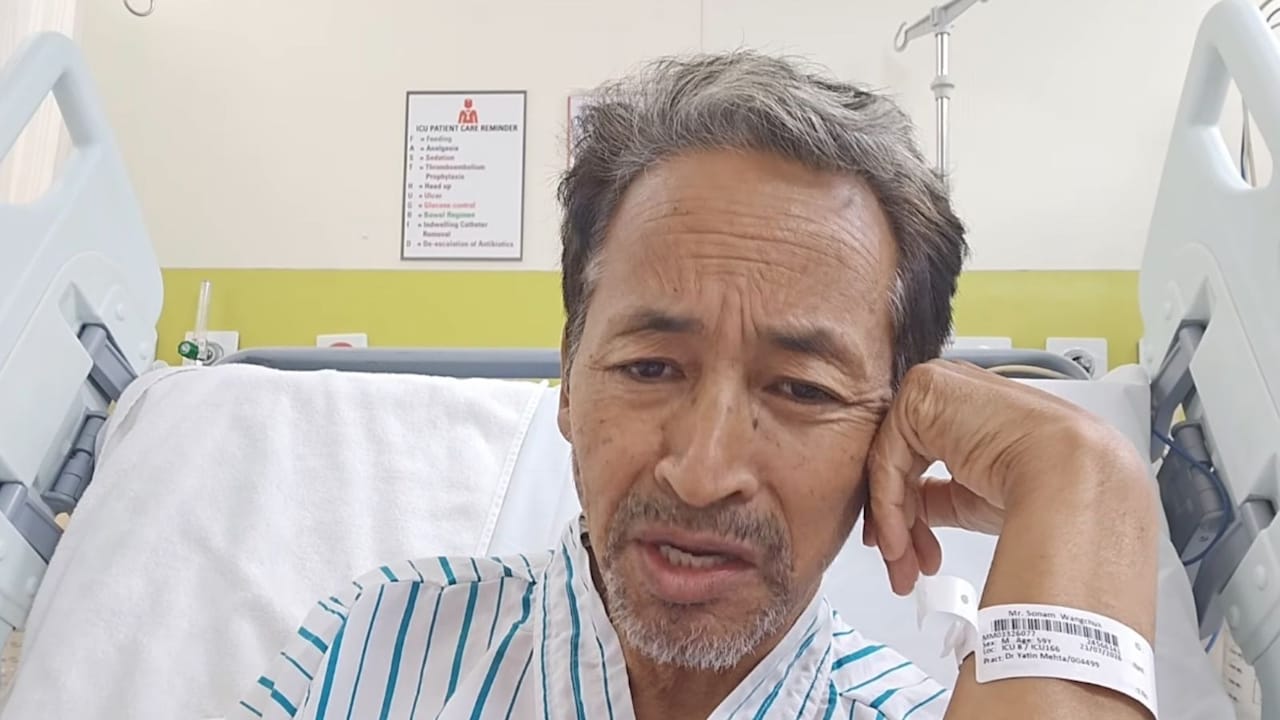
The intersection of these protests with other public movements, such as the fast undertaken by Sonam Wangchuk—whose brother recently provided updates on his health and intentions—suggests a broader climate of dissent. As the government faces pressure from multiple fronts, the future of the NTA and the tenure of education officials remain uncertain. If the government fails to address the core allegations of corruption and procedural failure, the movement is likely to expand, potentially leading to long-term disruptions in the academic calendar and increased political friction in the lead-up to future policy decisions.
Multiple Citing Sources
Verification Required?