Pressure Mounts On Chief Poll Officer As Opposition Plans Concerted Action
Source Entity
NDTV News Search Records Found 1000
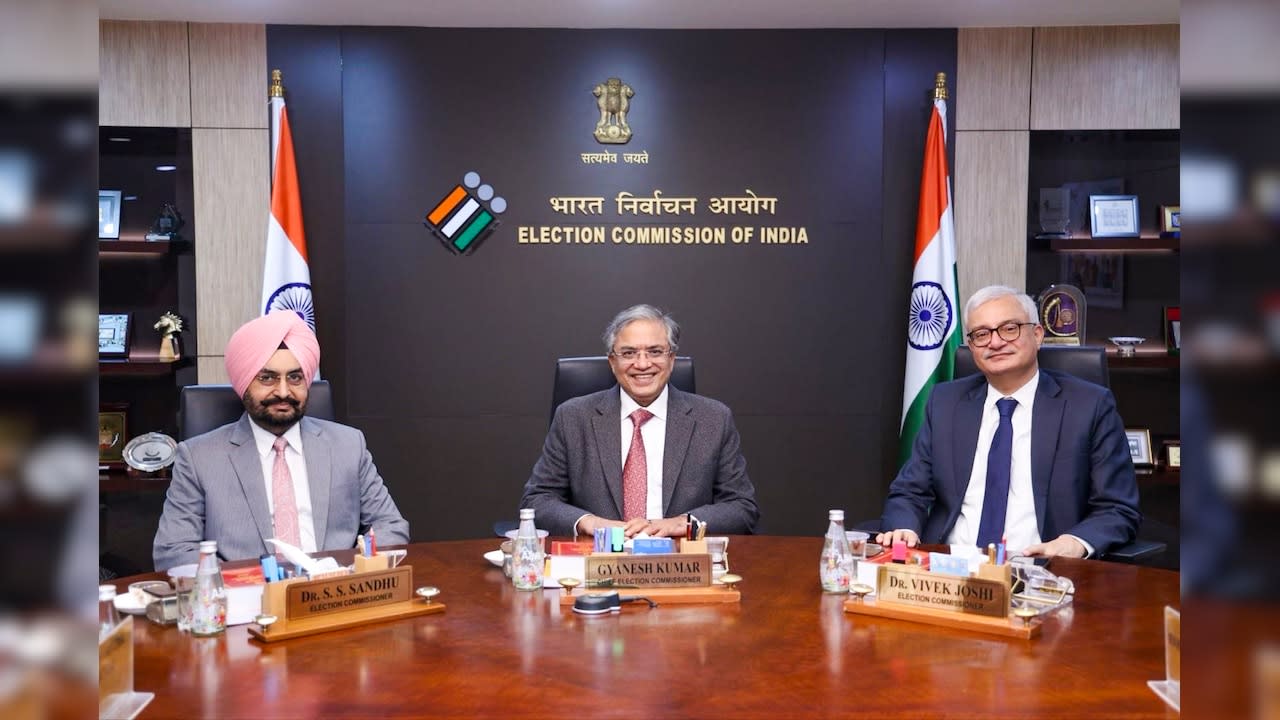
Opposition parties are setting aside internal differences to form a united front against the Chief Poll Officer. This collective action signals a significant escalation in political pressure regarding electoral governance.
A Unified Front: The Opposition's Strategic Pivot
The current political landscape has undergone a notable shift as opposition parties coalesce against the Chief Poll Officer. This development is particularly significant because it marks a temporary cessation of internal disputes that have historically hampered the opposition's ability to present a cohesive challenge. By aligning their focus on a singular institutional target, these disparate factions are attempting to amplify their influence and project an image of solidarity.
The Catalyst for Cooperation
What appears to be a mounting pressure campaign against the Chief Poll Officer has acted as a unifying catalyst. In the context of national governance, the impartiality and efficacy of electoral oversight bodies are paramount. When opposition groups feel that these standards are compromised, they often revert to collective bargaining to ensure the integrity of future electoral processes. This move suggests that the perceived grievances regarding the poll body have surpassed individual party interests.
Historical Context of Electoral Tensions
Historically, friction between opposition coalitions and regulatory bodies is a recurring theme in democratic systems. Whenever the independence of an election commission is questioned, it triggers a cascade of political maneuvering aimed at safeguarding democratic norms. The current situation reflects a classic pattern where systemic concerns over procedural fairness override the internal bickering that typically defines coalition politics.
Strategic Implications for Governance
This concerted action carries profound implications for the ongoing political discourse. By sealing internal rifts, the opposition is not only increasing its leverage against the Chief Poll Officer but also refining its ability to act as a unified watchdog. If this alliance holds, it could fundamentally alter the power dynamics in upcoming legislative sessions and public oversight committees.
Future Trends and Outlook
Looking ahead, the longevity of this unity will likely depend on the response from the Chief Poll Officer and the broader administration. Should the pressure yield tangible changes or concessions, the opposition may find a new blueprint for collaboration. Conversely, if the institution remains rigid, the coalition faces the risk of either intensifying its protest or fracturing once more under the weight of its own internal contradictions. The coming weeks will be critical in determining whether this unity is a fleeting tactical alliance or the precursor to a more permanent political realignment.
Verification Required?