Owaisi seeks to allay fears of electors who have received notices
Source Entity
India Latest News: Top National Headlines Today & Breaking News | The Hindu
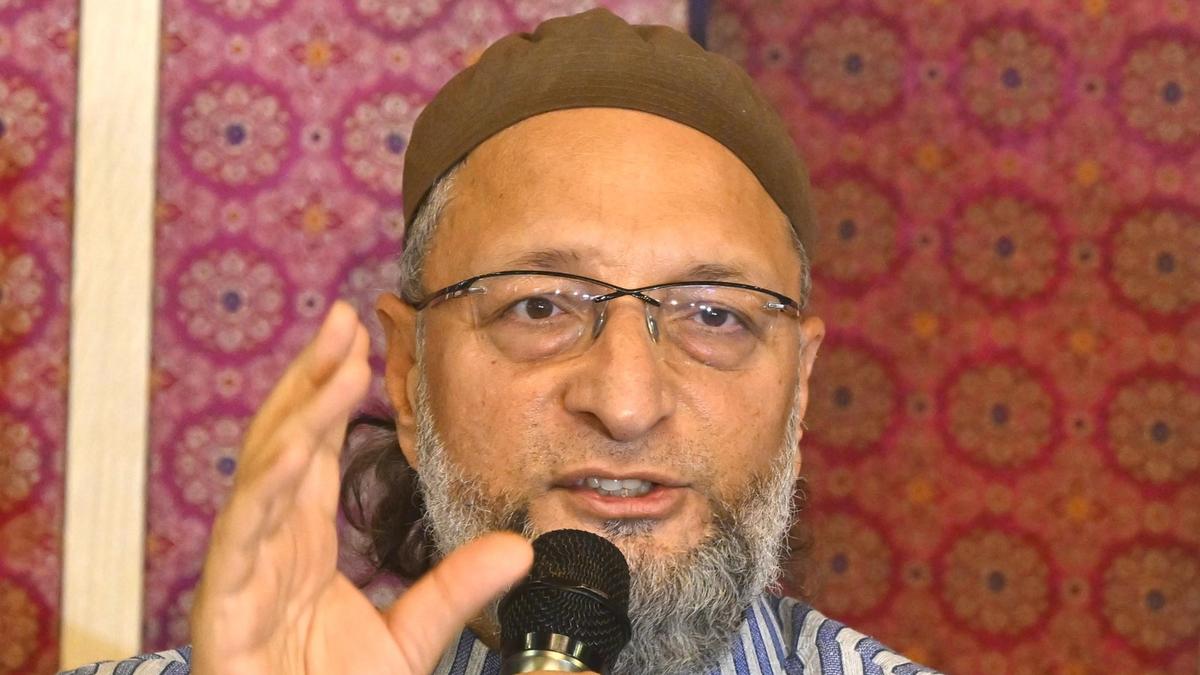
AIMIM president Asaduddin Owaisi has urged voters to resolve Special Intensive Revision (SIR) notice issues to protect their voting rights and citizenship status. The party is actively assisting citizens in navigating the documentation process to prevent exclusion from the electoral rolls.
Addressing Electoral Roll Concerns
All India Majlis-e-Ittehadul Muslimeen (AIMIM) president Asaduddin Owaisi has recently taken a proactive stance to address the anxieties of voters who have received Special Intensive Revision (SIR) anomaly notices. This intervention comes at a critical juncture in the electoral cycle, as the verification of voter rolls is essential for the integrity of democratic representation. Owaisi’s outreach is designed to guide constituents through the bureaucratic hurdles of the SIR process, ensuring that they do not inadvertently lose their constitutional right to vote due to administrative discrepancies.
The Importance of Due Process
The core of Owaisi’s advice focuses on the necessity of appearing before the Electoral Registration Officer (ERO) on the scheduled hearing dates. By emphasizing the importance of submitting verified documentation, he highlights that the SIR is not merely a formality but a significant administrative gatekeeper. The AIMIM leadership has underscored the need for electors to treat these notices with the utmost seriousness, as the bureaucratic process demands strict adherence to the list of designated documents to validate one's identity and residency.
The Stakes: Voting Rights and Citizenship
Beyond the immediate impact of losing one's vote, Owaisi has cautioned that exclusion from the final electoral roll, expected in October, carries deeper implications. He suggested that such an exclusion could leave an individual's citizenship status open to unnecessary scrutiny and suspicion. In the current political climate, where the intersection of electoral rolls and citizenship documentation is a highly sensitive topic, the fear that administrative errors could be misinterpreted as questions of national identity is a major concern for the electorate.
Party Support and Mobilization
To mitigate these risks, the AIMIM has been conducting a concerted effort for over two-and-a-half months to assist citizens in navigating the SIR. By positioning the party’s doors as open to those seeking guidance, Owaisi is attempting to streamline the verification process for the public. This mobilization effort reflects a broader trend of political parties acting as intermediaries between the state’s administrative mechanisms and the individual citizen to ensure maximum participation in the upcoming electoral process.
Broader Implications for Electoral Integrity
This situation highlights the ongoing challenges of maintaining accurate electoral rolls in a large and mobile population. The SIR process is designed to clean up data, but it often disproportionately affects marginalized communities who may lack the necessary paperwork or the understanding of how to contest a notice. Owaisi’s intervention serves as a reminder that electoral integrity relies not just on the state's administrative efficiency, but also on the public's ability to engage with and correct the system when errors occur.
Future Trends in Electoral Management
As election cycles become increasingly digitized and data-driven, the reliance on administrative audits like the SIR will likely grow. The trend suggests that political parties will continue to play a crucial role in civic education and administrative advocacy. Future electoral management must prioritize transparency and accessibility to ensure that the process of refining voter rolls does not inadvertently disenfranchise legitimate voters, a balance that remains a central point of contention in modern democratic governance.
Verification Required?