Owaisi demands further extension of SIR deadline
Source Entity
India Latest News: Top National Headlines Today & Breaking News | The Hindu
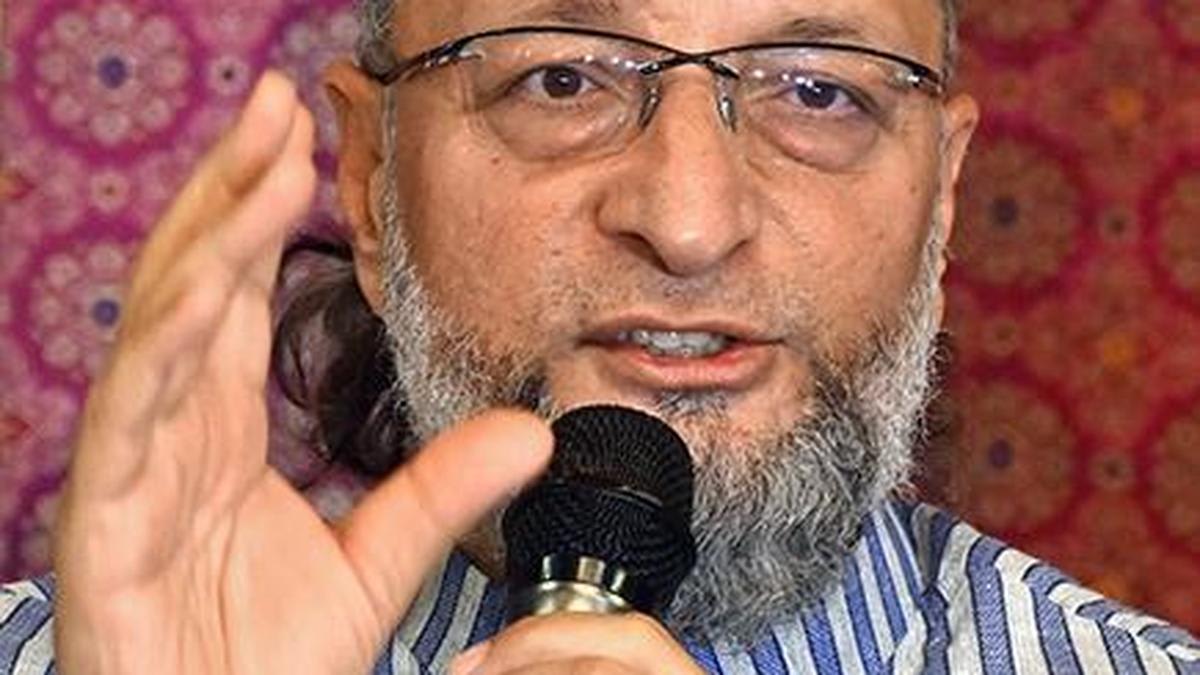
AIMIM President Asaduddin Owaisi has criticized the current Special Intensive Revision deadline extension, calling for an additional four weeks to resolve electoral roll anomalies. He highlighted significant errors in the Karwan constituency, including mislabeled deceased voters and incorrect relocation status updates.
Electoral Integrity Concerns in Hyderabad
All India Majlis-e-Ittehadul Muslimeen (AIMIM) President and Hyderabad MP Asaduddin Owaisi has voiced significant concerns regarding the Special Intensive Revision (SIR) process for electoral rolls. Following his visit to hearing venues in the Karwan Assembly constituency, Mr. Owaisi formally requested that the current extension of the SIR deadline to November 9 be further prolonged by an additional four weeks. He argues that the existing timeframe is insufficient to address the high volume of administrative errors and notice responses required to ensure a clean voter list.
The Scale of Anomalies
The data cited by Mr. Owaisi paints a concerning picture of the administrative burden currently facing the electorate in Karwan. According to his assessment, there are approximately 59,470 identified anomalies within the constituency, alongside 40,750 unmapped cases. The total volume of notices issued to residents stands at 100,223, a figure that underscores the logistical challenge of verifying voter data within a compressed timeline. Without a substantial extension, there is a risk that a significant portion of the electorate could be disenfranchised due to bureaucratic hurdles.
Discrepancies in Voter Verification
Beyond the sheer volume of cases, Mr. Owaisi highlighted qualitative failures in the data verification process. Specifically, he pointed to the categorization of voters as having "shifted" when, in reality, they remain at their original residences. Furthermore, the reports of voters being incorrectly classified as "deceased" while they are still alive raise serious questions about the accuracy of the database maintenance. Such errors, if left uncorrected, directly undermine the democratic process by potentially removing eligible voters from the rolls.
Broader Implications for Democracy
Ensuring the accuracy of electoral rolls is a cornerstone of democratic participation. When systems fail to correctly map voters or wrongly label them, it creates barriers to voting that can disproportionately affect vulnerable populations who may not have the resources or time to contest these notices. The demand for a four-week extension is not merely a procedural request but a plea to preserve the integrity of the electoral roll, ensuring that every eligible citizen retains their right to vote in upcoming cycles.
Future Trends and Administrative Accountability
Looking ahead, this situation highlights the urgent need for more robust and transparent mechanisms in voter data management. As electoral commissions move toward digital integration, the reliance on automated systems must be balanced with rigorous field verification. The issues identified in Karwan suggest that administrative oversight must be improved to prevent systemic errors. Moving forward, the Election Commission will likely face increased pressure to implement more thorough audit trails to ensure that the classification of voters as 'shifted' or 'deceased' is subjected to higher levels of human verification, thereby preventing the recurrence of these mass anomalies.
Verification Required?