Oxford University returns remains of 39 Naga people after more than a century
Source Entity
India Latest News: Top National Headlines Today & Breaking News | The Hindu
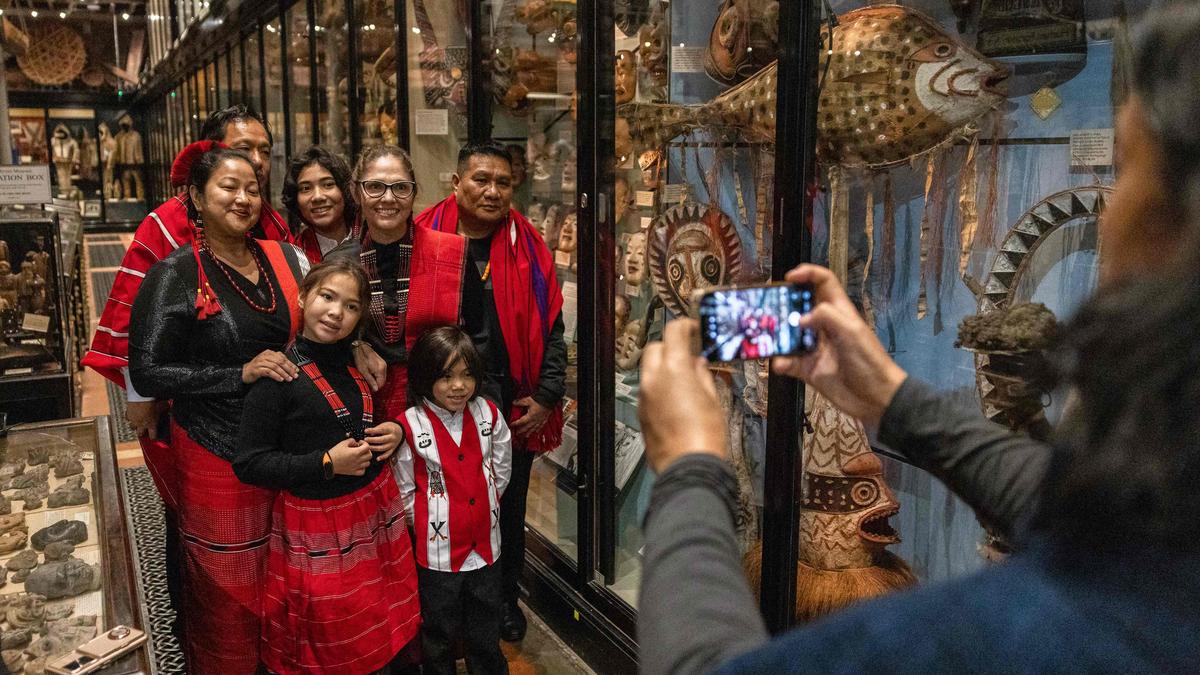
Oxford University has formally repatriated the ancestral remains of 39 Naga people to representatives from Nagaland. This historic handover follows years of advocacy and marks a significant step in addressing colonial-era museum practices.
A Historic Repatriation: Oxford Returns Naga Ancestral Remains
On November 9, 2026, a significant chapter in colonial history reached a symbolic conclusion as the University of Oxford formally returned the ancestral remains of 39 Naga individuals. These remains, which had been under the custodianship of the Pitt Rivers Museum for over a century, were transferred to the Forum for Naga Reconciliation (FNR) and the Naga Tribe Hoho in a solemn ceremony. This act of repatriation marks a profound shift in how academic institutions handle human remains acquired during the colonial era.
The Path to Repatriation
The journey toward this moment was long and necessitated delicate negotiations between the Naga leadership and the university administration. Since its establishment in 1884, the Pitt Rivers Museum became a repository for various Naga artifacts, including ancestral remains donated by collectors during the British colonial period. The formal transfer of title, signed by Pitt Rivers Museum Director Professor Laura Van Broekhoven and Rev. Dr. Wati Aier of the FNR, signifies an official recognition of the Naga people’s right to their ancestors.
Evolving Museum Ethics
This repatriation is not an isolated event but part of a broader movement within the museum sector to decolonize collections. A pivotal moment occurred in 2020, when the Pitt Rivers Museum took the progressive step of removing all human remains from public display. This decision signaled a move away from exhibition-based curation toward a more ethical, respectful approach regarding the provenance of human remains, ultimately paving the way for the physical return of the 39 Naga ancestors.
The Significance of the Handover
The ceremony, witnessed by representatives such as Visier Sanyu and Thejao Vihienuo, represents more than just a logistical transfer of items. For the Naga people, these remains are not merely ethnographic artifacts but ancestors whose return is essential for cultural healing and dignity. By formally relinquishing custodianship, Oxford University has acknowledged that ancestral remains held without the consent of the originating community require a process of restorative justice.
Broader Implications and Future Trends
This event is likely to set a precedent for other global institutions currently holding colonial-era human remains. As indigenous communities worldwide increasingly advocate for the return of their heritage, universities and museums are under growing pressure to audit their collections for items obtained through coercive or exploitative means. The successful repatriation to Nagaland serves as a blueprint for how academic institutions can engage in transparent, respectful dialogue with indigenous groups to rectify historical grievances.
Conclusion
Following the handover, the remains have begun their journey back to Nagaland, closing a century-long separation. This act of repatriation reflects a changing global consciousness regarding human rights and cultural heritage. By prioritizing the wishes of the Naga community, the University of Oxford has taken a vital step toward reconciling its colonial past with modern ethical standards, ensuring that the dignity of the Naga people is finally restored.
Multiple Citing Sources
Verification Required?