These painted e-tattoos could be the future of wearable biosensors
Source Entity
Jennifer Ouellette
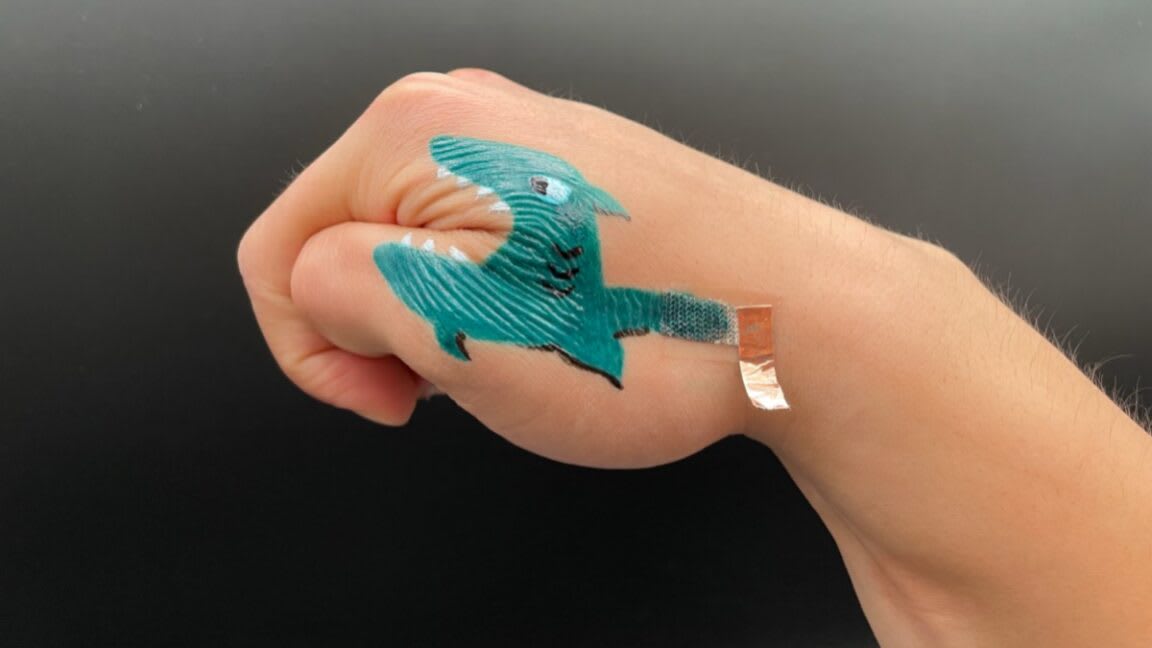
Innovators are developing conductive ink that can be painted directly onto the skin as colorful e-tattoos, creating flexible, wearable biosensors that monitor health data without the bulk of traditional devices.
The Dawn of Epidermal Electronics: Painted E-Tattoos
The landscape of health monitoring is undergoing a paradigm shift, moving away from rigid, wrist-worn devices toward seamless, epidermal integration. The emergence of painted e-tattoos represents a significant leap in wearable technology, where conductive ink is applied directly to the skin in custom designs. Unlike traditional wearables that rely on straps and sensors pressed against the skin, these e-tattoos dry into functional electrodes, effectively turning the human body into a platform for continuous, real-time biological data collection.
The Science of Conductive Ink and Electrode Formation
At the core of this innovation is the development of specialized conductive inks. These materials are engineered to maintain high electrical conductivity while remaining flexible and biocompatible. When painted onto the skin, the ink undergoes a drying process that transforms a liquid application into a stable, thin-film electrode. This process allows for the creation of complex circuit patterns that can conform to the natural contours of the body, ensuring a low-impedance interface between the skin and the sensor. This is critical for capturing high-fidelity signals from the body, such as electrical impulses from muscles or the heart, which are often obscured by the movement of traditional wearable straps.
Overcoming the Limitations of Conventional Wearables
Traditional wearable biosensors, while effective, often suffer from "motion artifacts"—noise created when a device shifts against the skin during physical activity. By utilizing a painted-on approach, e-tattoos eliminate this gap, providing a stable, conformal contact that significantly increases signal accuracy. Furthermore, the aesthetic appeal of "colorful custom designs" removes the medical stigma often associated with health monitoring devices. By blending medical utility with personal expression, this technology encourages higher patient compliance and a more proactive approach to personal health management.
Potential Clinical and Consumer Applications
The implications for healthcare are profound. These e-tattoos could be utilized for the continuous monitoring of vital signs, such as heart rate (ECG) and muscle activity (EMG), without requiring cumbersome wires. Beyond electrical signals, the framework of conductive ink could be expanded to monitor biochemical markers in sweat, such as glucose levels or lactate, providing a non-invasive alternative to blood draws for diabetic patients. In a clinical setting, this would allow doctors to monitor patients in their natural environments rather than relying on episodic snapshots taken during hospital visits.
Technical Challenges and Biocompatibility
Despite the promise, several hurdles remain before widespread adoption. The primary challenge lies in the longevity of the sensor; because the skin naturally exfoliates, these e-tattoos have a finite lifespan and must be reapplied. Additionally, researchers must ensure that the conductive inks are non-toxic and do not cause skin irritation over extended periods. There is also the challenge of data transmission—connecting these thin-film electrodes to a wireless transmitter (like a small adhesive patch) that can send data to a smartphone or cloud server without compromising the "invisible" nature of the tattoo.
The Future of Personalized Bio-Sensing
Looking forward, we can expect these e-tattoos to integrate with artificial intelligence to provide predictive health analytics. Instead of merely reporting a current heart rate, future iterations could analyze trends to predict an oncoming cardiac event or a spike in stress levels. We are moving toward an era of "invisible medicine," where the tools for diagnosis and monitoring are woven into the very fabric of our daily lives and our physical appearance, making healthcare a continuous background process rather than a series of disruptive appointments.
Summary
Painted e-tattoos mark a transition from "wearing" technology to "integrating" it. By utilizing conductive inks to create custom, skin-conformable electrodes, this technology promises higher data accuracy, improved patient comfort, and a revolutionary approach to non-invasive health monitoring that bridges the gap between medical necessity and personal style.