Watch: Trump's favourite Pakistani army chief got cold shoulder from Iran’s most powerful general
Source Entity
Latest News: Todays Latest News Headlines from India & World | Hindustan Times | Hindustan Times
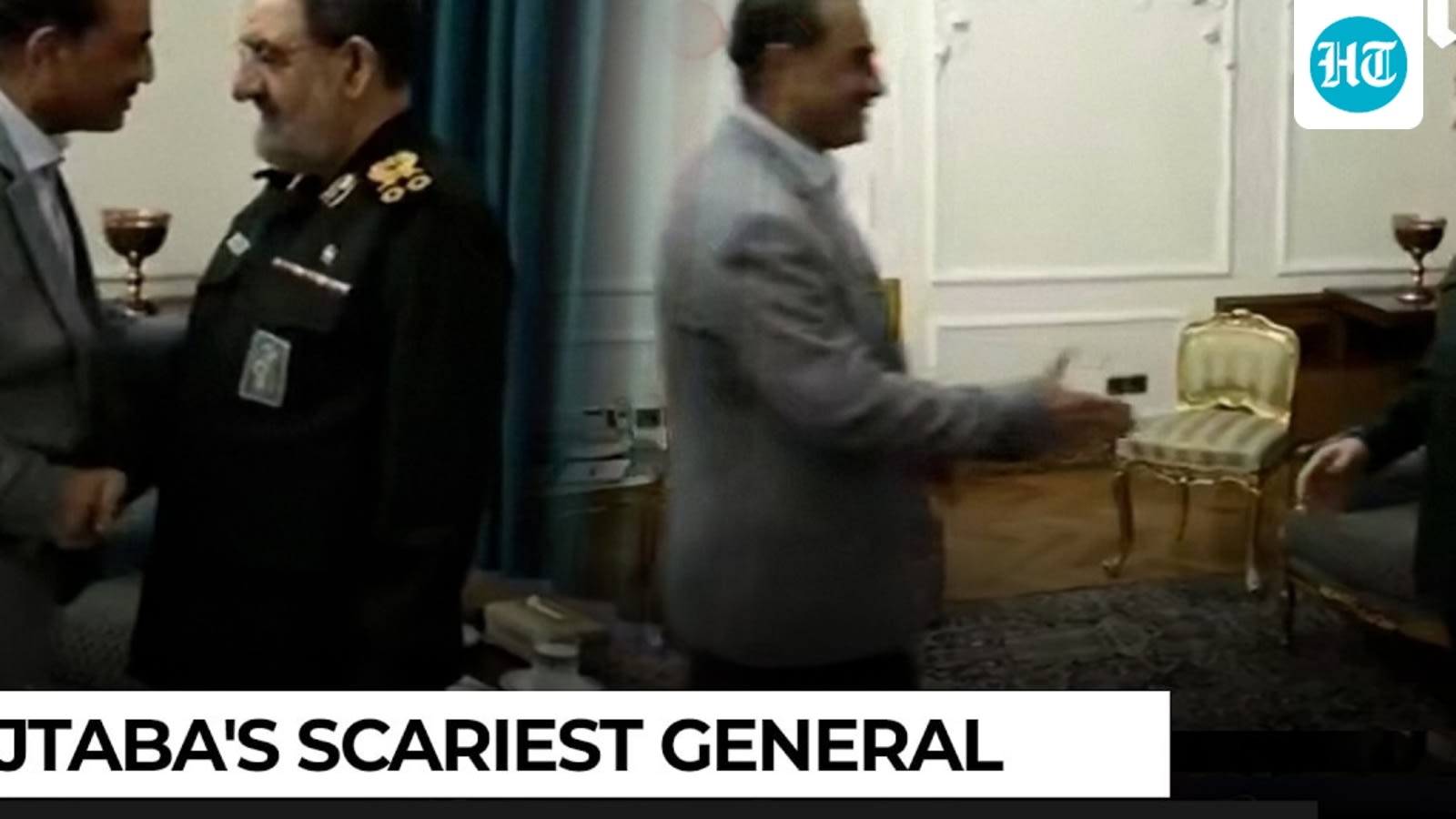
Pakistan Army Chief Asim Munir's recent visit to Tehran highlights the complex challenges in mediating U.S.-Iran relations. Despite a warm reception from President Pezeshkian, deep-seated tensions regarding Iran's nuclear program continue to impede diplomatic progress.
Diplomatic Complexity: Assessing Asim Munir’s Tehran Visit
Pakistan Army Chief Asim Munir’s recent diplomatic mission to Tehran serves as a focal point for the delicate balancing act Islamabad must perform between its historical ties with the United States and its strategic neighborhood interests. The visit, characterized by mixed signals from the Iranian leadership, underscores the difficulty of mediating between Washington and Tehran, two entities currently locked in a cycle of geopolitical distrust.
The Optics of Engagement
While President Masoud Pezeshkian offered a warm reception to General Munir, the visible contrast in the interaction with Iranian security official Mohsen Rezaei—described as formal and reserved—provides a nuanced view of the internal Iranian sentiment toward external mediation. These optics suggest that while Iran remains open to dialogue at the executive level, the security establishment remains skeptical, particularly regarding any deal that might involve the influence of Western-aligned intermediaries.
The Nuclear Impasse
At the core of these stalled diplomatic efforts is the intractable issue of Iran’s nuclear program. Washington’s persistent demands for strict limits on enrichment continue to clash with Tehran's national security doctrines. The refusal by Iranian officials to consider the transfer of even small quantities of enriched uranium signifies a hardening of positions, making the role of any mediator, including Pakistan, exceptionally precarious.
Historical Context and Regional Stability
Pakistan has long acted as a backchannel for U.S.-Iran communication, a role rooted in its unique position as a major non-NATO ally that shares a porous border with Iran. However, the current geopolitical climate, exacerbated by regional proxy conflicts and fluctuating U.S. domestic policy, has limited the effectiveness of this traditional role. The 'cold shoulder' from high-ranking security officials reflects a broader regional wariness of Western-backed peace initiatives.
Future Trends and Implications
Looking ahead, it is unlikely that Pakistan’s mediation will yield immediate breakthroughs unless there is a fundamental shift in the nuclear non-proliferation talks. Tehran’s current posture suggests a move toward regional autonomy, prioritizing security and economic integration with Eastern powers over rapprochement with the West. For Islamabad, the challenge will be to maintain its own security interests along the border without becoming collateral damage in the ongoing U.S.-Iran standoff.
Conclusion
The visit of General Asim Munir highlights that while diplomatic channels remain open, the fundamental disagreements regarding nuclear capabilities continue to outweigh the desire for renewed dialogue. As Iran continues to reject external conditions on its nuclear program, the prospect of a U.S.-Iran deal facilitated by regional partners remains dim, setting the stage for continued regional volatility.
Verification Required?