Iran Steps Up Attacks On US Targets As Trump Focuses On Midterm Polls
Source Entity
NDTV News Search Records Found 1000
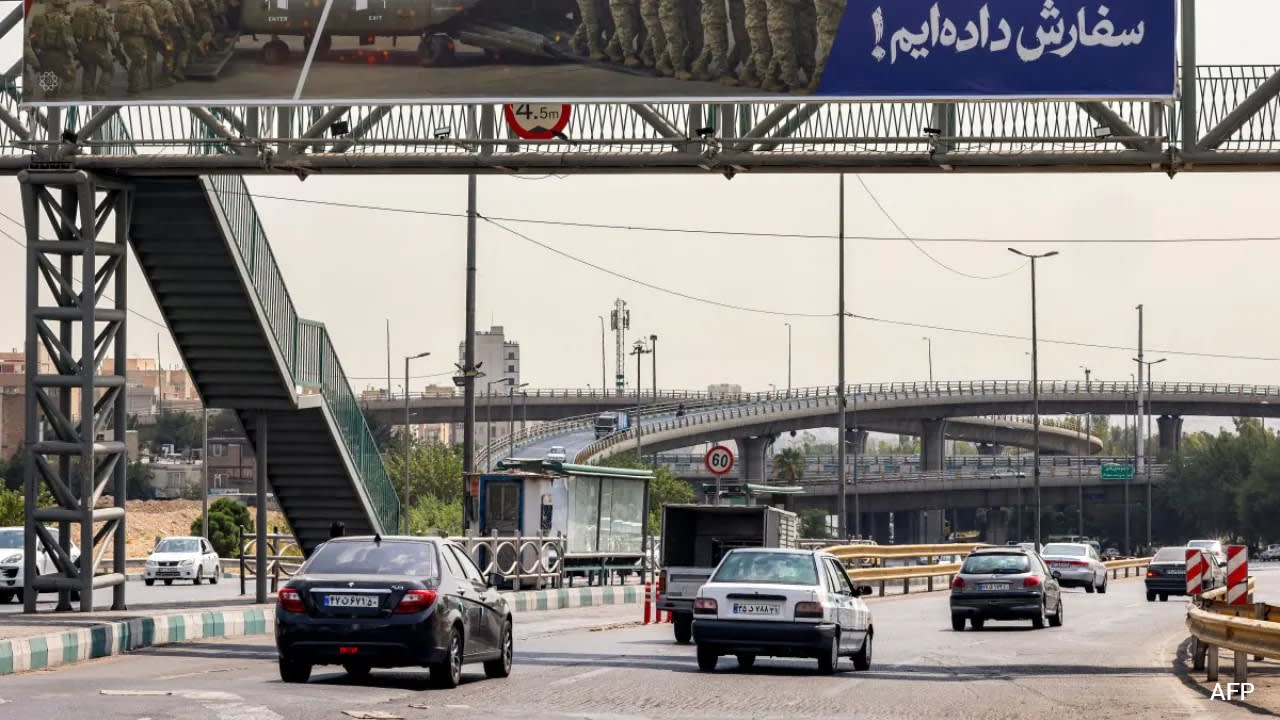
Iran has intensified attacks on U.S. interests while grappling with a severe economic crisis. Official data indicates that the nation is currently facing a staggering 88 percent inflation rate.
Escalating Tensions and Economic Volatility
The geopolitical landscape in the Middle East has entered a period of heightened volatility as Iran reportedly intensifies its tactical posture against United States targets. This escalation occurs against a backdrop of complex domestic pressures, where the Iranian state is contending with a profound economic crisis that has significantly constrained its policy options. The convergence of aggressive regional posturing and internal instability suggests a regime attempting to project strength externally while managing crumbling economic foundations at home.
The Economic Crisis: A Staggering Reality
At the heart of Iran's current domestic struggle is an unprecedented inflationary environment. According to official government figures, the nation is battling an inflation rate of approximately 88 percent. This level of hyper-inflation has eroded the purchasing power of the average citizen, devalued the national currency, and disrupted supply chains for essential goods. Such economic distress is rarely isolated; it often acts as a catalyst for social unrest and forces the state to re-evaluate its resource allocation between military endeavors and civilian welfare.
The Strategic Gamble
Observers suggest that the timing of these increased attacks on U.S. targets is not coincidental. By engaging in provocative actions during a period of intense political focus on U.S. midterm elections, Iran may be attempting to exploit the perceived distraction of American policymakers. This strategy, while risky, aims to test the resolve of the current administration, potentially seeking to influence regional security dynamics or leverage a stronger bargaining position despite the regime's weakened economic hand.
Historical and Regional Implications
Historically, Iran has utilized asymmetric warfare and proxy engagement to exert influence across the Middle East. However, the current economic climate complicates this long-standing approach. The 88 percent inflation rate indicates that the state’s ability to sustain prolonged military operations or subsidize proxy groups is under significant duress. The necessity to fund these operations while suppressing domestic discontent creates a fragile equilibrium that could lead to unpredictable policy shifts in the near future.
Future Trends and Outlook
Looking ahead, the relationship between Iran's economic trajectory and its foreign policy will remain the critical variable. If inflation continues to surge, the regime may be forced to either recalibrate its regional military ambitions or adopt more radical measures to secure economic relief. Conversely, if the attacks on U.S. targets fail to yield strategic gains, the internal pressure from the populace could intensify, further destabilizing the government's grip on power. Analysts will likely continue to monitor the intersection of these fiscal statistics and tactical military developments as a primary indicator of regional stability.
Verification Required?