How Arab parties could hold critical balance of power in Israeli election
Source Entity
BBC News
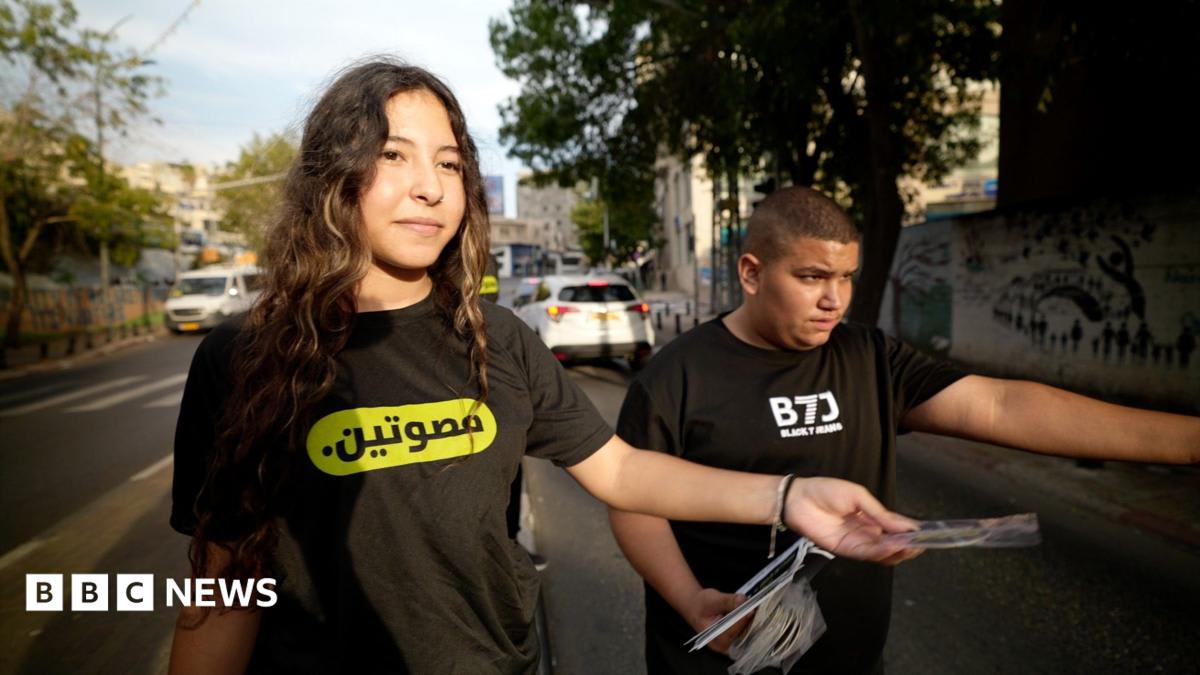
Arab Israeli communities are facing significant political and social marginalization following the October 7 attacks. This climate of tension is shaping voter sentiment as these groups navigate their potential role in shifting the Israeli governing coalition.
The Shifting Political Landscape for Arab Israelis
The political landscape for Arab citizens of Israel has undergone a profound transformation following the events of October 7. As the nation grapples with the ongoing war in Gaza, the Arab minority—which constitutes approximately 20% of the population—finds itself in an increasingly precarious position. Historically, Arab parties have sought to influence national policy through legislative participation, yet the current climate of heightened security concerns and political polarization has severely strained this engagement.
The Impact of Post-October 7 Social Climate
The narrative of exclusion has been underscored by reports from organizations like the Mossawa Centre. Suha Salman Mousa’s testimony highlights a pervasive feeling of being treated as "enemies of the state" rather than equal citizens. This sentiment is not merely anecdotal; it is reflected in documented instances of workplace dismissals, arrests, and a perceived shrinking space for freedom of speech. Such actions have created an environment of fear that historically tends to suppress voter turnout, as marginalized groups question the efficacy of participating in a system they feel is actively working against them.
Economic Disparities and Institutional Tension
Beyond social alienation, there is a tangible struggle over fiscal policy. Civil society leaders argue that the current government has engaged in systematic discrimination, citing disproportionate budget cuts to Arab municipalities. While the government frames these austerity measures as necessary reallocations to fund wartime defense and security, critics view them as a deliberate attempt to weaken Arab socioeconomic standing. This tension suggests that the upcoming electoral cycles will be heavily defined by debates over resource allocation and the fundamental definition of equality within the state.
Challenges in the Public and Medical Sectors
Perhaps most alarming is the reported erosion of professional protections for Arab citizens. The rise of politicized campaigns targeting Arab physicians in Israeli hospitals is particularly significant, as the medical sector has long been a rare site of coexistence and integration. When healthcare professionals are subjected to racially motivated attacks or institutional scrutiny based on their identity, it signals a deeper fragmentation of the social contract. This erosion of professional safety nets complicates the efforts of those advocating for a more unified political future.
Prospects for Political Mobilization
Despite the clear challenges, there remains a strong, underlying push among Arab communities to challenge the current right-wing governing coalition. The desire to re-establish a balance of power serves as a primary motivator for political mobilization. For Arab parties, the challenge lies in overcoming the apathy born of systemic discrimination while simultaneously navigating the hostile rhetoric of the current administration. The outcome of this struggle will likely determine whether Arab Israelis choose to lean into the electoral process as a means of protest or withdraw further into political insulation.
Conclusion: The Future of Representation
The path forward for Arab political representation in Israel is fraught with complexity. The interplay between security-driven policy and the rights of minority citizens will remain a central point of contention in future elections. If the current trajectory of exclusion continues, the resulting decline in democratic participation could have lasting consequences for Israel's internal stability and its claims to pluralistic governance.