Indian national among 2 killed in attack on Saudi Arabia's Dammam airport
Source Entity
AASTHA JHA
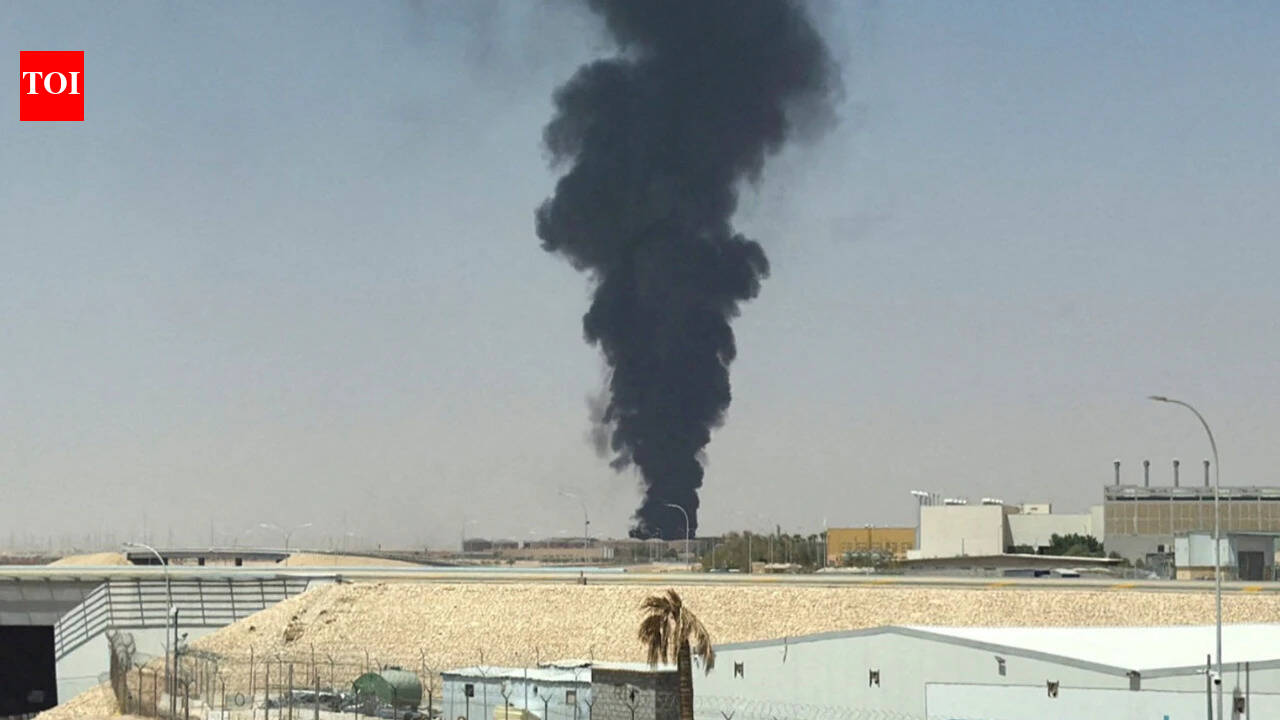
The US has ordered non-essential embassy staff and their families to evacuate Saudi Arabia and several regional neighbors following deadly Houthi-linked attacks. This directive comes as a recent strike on Dammam's King Fahd International Airport resulted in casualties and infrastructure damage.
Heightened Security Tensions in the Gulf
The decision by the United States Department of State to order the departure of non-emergency government personnel and their families from Saudi Arabia marks a significant escalation in regional security protocols. This directive, confirmed by State Department spokesman Tommy Pigott, reflects the growing instability within the Middle East as critical infrastructure, specifically aviation hubs, becomes a primary target for hostile actors.
The Dammam Airport Incident
On October 11, 2026, the security landscape shifted dramatically when an attack struck the King Fahd International Airport in Dammam. The Saudi Civil Aviation Authority reported that the incident resulted in one fatality and eight injuries, alongside significant material damage to the facility. The proximity of this airport to the Persian Gulf, and its strategic location near Bahrain and Qatar, underscores the vulnerability of international transit nodes to projectile and drone-based warfare.
Regional Containment and Evacuation
The scope of the US State Department's order extends beyond Saudi Arabia, encompassing families of embassy staff in the United Arab Emirates, Jordan, Qatar, and Bahrain. By mandating these departures, the US government is signaling a lack of confidence in the short-term security environment of these nations. This broad regional order is a direct response to the ongoing Middle East conflict, where Iran-backed Houthi rebels have intensified their campaign, often targeting Saudi airports with repeated projectile barrages.
Strategic Implications of Infrastructure Attacks
The targeting of King Fahd International Airport is particularly concerning for global logistics and regional stability. As Flightradar24 noted, the immediate diversion of aircraft signifies the disruption of critical civilian and commercial corridors. Historically, the Houthi movement has utilized drone and missile technology to pressure regional powers, but the recent uptick in successful strikes against airports suggests an evolution in their operational capabilities and a shift toward more impactful, high-visibility targets.
Future Outlook and Regional Stability
The confluence of diplomatic withdrawals and kinetic attacks on civilian infrastructure points toward a period of prolonged volatility. As the US recalibrates its physical footprint in the Gulf, the burden of defense falls heavily on Saudi and regional security forces to intercept incoming threats. The coming months will likely see increased reliance on advanced air defense systems and a potential re-evaluation of diplomatic strategies to mitigate the influence of Iran-backed proxies, who appear increasingly emboldened in their regional objectives.
Multiple Citing Sources