Iran claims it struck 4 oil ships in Persian Gulf, 3 others hit mines in Strait of Hormuz
Source Entity
Latest News: Todays Latest News Headlines from India & World | Hindustan Times | Hindustan Times
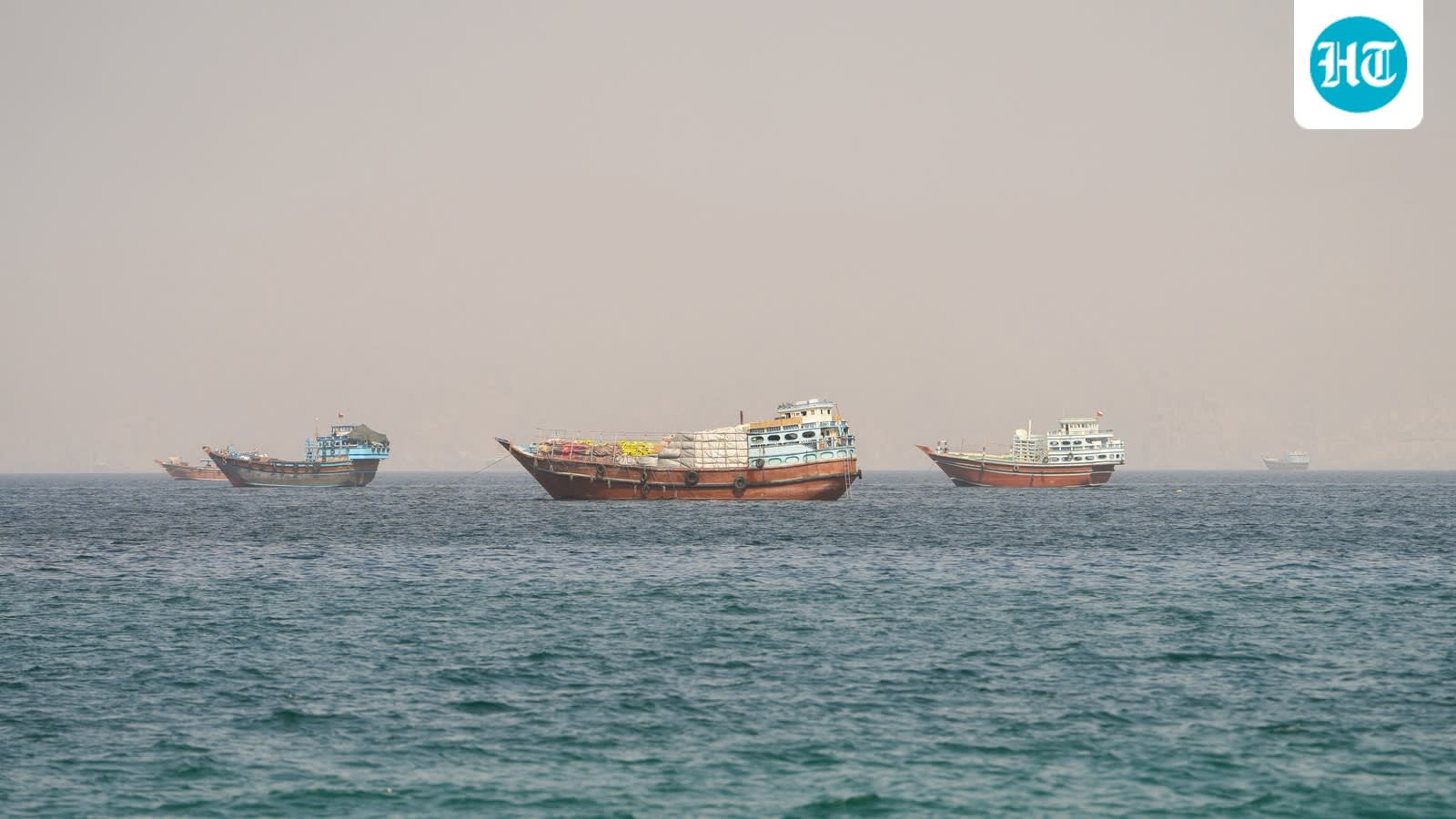
The IRGC has claimed responsibility for damaging seven oil tankers in the Strait of Hormuz, citing a mix of direct strikes and naval mine incidents. This escalation highlights severe regional instability and poses a direct threat to global energy security.
Escalation in the Strait of Hormuz
Recent reports indicate a significant escalation in maritime hostilities within the Strait of Hormuz, as the Islamic Revolutionary Guard Corps (IRGC) Navy has claimed that seven oil tankers were damaged overnight. According to the IRGC, four of these vessels caught fire while conducting oil transfers, while three others were immobilized after striking naval mines. This event represents a critical juncture in the ongoing regional tensions, marking potentially the largest single-day damage to commercial shipping in the area since the Iran-Iraq War.
The IRGC’s Stance and Accusations
The IRGC has utilized this incident to reiterate its dominance over the waterway, asserting that its personnel continue to manage and control the Strait with the support of the Iranian public. In its official statement, the force explicitly deflected blame toward the United States, accusing the "arrogant US regime" of inciting vessels to navigate through what it describes as an "illegally mined passage." By framing the presence of international shipping as an act of American provocation, the IRGC has sought to justify its aggressive posture as a defensive measure against external interference.
Strategic Implications for Global Energy
The Strait of Hormuz remains one of the world's most vital maritime chokepoints, through which a significant share of global oil supply must transit. The damage to seven tankers simultaneously creates immediate logistical chaos and threatens to spike global energy prices. If these reports are verified, the disruption to oil transport infrastructure underscores the vulnerability of international supply chains to localized military actions in the Persian Gulf.
Risk of Regional Conflict
Beyond the immediate maritime impact, the rhetoric accompanying these attacks signals a dangerous hardening of positions. Iranian authorities have issued explicit warnings, stating that they are prepared to target US bases should the situation escalate further. This threat transforms a maritime security issue into a broader geopolitical confrontation, raising the specter of direct military engagement between Iranian forces and US interests in the region.
Historical Context and Future Trends
The use of naval mines and direct targeting of tankers echoes tactics observed during previous periods of high tension in the Gulf. The current situation suggests that the IRGC is willing to utilize asymmetric warfare capabilities to exert pressure on international maritime traffic. Moving forward, the international community faces the challenge of maintaining freedom of navigation while navigating the risk of a wider conflagration. The lack of reported casualties provides a temporary reprieve, but the strategic damage to the stability of the Strait remains severe, necessitating urgent diplomatic efforts to prevent further incidents.
Verification Required?