Pak's Asim Munir Used A Private Oil Deal In Iran To Shield Saudi: Report
Source Entity
NDTV News Search Records Found 1000
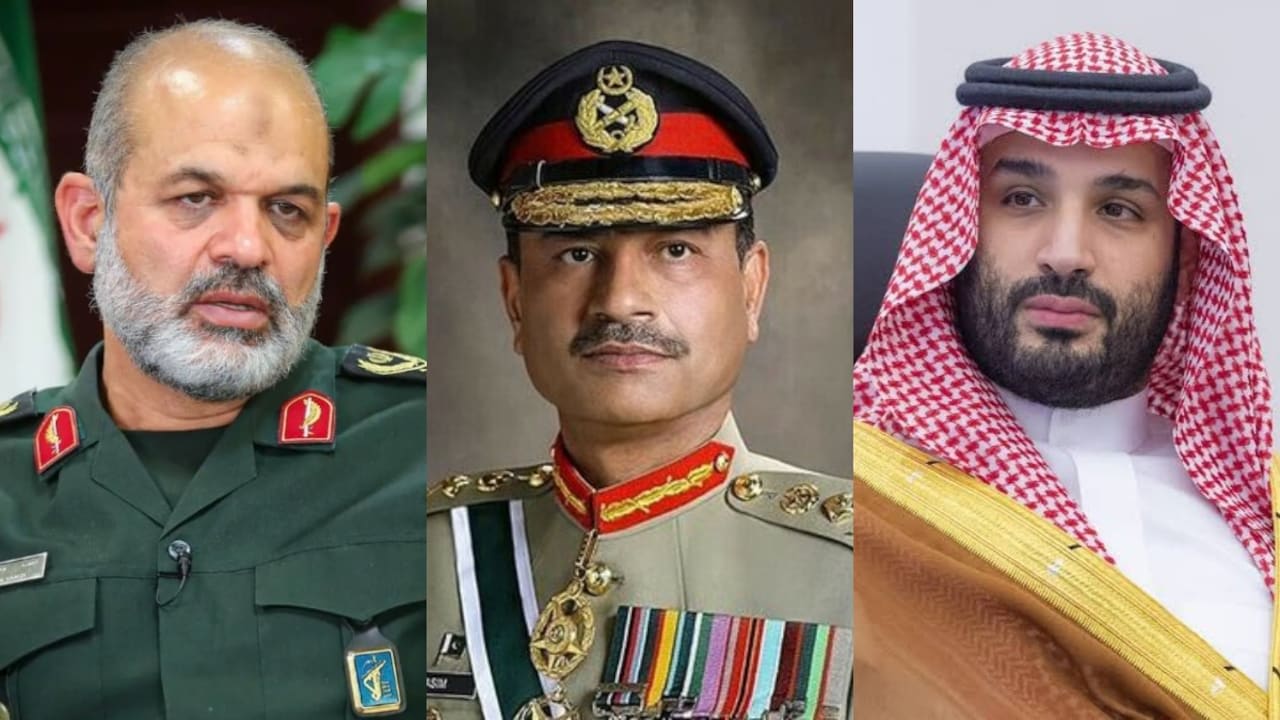
Pakistan’s Army Chief Asim Munir is reportedly leveraging a private oil deal with Iran to navigate regional tensions while protecting Saudi Arabian interests. This maneuver highlights Pakistan's complex role as a strategic mediator between Tehran and Washington.
The Geopolitical Balancing Act: Pakistan's Strategic Maneuvering
Recent reports indicate that Pakistan’s Army Chief, Asim Munir, has utilized a private oil agreement with Iran as a sophisticated diplomatic mechanism to shield Saudi Arabian interests. This development underscores the intricate web of alliances Pakistan manages, balancing its deep-seated security and economic partnership with Riyadh against the necessity of maintaining functional ties with its neighbor, Iran.
Mediating the Iran-U.S. Divide
Pakistan’s role as a mediator between Iran and the United States in the ongoing regional conflict is a testament to its unique position in global diplomacy. By facilitating communication channels, Islamabad attempts to prevent a wider escalation that would inevitably destabilize its own borders. The use of energy diplomacy—specifically oil deals—serves as a tangible leverage point, allowing Pakistan to engage Tehran in a manner that addresses immediate economic needs while mitigating political friction.
Protecting the Saudi-Pakistan Axis
Saudi Arabia remains a cornerstone of Pakistan’s foreign policy, providing critical financial support and energy security. The move by General Munir to use the Iranian oil deal to 'shield' Saudi interests suggests a preemptive strategy designed to ensure that Pakistan’s engagement with Iran does not alienate its most vital Gulf ally. This is a delicate high-wire act, necessitated by the reality that Pakistan cannot afford to lose the economic patronage of the House of Saud, nor can it afford a hostile frontier with Iran.
Historical Context and Regional Stability
Historically, Pakistan has often been caught in the crossfire of the Saudi-Iran rivalry. By positioning itself as a neutral intermediary, Islamabad seeks to transition from a passive victim of regional proxy wars to an active moderator. This shift is significant, as it reflects a desire to secure its own sovereignty and economic stability through proactive, multi-vector diplomacy.
Future Trends and Global Implications
Looking ahead, Pakistan’s ability to successfully juggle these competing interests will be a bellwether for its future influence in the Middle East and South Asia. If these private oil arrangements can effectively insulate Saudi interests while maintaining a dialogue with Iran, Pakistan may emerge as an essential 'back-channel' facilitator for the United States. However, the risk of miscalculation remains high; any perception of favoring one side could unravel the fragile consensus Pakistan has painstakingly built.
Conclusion
The situation surrounding General Asim Munir’s diplomatic efforts illustrates the complexity of modern statecraft. By utilizing energy deals as a strategic buffer, Pakistan is attempting to protect its national security while simultaneously providing a service to the global community by keeping lines of communication open between adversarial powers. Whether this strategy will yield long-term stability or prove to be a temporary fix remains a critical question for regional observers.
Verification Required?