Pakistan Imposes Emergency As Imran Khan Supporters March In Khyber Pakhtunkhwa
Source Entity
NDTV News Search Records Found 1000
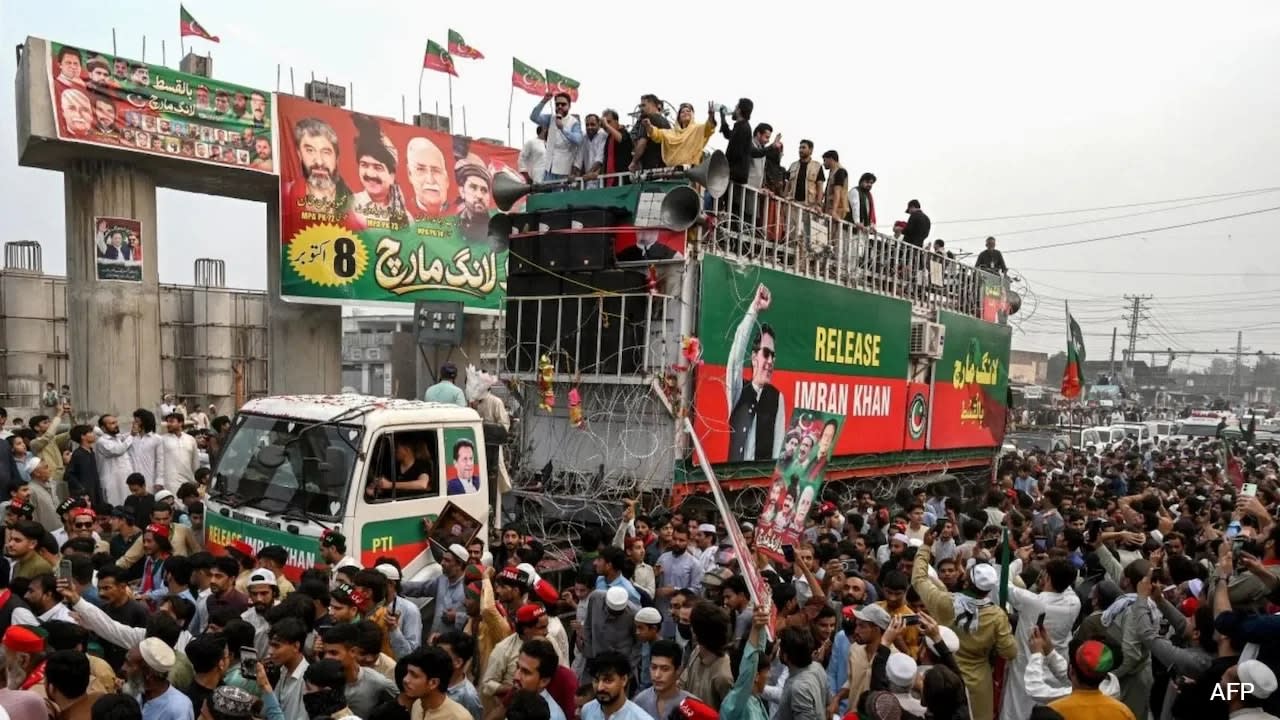
The Pakistani government has declared an emergency in Khyber Pakhtunkhwa, suspending the PTI-led provincial administration. The move follows escalating tensions and protests surrounding the imprisonment of former Prime Minister Imran Khan.
Constitutional Crisis in Pakistan: Khyber Pakhtunkhwa Under Emergency
The political landscape in Pakistan has reached a volatile tipping point as the federal government, led by Prime Minister Shehbaz Sharif, declared a state of emergency in the Khyber Pakhtunkhwa (KPK) province. This drastic measure, authorized by President Asif Ali Zardari under Articles 232(1) and 234(1) of the Constitution, effectively dissolves the provincial government currently controlled by the Pakistan Tehreek-e-Insaf (PTI). The federal intervention signals a deepening rift between the central administration and the supporters of jailed former Prime Minister Imran Khan.
The Catalyst: Khan’s Imprisonment and Civil Unrest
At the heart of this turmoil is the ongoing mobilization of PTI supporters aimed at pressuring the federal government to release Imran Khan. Khyber Pakhtunkhwa remains a critical stronghold for the PTI, and the party’s persistent protests have created a direct challenge to federal authority. The rhetoric from PTI leadership has grown increasingly confrontational, with explicit warnings of potential bloodshed if their demands remain unmet, a development that has clearly alarmed the central government.
Security Concerns and Constitutional Justification
While the political dimension is evident, the federal government has officially cited terrorism and a breakdown of law and order as the primary justifications for the emergency declaration. By invoking constitutional provisions that allow for the suspension of provincial powers, the administration is arguing that the local government has failed to maintain stability. This suspension strips the chief minister and provincial ministers of their authority, centralizing control under the federal government to address what it terms an existential threat to regional security.
Historical Context and Political Polarization
Pakistan has a long history of federal-provincial friction, but the current situation is exacerbated by the unique popularity of Imran Khan and his party in the KPK region. The use of emergency powers is a heavy-handed tool that historically carries significant political risk, often serving to further alienate provincial electorates. This move reflects a broader struggle for legitimacy, where the federal government views the PTI’s protest tactics as a threat to national stability, while the PTI views the government’s response as an undemocratic crackdown on political opposition.
Future Implications and Outlook
The suspension of the PTI government in its primary stronghold is likely to intensify the current impasse rather than resolve it. With the provincial administration dissolved, the risk of civil disobedience and violent clashes between PTI supporters and security forces grows significantly. As the nation watches, the effectiveness of this emergency declaration will be tested by the government's ability to quell unrest without further damaging the country's fragile democratic institutions. Future trends point toward a prolonged period of instability, as the conflict between the federal center and the PTI shows no signs of a negotiated resolution.
Verification Required?