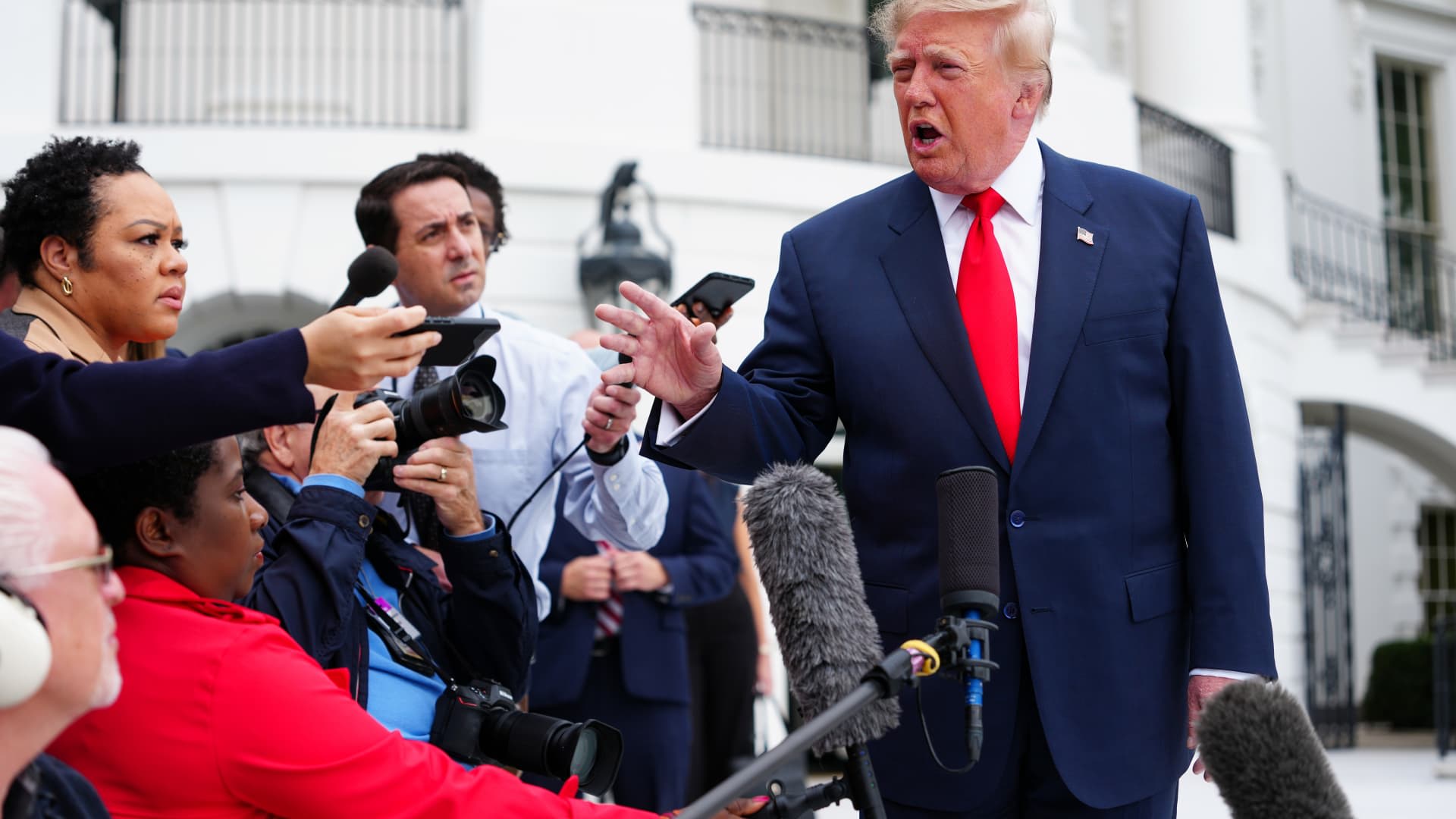
Trump says he is 'going to look at' joining Saudi Arabia in the fight against Iran-backed Houthis after deadly airport strike
Source Entity
US Top News and Analysis
King Khalid International Airport in Riyadh was struck by a missile attack, causing multiple injuries and the suspension of air traffic. The incident marks a significant escalation in regional tensions involving Yemen's Houthi rebels amidst the ongoing Iran-related conflict.
The Escalation of Hostilities at Riyadh’s King Khalid International Airport
On Saturday, the geopolitical volatility in the Middle East reached a critical inflection point as King Khalid International Airport in Riyadh was struck by a missile. This attack, which resulted in multiple injuries and necessitated a full-scale evacuation of the facility, represents a significant escalation in the ongoing regional conflict. With smoke and flames reported at the scene and emergency services, including over a dozen ambulances, mobilized to assist the wounded, the incident underscores the growing vulnerability of critical infrastructure to long-range projectile strikes.
Impact on Aviation and Regional Security
The immediate consequence of this assault was the total suspension of air traffic at the capital's primary aviation hub. Airlines have been forced to announce widespread flight cancellations, creating a ripple effect that disrupts both domestic and international travel. The severity of the situation prompted the United States and United Kingdom embassies to issue urgent security alerts to their citizens, advising heightened caution. This shift in the security landscape signals that the airport is no longer a peripheral target but a primary focus in the hostilities.
The Houthi Offensive and Regional Context
This strike is attributed to Yemen’s Iran-backed Houthi rebels, who have intensified their tactical focus on Saudi territory in recent days. The attack follows a period of heightened friction, occurring just two days after the deaths of three Saudi citizens—including a pilot—in separate violent incidents. This sequence of events suggests a broader, more aggressive strategy by the Houthis, who are increasingly engaging in direct confrontation with the kingdom as part of a wider regional struggle often characterized as an expanding Iran-linked war.
Structural Vulnerability and Diplomatic Fallout
The repeated targeting of King Khalid International Airport over the past week highlights a concerning trend in the Saudi-led coalition's defensive challenges. Despite the chaotic atmosphere and the suspension of operations, authorities have stated that two major Saudi conferences are currently slated to proceed, reflecting a desire by the kingdom to maintain an appearance of normalcy despite the escalating threat environment. However, the lack of an immediate statement from the Houthi leadership on Saturday leaves the strategic objectives of this specific strike open to interpretation.
Future Implications for Middle Eastern Stability
Looking ahead, the normalization of missile attacks on civilian infrastructure poses a dire threat to regional stability and international commerce. The persistence of these strikes necessitates a re-evaluation of current security protocols and missile defense capabilities within Saudi Arabia. As the situation remains fluid, the international community will likely watch closely to see if this incident triggers a shift in the diplomatic response from Western powers or a retaliatory posture from the Saudi-led coalition, potentially widening the scope of the regional conflict further.
Multiple Citing Sources