UK does not support Trump's Russia diesel deal, says Streeting
Source Entity
BBC News
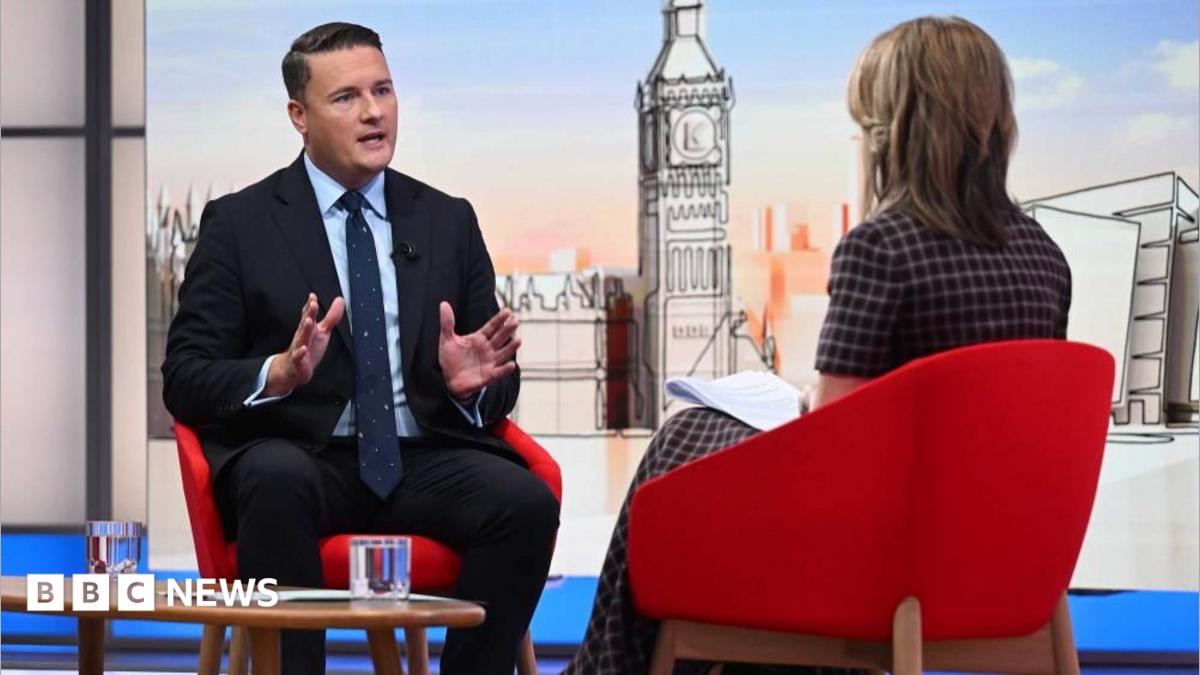
UK Defence Secretary Wes Streeting has publicly rejected Donald Trump's proposed diesel deal with Russia. The agreement, intended to lower US fuel costs, faces criticism for undermining international efforts to end the war in Ukraine.
The Geopolitical Fallout of the Proposed US-Russia Diesel Deal
A Diplomatic Rift Emerges
In a significant development for international relations, UK Defence Secretary Wes Streeting has formally expressed the British government’s opposition to a proposed diesel agreement between Donald Trump and Vladimir Putin. This rejection highlights a growing divergence between the UK’s commitment to isolating the Russian economy and the potential populist economic strategies being floated within the United States. By publicly distancing the UK from this deal, Streeting signals that London remains steadfast in its policy of exerting maximum pressure on the Kremlin.
The Economic Drivers of Policy
The proposed deal, which would facilitate the purchase of millions of tonnes of Russian diesel by the United States, is fundamentally rooted in domestic political pressure. As the US approaches its November elections, the incumbent administration—and political actors seeking office—are acutely aware of the sensitivity surrounding fuel prices. These costs have been further exacerbated by the broader regional instability involving the US, Israel, and Iran, which has sent shockwaves through global energy markets and created a difficult cost-of-living crisis for voters.
Undermining the Ukraine War Effort
Beyond the immediate economic impact, the primary concern voiced by the UK government is the strategic undermining of the ongoing war in Ukraine. President Volodymyr Zelensky has warned that such an agreement would provide Moscow with essential capital, effectively subsidizing the Russian military machine. By purchasing fuel from Russia, the US would risk reversing the efficacy of international sanctions, potentially providing the Kremlin with the financial resources necessary to sustain its conflict in Eastern Europe for a longer duration.
The Strategic Conflict of Interest
There is a fundamental tension between the immediate desire to lower domestic inflation and the long-term goal of securing Ukrainian sovereignty. Streeting’s argument rests on the premise that the US and its allies must maintain a unified front to force a conclusion to the war. If major Western powers begin to prioritize short-term energy relief at the expense of sanctions, the strategic architecture designed to isolate Russia’s economy will likely collapse, emboldening Moscow's geopolitical objectives.
Future Implications and Global Stability
Looking ahead, this disagreement suggests a potential shift in the transatlantic alliance. If the US moves forward with the diesel deal, it could create a significant rift within NATO and other democratic alliances that have largely operated under a consensus of economic isolation toward Russia. The long-term trend points toward a difficult balancing act: Western nations must reconcile their internal economic pressures with their stated foreign policy goals. Failure to do so could result in a fractured response to regional conflicts, ultimately lengthening the war in Ukraine and destabilizing the international order.