Pakistan says US-Iran near 'some sort of arrangement' on peace - What is happening in West Asia?
Source Entity
Latest News: Todays Latest News Headlines from India & World | Hindustan Times | Hindustan Times
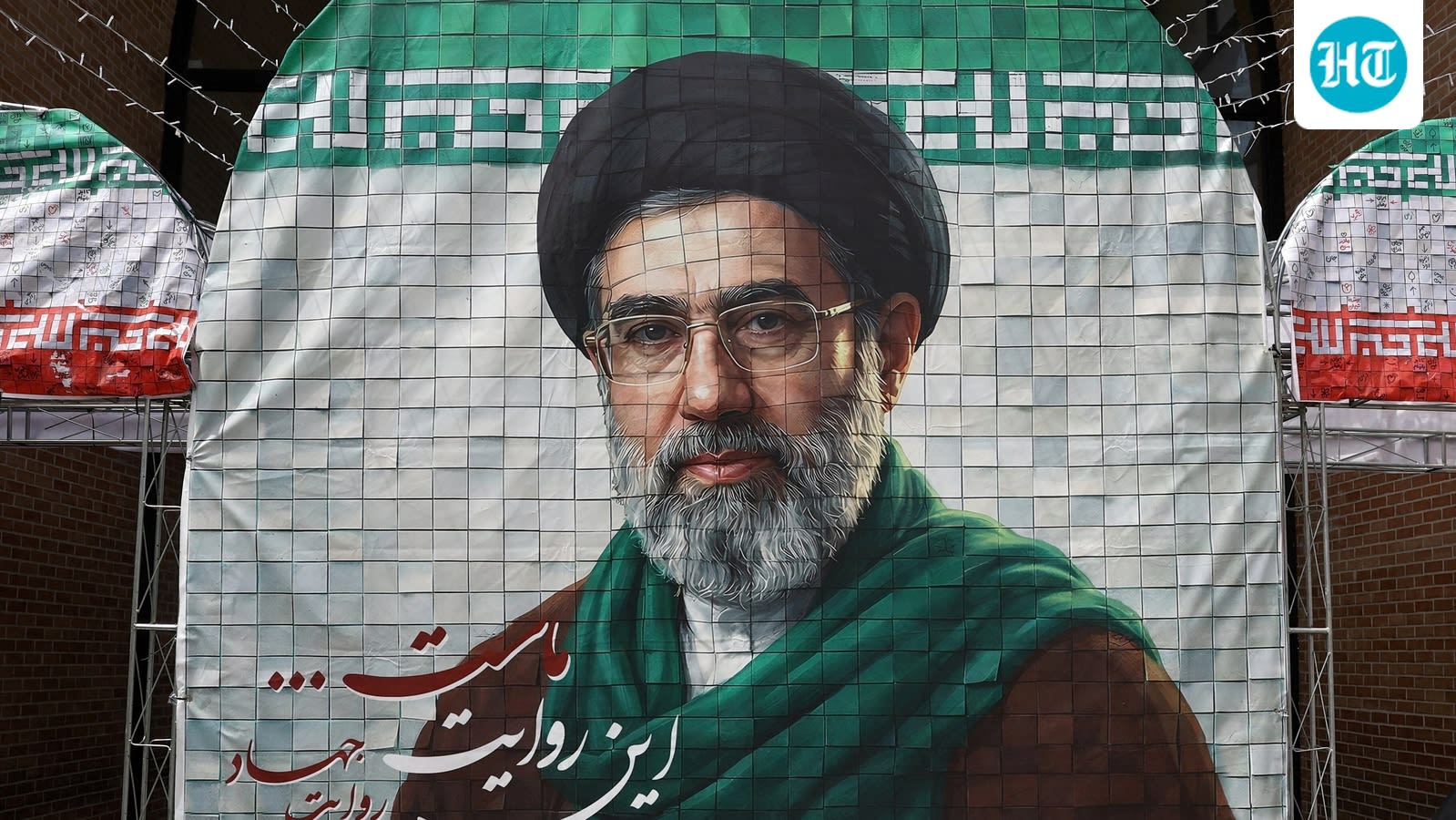
Pakistani Defense Minister Khawaja Asif suggests that the US and Iran are nearing a potential peace arrangement. Mediated by nations like Pakistan and Qatar, this development aims to stabilize West Asia and secure vital shipping routes.
Diplomatic Shifts: Assessing the US-Iran Peace Outlook
Recent statements from Pakistan’s Defense Minister, Khawaja Asif, have introduced a note of cautious optimism regarding the long-standing volatility between the United States and Iran. Speaking from Islamabad, Asif suggested that recent signals indicate both parties are moving toward "some sort of an arrangement." This development comes at a critical juncture for West Asia, where regional stability has been under constant pressure due to entrenched diplomatic hostilities.
The Role of Regional Mediators
Pakistan and Qatar have emerged as pivotal intermediaries in this complex geopolitical landscape. By leveraging their diplomatic channels, these nations are attempting to bridge the deep-seated mistrust that has defined US-Iran relations for decades. The involvement of such regional actors is significant, as it suggests that countries with proximity to the conflict are actively working to prevent further escalation and foster a framework for de-escalation.
Geopolitical Significance of the Strait of Hormuz
A primary driver for this potential thaw is the global concern surrounding the security of the Strait of Hormuz. As a vital chokepoint for global energy supplies, any disruption in this corridor has immediate and severe consequences for the global economy. Ensuring the safety of this passage is not merely a regional security issue but a global imperative, making the pursuit of a peace arrangement a priority for international stakeholders who rely on stable energy transit.
Challenges to Long-Term Stability
While the prospect of an arrangement is promising, the history of US-Iran relations is marked by cycles of attempted reconciliation followed by renewed tension. A permanent end to diplomatic unease remains a difficult goal, given the conflicting strategic interests of both nations. The current momentum, described by Asif as developing over the last few days, will need to overcome significant structural hurdles, including sanctions, proxy conflicts, and domestic political pressures in both Washington and Tehran.
Future Outlook and Regional Impact
If a tangible arrangement is reached, it could provide a much-needed cooling effect on West Asian tensions. The broader implications would extend beyond bilateral relations, potentially influencing regional security architectures and economic cooperation. As the world watches these negotiations, the focus remains on whether these "signals" can translate into a durable, verifiable agreement that addresses the core security concerns of all parties involved.
Conclusion
The statement from the Pakistani Defense Minister highlights a flickering light of diplomacy in a traditionally dark geopolitical theater. While it is too early to declare a comprehensive resolution, the active mediation efforts by Pakistan and Qatar demonstrate a collective regional desire to shift from conflict to stability. The path forward remains fragile, but any movement toward a diplomatic arrangement marks a necessary step in mitigating the risks posed by regional instability.
Verification Required?