'Islamic NATO' humiliates Pakistan like never before; Over 20,000 citizens kicked out of Middle East?
Source Entity
Latest News: Todays Latest News Headlines from India & World | Hindustan Times | Hindustan Times
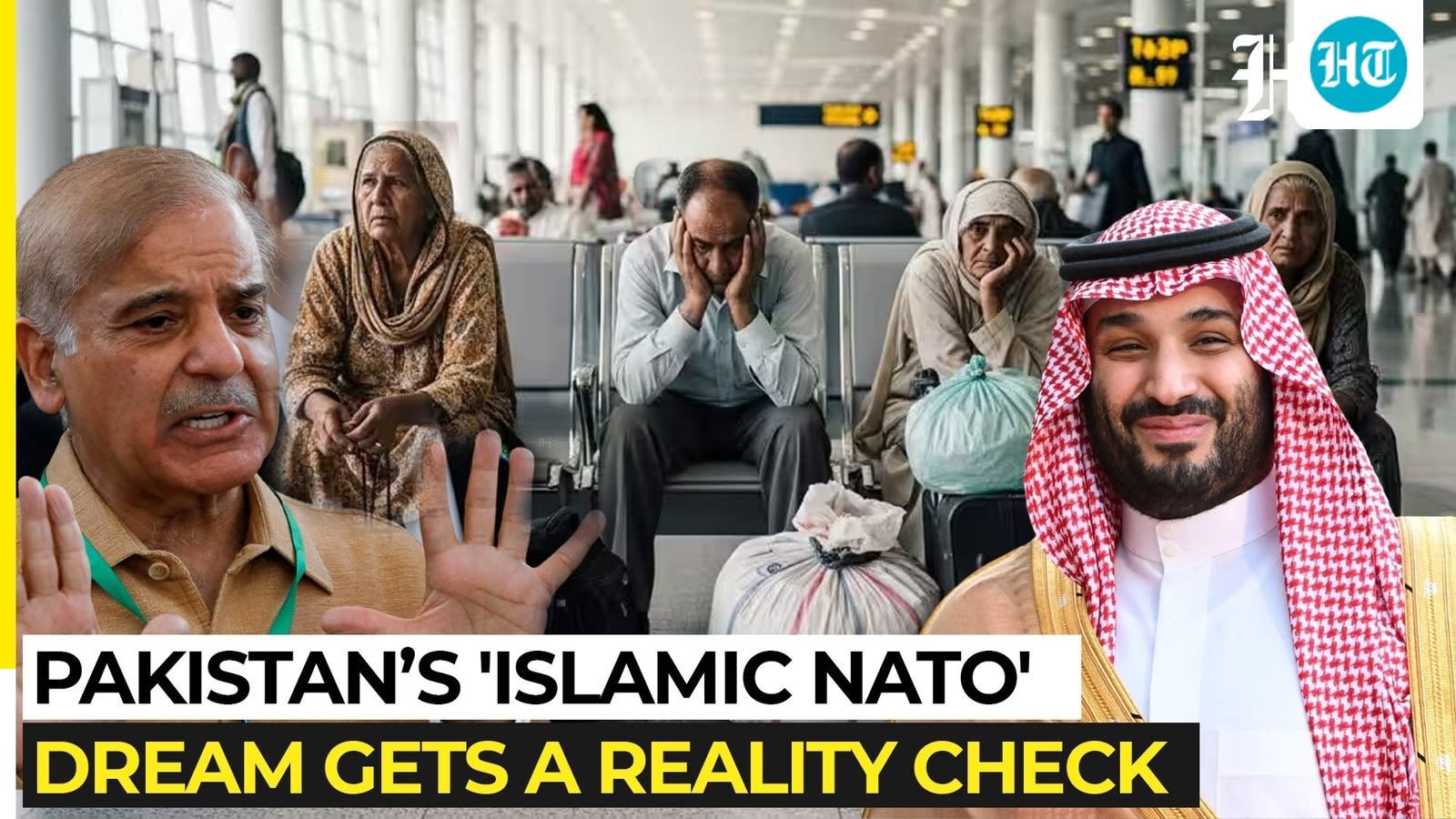
Over 20,000 Pakistani nationals were deported from six Gulf countries between March and July due to visa and security violations. This development highlights tightening immigration controls and shifting diplomatic pressures within the Gulf region.
The Recent Wave of Deportations: A Geopolitical Analysis
The recent disclosure to Pakistan’s National Assembly revealing that over 20,000 Pakistani nationals were deported from six Gulf nations between March 1 and July 13 marks a significant inflection point in regional labor and security dynamics. This mass expulsion, spanning a brief four-month window, underscores a hardening stance by Gulf Cooperation Council (GCC) member states regarding foreign labor regulations and national security protocols.
Drivers of the Expulsions
According to official reports, the primary catalysts for these deportations include a spectrum of infractions such as immigration and visa violations, instances of absconding, and various criminal offenses. Saudi Arabia, as the largest host of Pakistani expatriates, led the figures, followed closely by the UAE and Oman. The breadth of these justifications—ranging from administrative discrepancies to serious security concerns—suggests that Gulf authorities are conducting a more rigorous audit of their expatriate populations than in previous years.
The Impact of Regional Tensions
Notably, the data reveals that these deportations include individuals detained or expelled due to activities related to the Iran conflict, specifically concerning videos shared online. This indicates that Gulf states are increasingly sensitive to regional geopolitical volatility and are utilizing strict immigration enforcement to prevent the importation of external political tensions. The intersection of digital activity and physical residency status demonstrates the high-stakes environment for foreign workers in the region today.
Shifting Ties and Security Protocols
This development puts renewed focus on the diplomatic relationship between Pakistan and its Gulf partners. While these countries have historically relied on Pakistani labor for infrastructure and domestic services, the current trend suggests a prioritization of internal security over labor-dependent economic stability. The tightening of these controls reflects a broader regional trend where GCC nations are standardizing their legal frameworks to ensure tighter oversight of migrant communities.
Future Trends and Implications
As Gulf nations continue to modernize their economies under long-term development visions, it is likely that labor regulations will remain stringent. For Pakistan, this presents a significant socio-economic challenge, as remittances from the Gulf are a vital pillar of the national economy. Moving forward, both governments will need to navigate the balance between maintaining strong bilateral ties and enforcing the increasingly complex legal and security requirements demanded by Gulf authorities.
Verification Required?