Wreckage of Pan Am plane that shaped aviation safety found 74 years on
Source Entity
BBC News
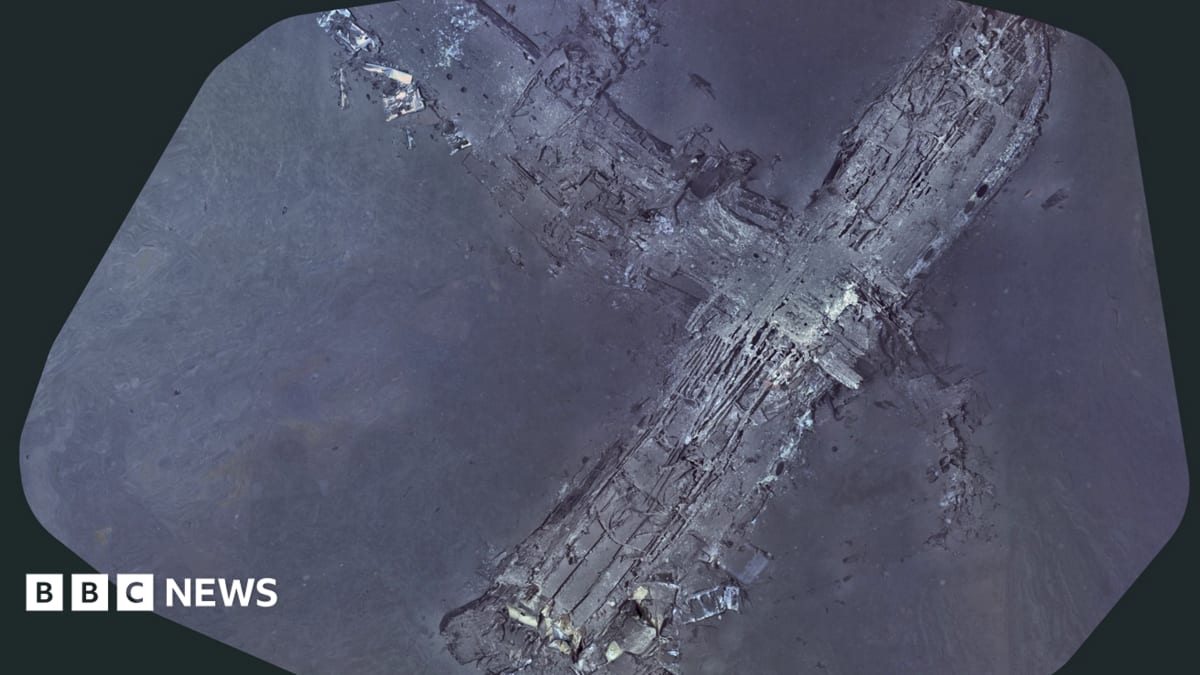
The wreckage of the 1952 Pan American Clipper Endeavor has been discovered off the coast of Puerto Rico. This historic crash resulted in 52 fatalities and directly catalyzed the implementation of modern mandatory pre-flight safety briefings.
The Discovery of the Clipper Endeavor
Seventy-four years after vanishing into the depths of the Atlantic Ocean, the wreckage of the Pan American Airways Clipper Endeavor has been located. Situated 2,000 feet below sea level off the coast of Puerto Rico, the discovery was made possible through the use of advanced sonar-equipped drone technology. This find provides closure to a tragic chapter in aviation history, marking the site where a commercial flight ended in disaster on April 11, 1952.
The Anatomy of the 1952 Tragedy
The Clipper Endeavor crashed following a catastrophic failure of multiple engines shortly after its take-off. While the initial impact with the water was survivable for all 69 passengers and crew, the subsequent evacuation proved fatal. As the aircraft rapidly submerged, the passengers were unable to locate critical emergency equipment, specifically life vests and rafts. This failure to access safety gear in the chaotic moments following the landing resulted in 52 deaths, leaving only 17 survivors.
Catalyst for Modern Aviation Safety
The high mortality rate of the Clipper Endeavor incident served as a stark wake-up call for the aviation industry in the post-war era. It exposed a critical gap in passenger readiness, as travelers were largely unaware of emergency protocols or the storage locations of safety equipment. Consequently, the disaster became the direct impetus for sweeping regulatory reforms, most notably the introduction of mandatory pre-flight safety briefings, which are now a universal standard on every commercial flight globally.
The Role of Technological Exploration
The successful location of the wreckage by the Air/Sea Heritage Foundation highlights the evolving capabilities of deep-sea exploration. By utilizing sophisticated sonar technology, researchers are now able to survey and document historical crash sites that were previously inaccessible or unknown. This expedition not only aids in the historical preservation of aviation records but also allows for a better understanding of the structural failures that plagued early commercial aircraft.
Legacy and Future Implications
The legacy of the Clipper Endeavor is felt every time a passenger fastens their seatbelt or listens to a flight attendant demonstrate emergency procedures. This discovery serves as a poignant reminder that modern aviation safety standards are often written in the aftermath of past tragedies. As we continue to advance aerospace technology, the recovery of this wreckage reinforces the importance of human-centric safety design—ensuring that passengers remain informed and capable of responding to emergencies even in the most dire circumstances.