MEA slams US court summons to Doval, RAW ex-chief Goel
Source Entity
RAJ SHEKHAR JHA
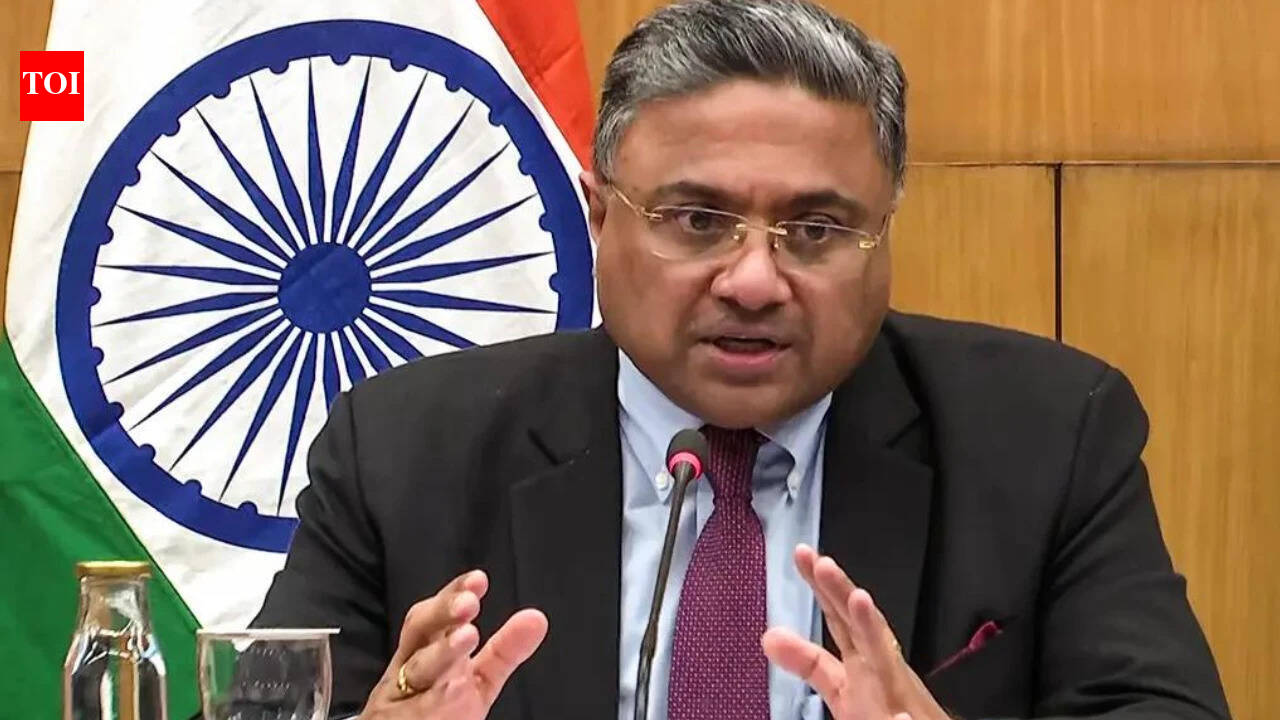
The U.S. State Department has formally served notice to the Indian government regarding a civil lawsuit filed by Gurpatwant Singh Pannun. India has categorically rejected the lawsuit as a malicious and fabricated attack while asserting that official judicial communications must follow established legal protocols.
The Diplomatic Escalation: Pannun Lawsuit Developments
The Formal Service of Notice
The recent move by the U.S. State Department to formally serve the Government of India with a civil lawsuit filed by Khalistan separatist Gurpatwant Singh Pannun marks a significant moment in bilateral relations. By delivering the documents through a diplomatic note to the Embassy of India in Washington, the U.S. has engaged in a procedural obligation, though it has explicitly clarified that this action does not constitute a stance on the merits of the case. The documentation, signed by John Ballard of the Directorate of Overseas Citizens Services, underscores the technical nature of this legal transmission.
India’s Firm Rebuttal
In response, the Indian Ministry of External Affairs has adopted a posture of firm rejection. Spokesperson Randhir Jaiswal labeled the lawsuit a "fabricated and malicious attack," emphasizing that India views the litigation as entirely frivolous. This reaction highlights a deep-seated frustration from the Indian government regarding the legal avenues being utilized by individuals designated as terrorists by Indian investigative agencies. New Delhi maintains that such actions are an affront to its sovereignty and its high-ranking officials.
Procedural Sovereignty and Diplomatic Immunity
A central point of contention in this legal standoff is the mechanism of service. India has asserted that any judicial documents intended for the Indian government must be routed through its designated central authority—the Ministry of Law and Justice. By bypassing this channel, the Indian side argues that the process is flawed. Furthermore, reports indicate that India has formally raised the issue of diplomatic immunity for its officials, including National Security Advisor Ajit Doval, suggesting that the lawsuit infringes upon standard international diplomatic protections.
Historical Context of the Conflict
Gurpatwant Singh Pannun, a figure central to the Khalistan separatist movement, remains a highly controversial individual who is currently wanted by Indian agencies on multiple terrorism-related charges. The lawsuit, which alleges an assassination plot against him, is viewed by Indian authorities as part of a broader, coordinated campaign to malign the state. This legal battle exists against the backdrop of long-standing tensions between India and separatist elements operating from foreign soil, which have historically strained diplomatic ties.
Broader Geopolitical Implications
This development poses a complex challenge for U.S.-India relations, which have otherwise seen significant strengthening in defense, technology, and strategic sectors. The U.S. government is currently navigating a delicate balance: adhering to its domestic legal requirements to process the lawsuit while attempting to maintain the integrity of its partnership with a key Indo-Pacific ally. As this case progresses, the challenge will be to ensure that legal processes do not derail the overarching strategic cooperation between the two nations.
Future Outlook and Legal Trends
Looking ahead, it is likely that India will continue to press the U.S. authorities on the "frivolous" nature of the claims. The reliance on diplomatic immunity as a defense strategy signals that India intends to treat this not merely as a civil case, but as a matter of state-level diplomatic protocol. Future developments will likely focus on whether the U.S. courts will entertain the merits of the case or if procedural objections regarding service and immunity will lead to an early dismissal.