Betrayal of faith: Pappu Yadav slams Govt over temple donation ‘theft’
Source Entity
Asad Rehman
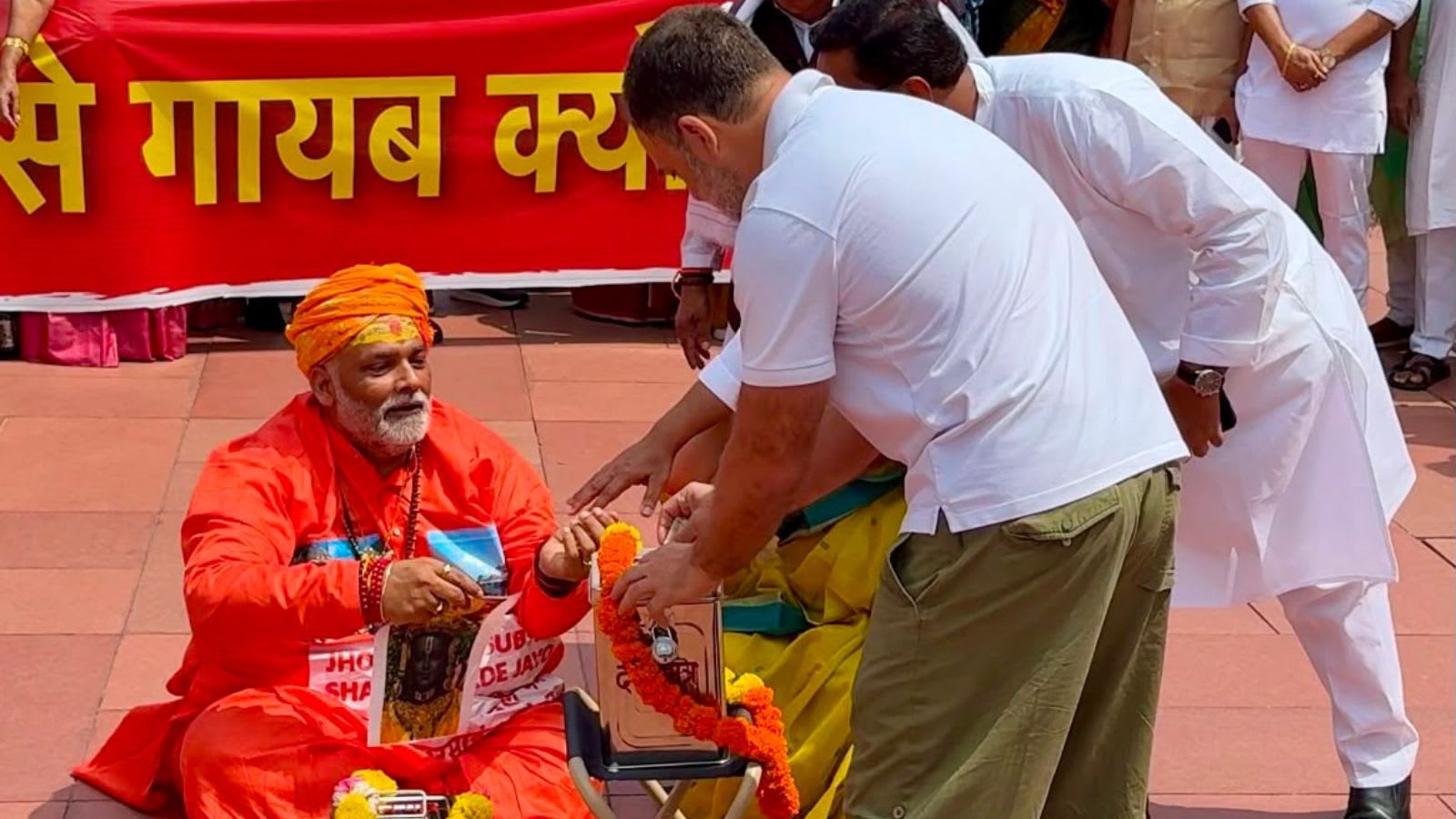
Independent MP Rajesh Ranjan, known as Pappu Yadav, performed a protest skit at Parliament criticizing the government over alleged thefts and mismanagement of Ram Temple donations. He questioned the accountability of the temple committee and the role of its RSS-affiliated treasurer.
Protest in Parliament: The Controversy Over Ram Temple Donations
Independent Member of Parliament (MP) Rajesh Ranjan, popularly known as Pappu Yadav, recently staged a unique form of protest on the premises of the Indian Parliament. By performing a skit focusing on the alleged “theft” of donations intended for the Ram Temple, Ranjan brought a contentious issue directly to the heart of the national legislative body. This act of performative politics serves as a critique of the oversight mechanisms governing religious trusts in India.
The Allegation of Betrayal
Ranjan’s protest centers on the core accusation that there has been a systematic “toying with the faith” of the followers of Sanatan Dharma. He argues that the dignity of Lord Ram has been compromised by incidents of financial impropriety occurring at various temple sites. By characterizing these events as a “betrayal” of the trust reposed by millions of devotees, the MP has positioned himself as a vocal challenger to the current administrative handling of religious contributions.
Questioning Accountability and Committee Oversight
A critical aspect of Ranjan’s inquiry involves the accountability of the committee tasked with managing the Ram Temple’s funds. The MP specifically highlighted the role of the temple committee’s treasurer, questioning why no arrests have been made despite the alleged irregularities. His demand for institutional transparency underscores a broader concern regarding how high-profile religious trusts are audited and held responsible for the massive inflows of public donations.
Political Implications and RSS Associations
The narrative takes on a significant political dimension through Ranjan’s specific focus on the treasurer’s alleged association with the Rashtriya Swayamsevak Sangh (RSS). By linking the financial management of the temple to the RSS, the MP is attempting to force a debate on whether political proximity grants immunity from standard financial scrutiny. This line of questioning is indicative of a strategy to challenge the government's moral and administrative authority on issues deeply tied to national sentiment.
The Future of Religious Trust Governance
This incident highlights the growing tension between political oversight and the management of religious institutions. As these temples command vast financial resources, the pressure for rigorous, independent auditing is likely to increase. Ranjan’s protest sets a precedent for how opposition figures may utilize non-traditional parliamentary methods to demand answers regarding the intersection of religious funding, political affiliation, and institutional integrity.
Conclusion
In summary, Rajesh Ranjan’s parliamentary skit serves as a bold challenge to the status quo regarding the administration of the Ram Temple’s donations. By emphasizing the betrayal of public faith and demanding accountability for committee members, the MP has ignited a discussion on the necessity of transparency in religious trusts. Whether this leads to formal investigations or remains a symbolic protest, it underscores the intense scrutiny that major religious projects face in the current Indian political climate.