PM Modi says won’t spare any paper mafia after Parliament clears tougher anti-paper leak Bill
Source Entity
Express Web Desk
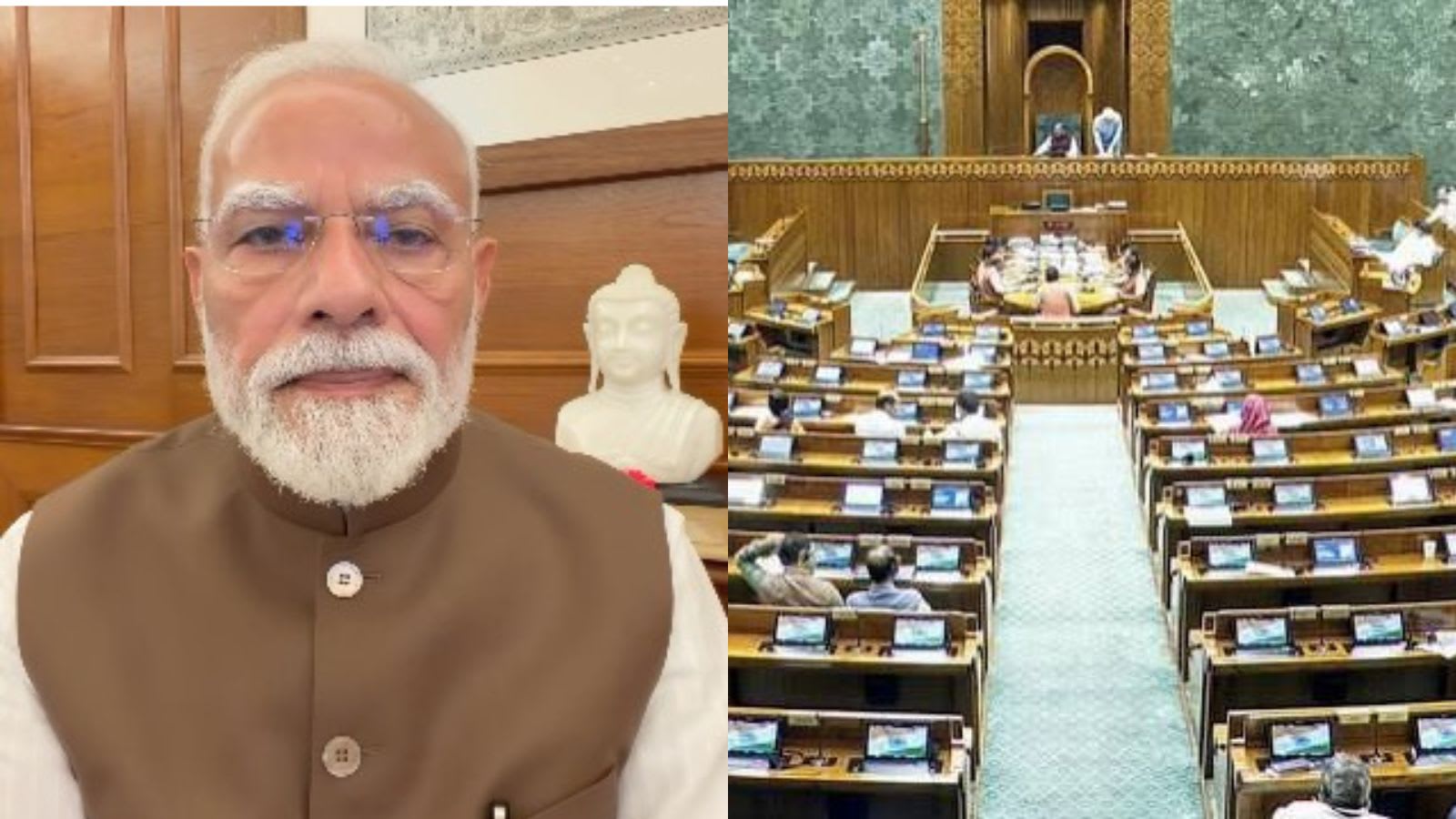
Parliament has passed the Public Examinations (Prevention of Unfair Means) Amendment Bill, 2026, to combat paper leaks. The legislation introduces strict penalties, including a minimum seven-year sentence for organized crimes, despite opposition protests.
Legislative Milestone: The Anti-Paper Leak Bill
The passage of the Public Examinations (Prevention of Unfair Means) Amendment Bill, 2026, marks a significant shift in India’s regulatory landscape regarding recruitment and entrance examinations. Following its clearance in the Lok Sabha, the Rajya Sabha’s approval on Thursday solidifies the government's intent to curb the recurring issue of examination malpractice. This legislative move comes as a response to widespread concerns regarding the integrity of public exams and the protection of student interests.
Defining the Legal Deterrent
Central to this new legislation is the imposition of severe consequences for those engaged in examination fraud. The bill specifically targets 'paper mafias' and organized crime syndicates that facilitate leaks. By proposing a minimum sentence of seven years for organized crimes, the government has signaled a zero-tolerance approach, aiming to create a significant psychological and legal deterrent against those who compromise the sanctity of competitive testing.
Political Friction and Parliamentary Debate
Despite the bill's passage, the proceedings were characterized by intense political friction. The Leader of the Opposition, Mallikarjun Kharge, utilized the floor of the Rajya Sabha to demand the resignation of Home Minister Amit Shah, criticizing the government’s past handling of paper leak issues. His remarks—highlighting the disparity between the success of perpetrators and the plight of hardworking students—underscore the deep-seated political divide regarding the timing and efficacy of this legislation.
The Government’s Stance and PM Modi’s Commitment
Union Minister Jitendra Singh, who moved the Bill, maintained that the amendments are a direct reflection of the government’s commitment to educational transparency. Prime Minister Narendra Modi further emphasized this, stating in a video message that his administration would not spare any 'paper mafia.' By framing the bill as a milestone for youth protection, the government is positioning this law as a cornerstone of its efforts to restore faith in public recruitment systems.
Broader Implications for Youth and Education
The implications of this bill extend far beyond the floor of Parliament. For the millions of students who invest years in preparation, the threat of paper leaks has historically been a source of immense anxiety and lost opportunity. By formalizing a tougher legal framework, the state aims to institutionalize transparency. However, the effectiveness of this law will ultimately depend on its implementation and the government's ability to dismantle the systemic networks that have historically exploited loopholes in the examination process.
Future Outlook and Conclusion
As the bill moves from the legislative phase to active enforcement, the challenge will lie in balancing the prosecution of organized crime with the logistical realities of securing vast examination infrastructures. The opposition’s walkout and vocal criticism suggest that while the law is passed, the debate over accountability and past failures will continue to simmer. For now, the 2026 Amendment represents a decisive effort to protect the future of the nation's youth from those who seek to profit from the subversion of meritocracy.
Multiple Citing Sources